Fish or flax?
That’s the question researchers from the University of Guelph have been trying to answer when looking at the cancer-prevention qualities of various sources of omega-3 fatty acids.
David Ma, a professor in the university’s department of human health and nutritional sciences, says so far fish is coming out on top. His work has shown the marine-based sources are eight times better at inhibiting tumour development and growth.
“This study is the first to compare the cancer-fighting potency of plant- versus marine-derived omega-3s on breast tumour development,” Ma said.
Read Also
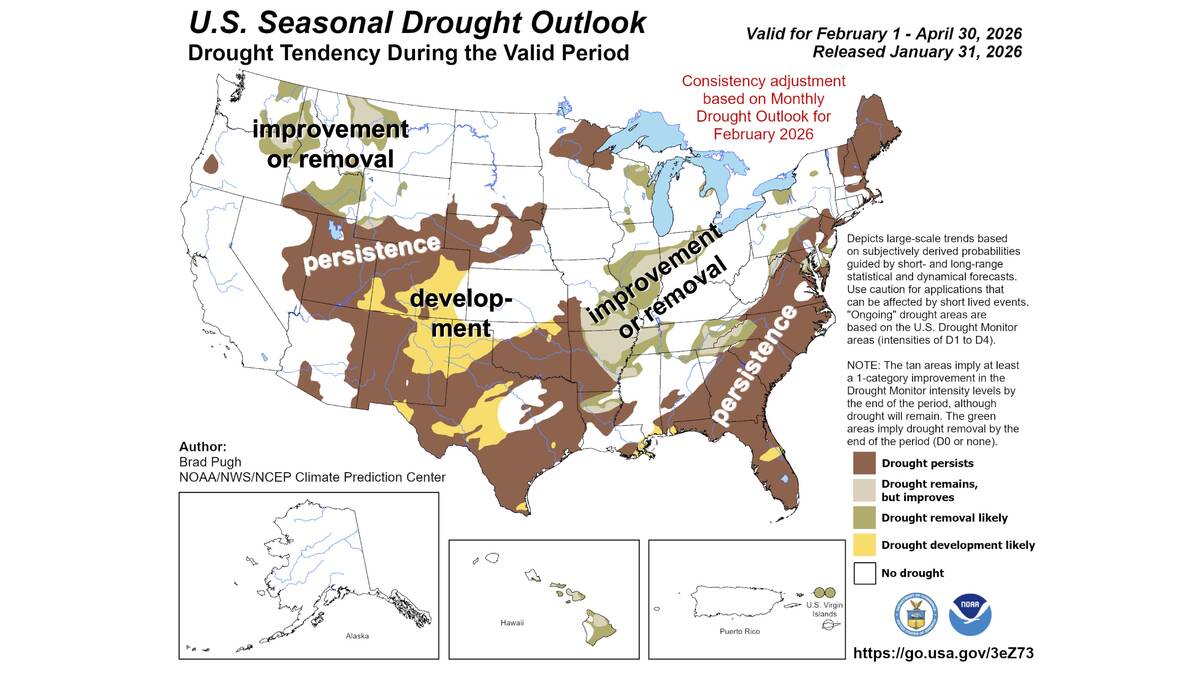
Neutral conditions drive 2026 weather as La Niña subsides
U.S. government meteorologist expects there will be neutral ENSO conditions for the 2026 farm growing season.
There are three types of omega-3 fatty acids: a-linolenic acid (ALA), eicosapentaenoic acid (EPA) and docosahexaenoic acid (DHA). ALA is plant based and found in such edible seeds as flaxseed and in oils, such as soy, canola and hemp oil. EPA and DHA are found in marine life.
Published in the Journal of Nutritional Biochemistry, the study involved feeding the different types of omega-3s to mice with a highly aggressive form of human breast cancer called HER-2. HER-2 affects 25 per cent of women and has a poor prognosis.
Ma exposed the mice to either the plant-based or the marine-based omega-3s, beginning in utero.
“The mice were exposed to the different omega-3s even before tumours developed, which allowed us to compare how effective the fatty acids are at prevention,” said Ma.
Ma found overall exposure to marine-based omega-3s reduced the size of the tumours by 60 to 70 per cent and the number of tumours by 30 per cent.
However, far higher doses of the plant-based fatty acid were required to deliver the same impact.