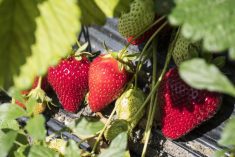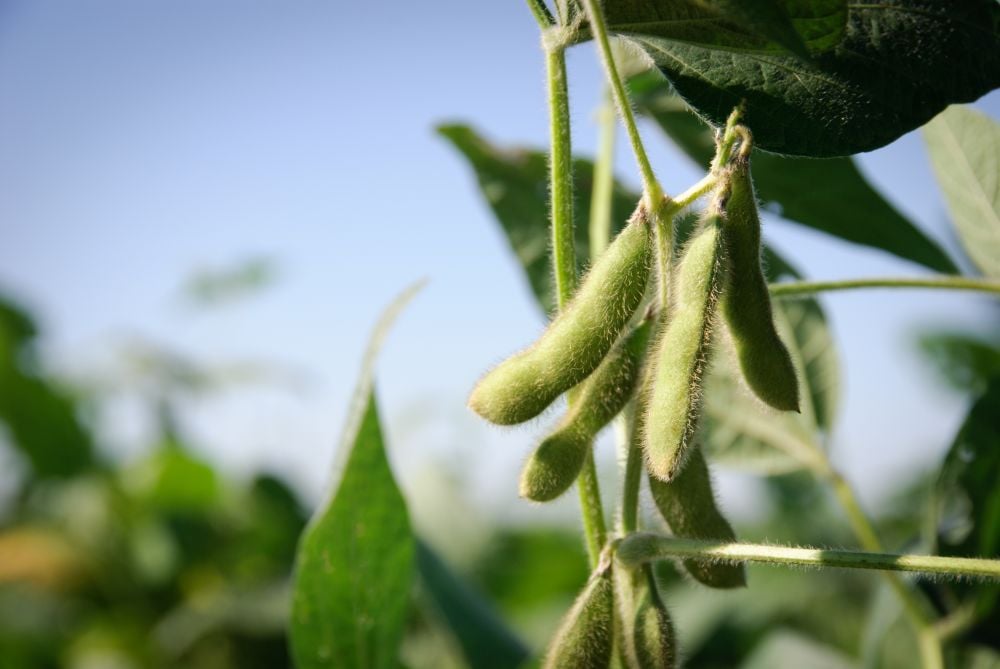

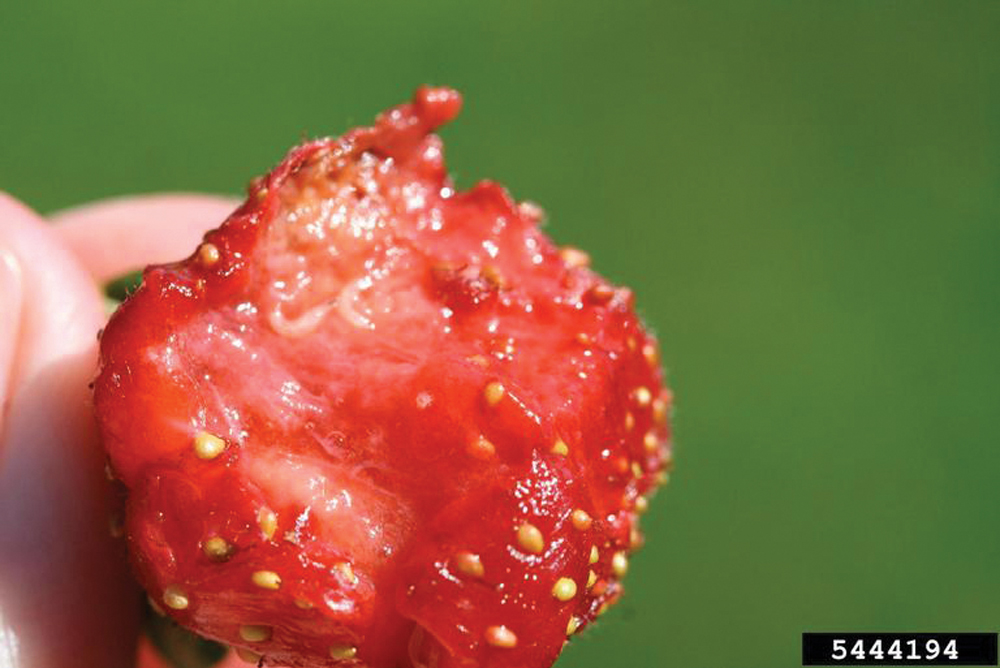
The Prairie Fruit Growers Association and Manitoba Agriculture Fruit Crops Program are working in collaboration on a province-wide surveillance program to detect and manage spotted winged drosophila (SWD), which can damage berry crops.
A report from the program last weekend said females and males (one to two per trap) had been found in traps in southern Manitoba and that numbers are expected to start building significantly by late July.
Berries are susceptible to SWD infestation from the time colour starts to appear on the berry all the way through harvest.
Read Also
MANITOBA AG DAYS: Don’t wait to buy fertilizer, farmers warned
Higher fertilizer prices likely ahead, says Ag Days speaker. Farmers waiting until spring to buy fertilizer might end up eating the cost.
A website has been set up to report trap counts and advise on control methods. Visit www.gov.mb.ca and search for ‘Spotted Winged Drosophila.’
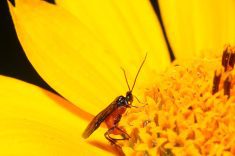
SWD is a vinegar fly of East Asian origin that can cause damage to many soft-skinned fruit crops. SWD pierces seemingly healthy fruit, and lays its eggs. The eggs hatch in about three days, the larvae feed on the fruit and emerge as adults after six to 28 days. Early detection is critical because symptoms often do not appear until after the fruit is harvested.