Researchers say they may have found another manure source that’s perfect for fertilizing crops — the catch is it’s of the human variety.
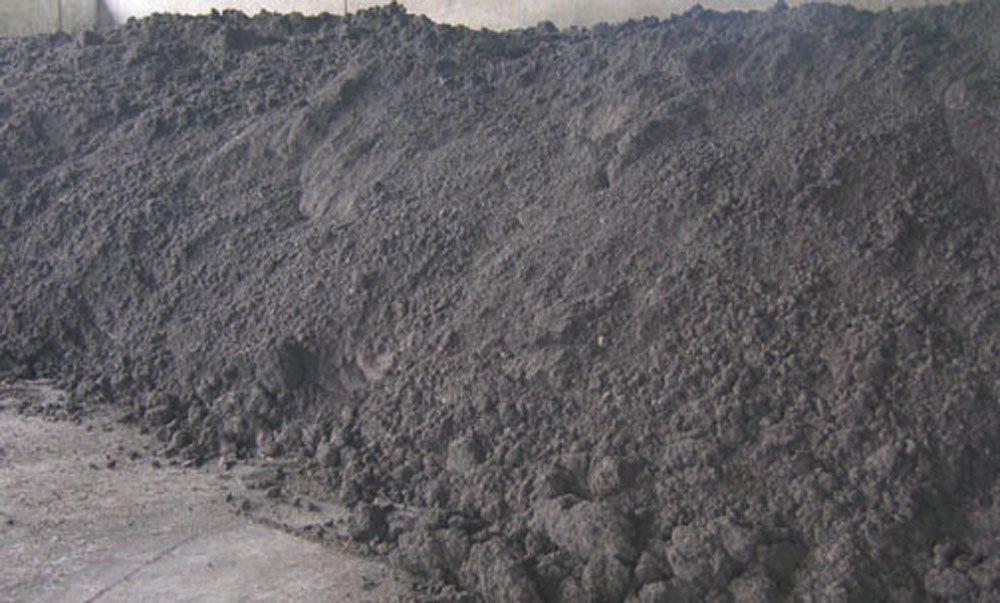
In a recent article in the open-access journal Frontiers in Nutrition scientists from Madagascar’s University of Antananarivo investigated using thermally conditioned sewage sludge on crops. Thermal conditioning kills potentially harmful pathogens, leaving a safe and nutrient-rich product.
In the article, lead researcher Andry Andriamananjara said the technique would enable sustainable reuse of “essential and finite” phosphorus resources. The most common source of phosphorus is non-renewable phosphate rocks.
Read Also
Fertilizer industry optimistic as Ottawa commits to cutting red tape
Federal ministers and bureaucrats are now willing to modify or eliminate unhelpful regulations, including a rule that required complex bilingual labels on fertilizer delivered to Canadian farms. The CFIA extended the bulk fertilizer labelling deadline to July 2027.
The researchers grew ryegrass in pots filled with soil and added either no fertilizer, thermally conditioned sewage sludge, or commercial triple superphosphate fertilizer. Shoot and roots were harvested at fixed intervals and phosphorus uptake was measured.
As expected, both fertilizer applications increased shoot biomass significantly and increased phosphorus uptake.
However, total phosphorus uptake from thermally conditioned sewage sludge was lower than that from the commercial fertilizer. Phosphorus in the water-soluble commercial fertilizer is likely immediately available for plant uptake after application, whereas the phosphorus from sewage is in a form that’s less readily available as it becomes tied up by soil microbes.
Andriamananjara still recommends using sewage sludge as fertilizer, saying over time the phosphorus will become available to plants and the sustainability of the system is a key benefit.