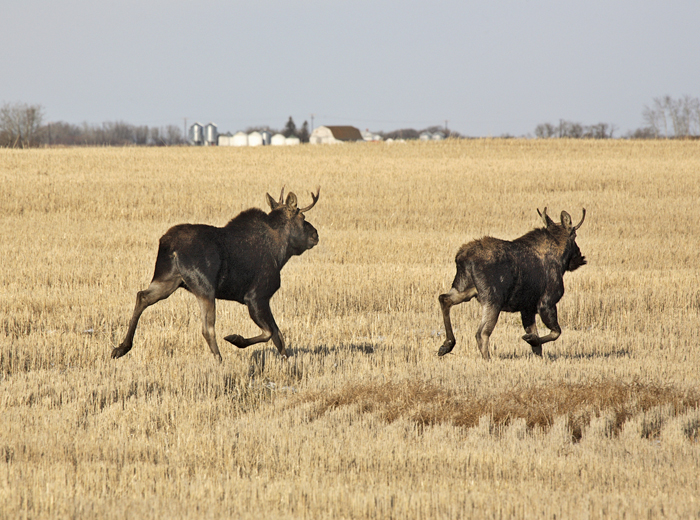
York University researchers have found a surprisingly effective way to fight against a certain species of toxic grass fungus — moose saliva.
Their paper published this month in Biology Letters shows that moose and reindeer saliva slows growth and reduces toxicity of a fungus in red fescue.
“Plants have evolved defence mechanisms to protect themselves, such as thorns, bitter-tasting berries, and in the case of certain types of grass, by harbouring toxic fungus deep within them that can be dangerous or even fatal for grazing animals,” York U biology professor, Dawn Bazely says in a release. “We wanted to find out how moose were able to eat such large quantities of this grass without negative effects.”
Read Also

Manitoba’s 2026 budget boosts loan limits, insurance and farm support programs
Manitoba’s 2026 budget expands farm support programs with higher loan limits, new insurance incentives and $143.7M in agricultural funding.
- More ‘Did you know?’: Saskatchewan researchers help crack the wheat genome
Working in partnership with the Toronto Zoo, the team collected saliva samples from moose and reindeer, which they then smeared onto clipped samples of red fescue grass carrying the toxic fungus, simulating the effect of grazing. They found that the application of saliva produced rapid results, inhibiting fungus growth within 12 to 36 hours.
“In addition, by applying multiple applications of saliva to the grass over the course of two months, we found we could lower the concentration of ergovaline (fungus) between 41 and 70 per cent.”