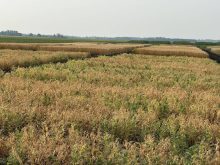
Staff / Canadian Malting Barley Technical Centre (CMBTC) has been granted $82,000 from the Western Diversification Program to do more complex testing and analysis of malting barley to meet increased international barley quality standards.
“This investment will allow the Canadian Malting Barley Technical Centre to strengthen the international competitiveness of Western Canada’s malt and malting barley industries,” said Lynne Yelich, minister of state of Western Economic Diversification in a release.
The project also supports the CMBTC in growing its service offerings to a larger international market, with a view to expand Canada’s share of the global malt and malting barley market.
Read Also
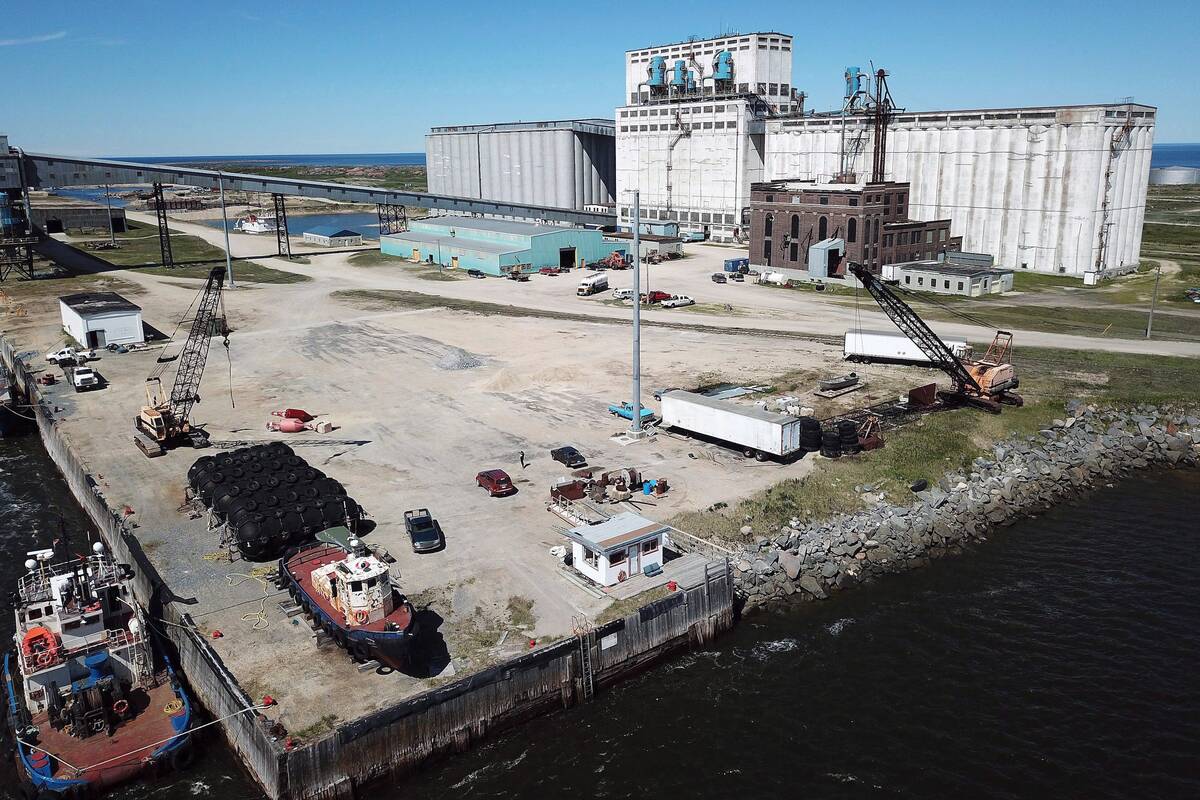
Making way for Port of Churchill expansion
Rail car limits, climate research and marine planning will determine if the Port of Churchill actually can grow beyond its four-month shipping season into year-round trade.
Drought conditions retreat slightly in U.S. Plains
reuters / Drought conditions are retreating slowly in the U.S. Plains, according to a report issued April 4 by a consortium of state and federal climatologists.
The “Drought Monitor” report, which tracks the U.S. land area stricken by drought on a weekly basis, said the Plains, which has been the hardest hit by the ongoing drought, was seeing improvement thanks to recent rains and snow. Drought Monitor has reported a slow retreat of drought conditions since February due to snowfall and rainshowers.
The improving conditions are closely monitored by agricultural experts as winter wheat crops are emerging after being planted last fall, and farmers are preparing to plant spring crops like corn and soybeans.
But while conditions improved in Nebraska, Kansas and Oklahoma, drought grew worse in Texas, where nearly 44 per cent of the state is now in at least severe drought, the report said.