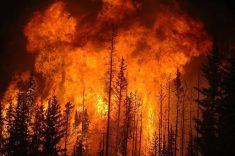

Recent rains have brought some relief to Texas, Oklahoma and Arkansas, but the U.S. Plains remains tightly gripped by severe drought.
The worst-hit areas remain in sad shape, said Brian Fuchs, climatologist at the University of Nebraska-Lincoln.
“We’re still looking at significant precipitation deficits,” Fuchs said. “We really haven’t seen anything that has changed the situation.”
Roughly 60.26 per cent of the contiguous U.S. was in at least “moderate” drought as of Jan. 8, a slight improvement from 61.09 per cent a week earlier, according to a “Drought Monitor” report. But severe drought still blanketed 86.20 per cent of the High Plains — with all of Kansas, Nebraska and Oklahoma in that category or worse.
Read Also
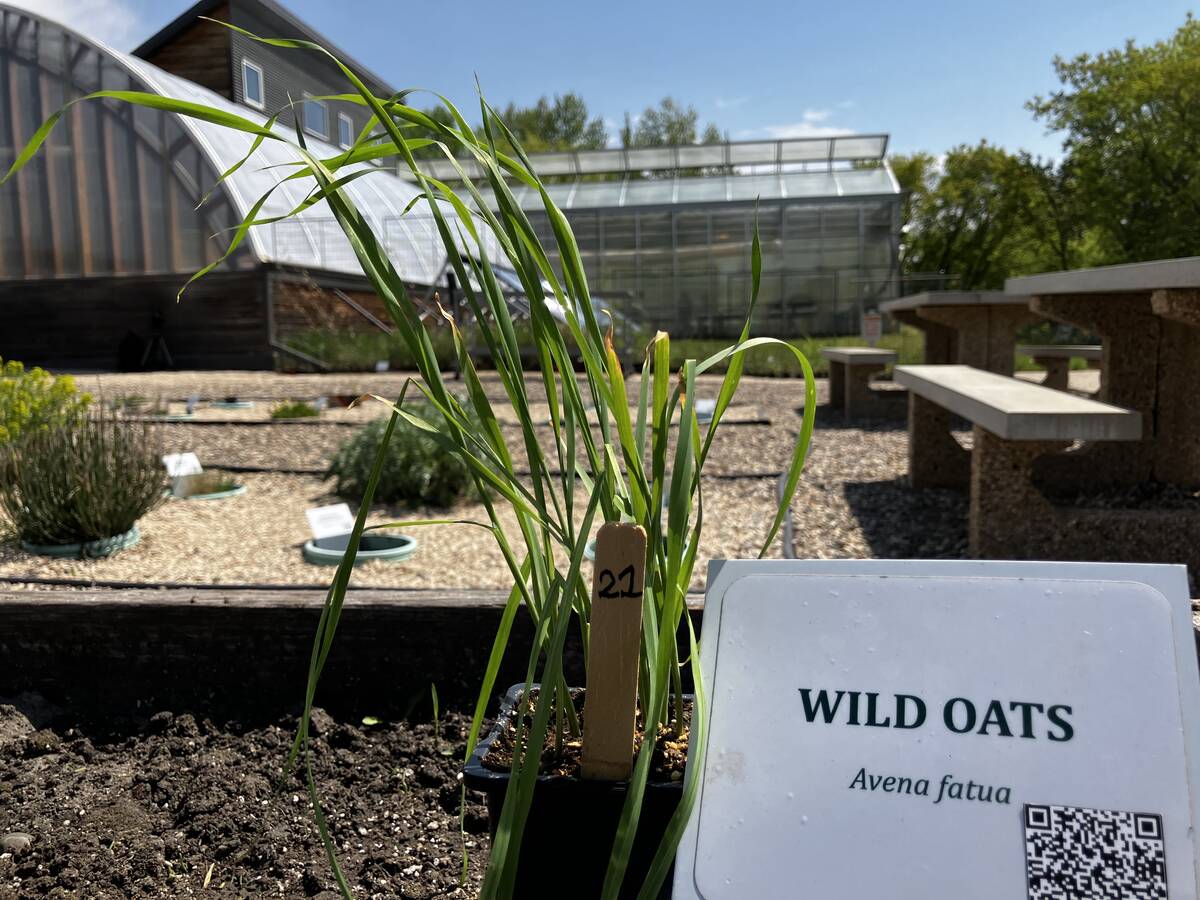
MANITOBA AG DAYS: Wild oat resistance tightens its grip in Manitoba
Herbicides are increasingly failing to control wild oats as the weed pops up across Manitoba farm fields.
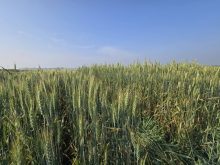
The latest USDA figures have 62 per cent of U.S. wheat-growing areas suffering from drought. That prompted Washington recently to declare much of the central and southern U.S. Wheat Belt a natural disaster area — making growers in large portions of four major wheat-growing states (Kansas, Colorado, Oklahoma and Texas) eligible for low-interest emergency loans.
Some experts estimate up to a quarter of the crop will be abandoned because of poor development.