Governments must co-operate to tackle increasingly sharp swings in prices of commodities such as food, metals and oil, says a British think-tank.
“Trade is becoming a front line for conflicts over resources — at a time when the global economy is more dependent than ever on trade in resources,” states a report from London-based Chatham House.
“Higher prices and higher volatility have increased the stakes within and between countries.
It recommends forming a group of the top 30 resource producers and consumers to work together to iron out sharp price changes and reduce protectionism.
Read Also
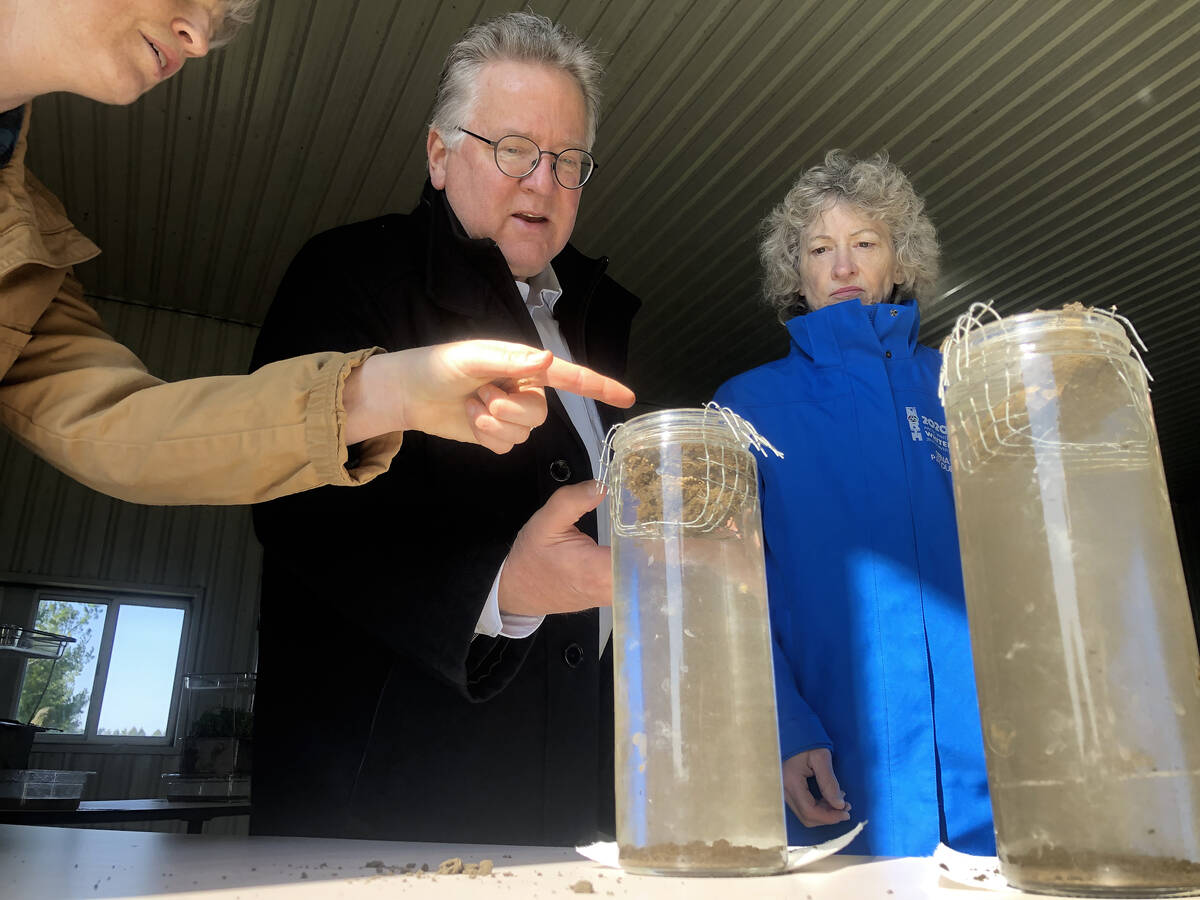
MFGA praises federal government’s national soil strategy promise
Ottawa has announced plans to develop a national agricultural soil health strategy, drawing praise from Manitoba farm organizations.
As only eight countries produce the majority of the world’s commodities and demand keeps rising, prices are very prone to fluctuations and this, rather than outright scarcity, is set to be the major difficulty, the think-tank said.
The size of fluctuations in commodity prices has more than tripled since 2005 compared to the period from 1980, says the report, citing International Monetary Fund data.
“If you look at what the initial reasons were for people hitting the streets in North Africa during the Arab Spring a lot of it started off with people being angry about the price of bread,” said Rob Bailey, one of the report’s authors.
Unlike previous waves of volatility, the current period of fluctuating commodity prices is not driven by a fundamental crisis such as a world war or great depression, he said.
“We don’t have that kind of obvious crucial factor this time — it appears to be an actual structural change in the way the global economy has organized itself,” he said.