The wheat acreage affected by a drought in eight Chinese provinces has fallen by two-thirds since Feb. 8 to 2.52 million hectares, the Ministry of Water Resources said in a statement on its website on Monday.
That means the drought area has more than halved since last Thursday, when it was 5.71 million hectares, according to the Agriculture Ministry. The area severely affected has shrunk by about 80 per cent to 208,000 hectares.
The official Xinhua news agency cited Zheng Guoguang, head of the China Meteorological Administration, as saying the drought would not significantly harm winter wheat growth even if it continues in some northern areas.
Read Also
New phosphate fertilizer trade corridor planned
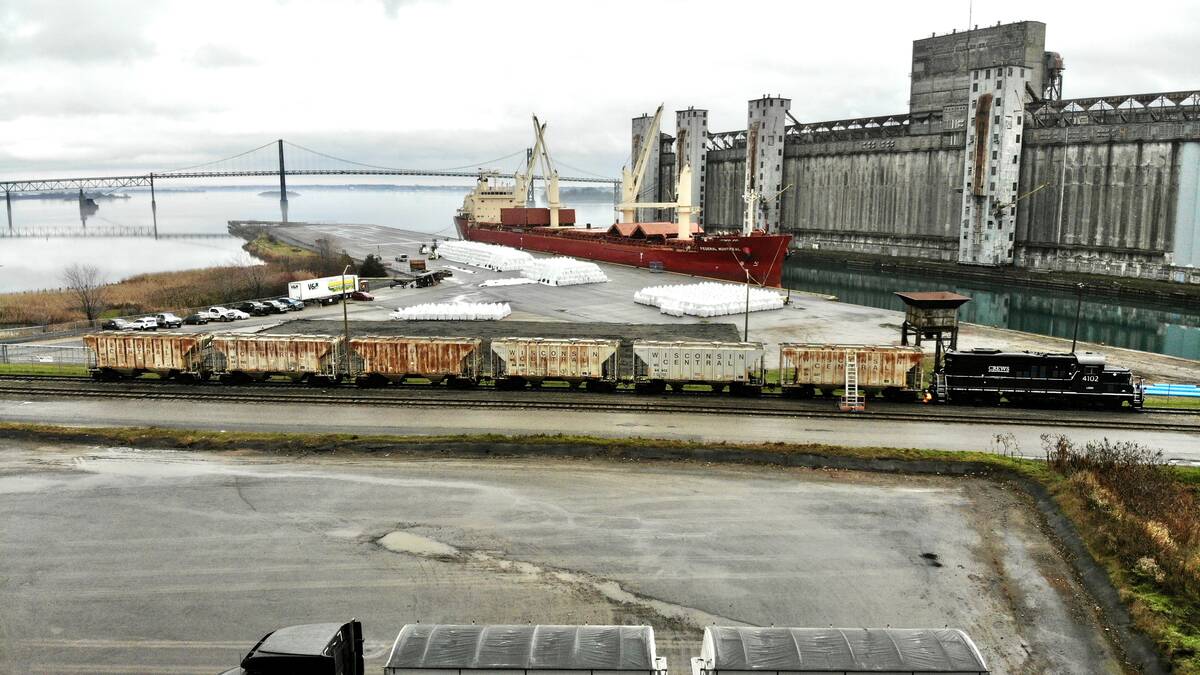
V6 Agronomy is building a fertilizer terminal at the Port of Johnstown it hopes will be moving 480,000 tonnes of phosphate a year by the end of this decade.
“Another round of rain and snow over the weekend in these drought-hit areas, and irrigation efforts by local governments are helping mitigate the impact of the drought,” Zheng said.
“Only in some areas in Shandong and Henan provinces, the most severely stricken provinces, is soil moisture inadequate for wheat growth,” Zheng added.
Much of China saw rain and snow over the weekend, which meant the drought-hit area received its first precipitation since October.
Rain and snow, boosted by widespread cloud seeding, provided relief to almost all the winter wheat area where an average of more than 10 mm fell during the past four days, China’s weather bureau said.
However, dry weather is likely to continue into March, with higher temperatures than normal, it said.