After three decades of waging war on crop biotechnology, European politicians are about to change course.
In late April or early May, members of the European Parliament will vote in a plenary session on the use of gene-edited crops in the European Union.
A “yes” vote seems likely because many politicians and policy makers are now touting the benefits of modern plant breeding, says the co-founder of a precision breeding company from California.
Read Also

High stakes for canola in CUSMA talks
The CUSMA review could reshape Canada’s canola trade with the U.S., its dominant export market for oil and meal.
“I’ve spent a lot of time speaking to … authorities in Europe,” said Peter Beetham, chief executive officer of Cibus, a firm that develops and licenses plant traits to seed companies.
“I think they’ve recognized that the risks associated with gene editing are not doing (it).”
WHY IT MATTERS: Much of North America, South America and some key countries have approved gene-edited crops. If Europe gets on board, global acceptance could be around the corner.
The technology involves changing the genetic code of a plant with tools like CRISPR-Cas9, a technique that can cut sections of DNA. Scientists from California and France won the 2020 Nobel Prize in Chemistry for their discovery of CRISPR.
It allows scientists to precisely change a plant’s DNA to achieve desired traits, such as improved disease resistance or healthier oil in the kernel.
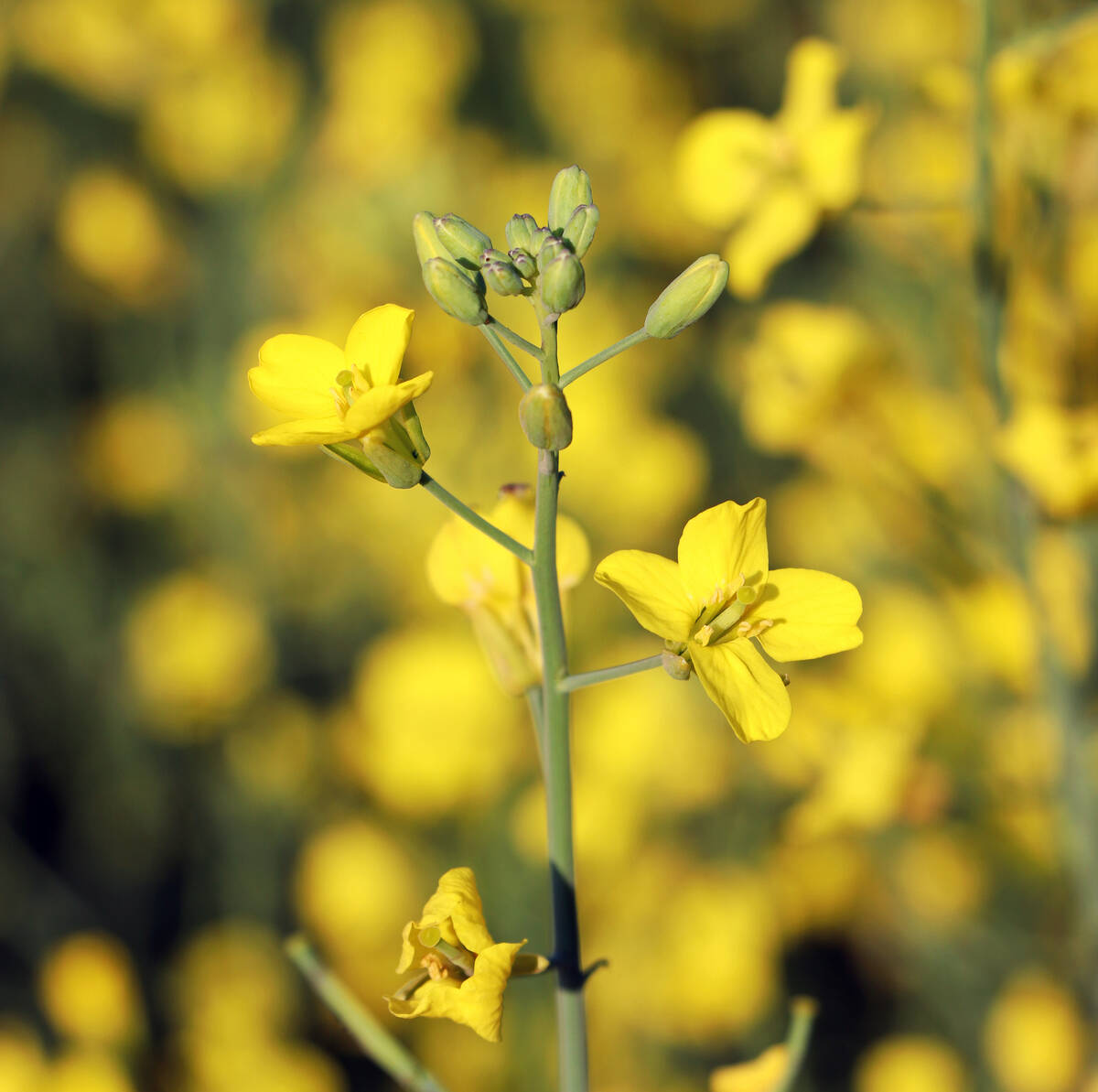
Cibus plans to commercialize a trait in canola that provides resistance to sclerotinia, a fungal disease.
The technology should provide more seed options for growers and possibly more competition in the seed market. Smaller companies can use it to create crops with desirable traits in less time and with lower costs.
If the European Parliament passes the legislation, the EU will have a system where the majority of gene-edited plants (without foreign DNA) will be treated the same as conventionally bred crops.
It will take a couple of years to implement the regulations, which means gene-edited crops could be introduced in 2028 in Europe.
A massive shift in European crop policy
This embrace of biotechnology is a massive change in the EU.
In the late 1990s and early 2000s, environmental groups railed against genetically modified crops, claiming they were a threat to human health and the environment. That message took hold in Europe with the public and political leaders, and the EU basically outlawed the cultivation of GM crops.
Much of the anger was directed at companies such as Monsanto. More than 25 years later, some organizations are still hostile to GMOs.
“We are opposed to GM crops since they lead to further privatization of life and ownership of seeds by powerful multinationals, taking control out of farmers’ hands,” say the Green parties of the European Parliament.
Such groups also oppose gene-edited crops, for similar reasons, but their protests aren’t swaying European leaders.
Many politicians and bureaucrats have embraced gene-edited plants. The European Council website touts the potential of the biotechnology, saying it could help farmers, the public and the environment.
“(Gene editing) can help breed plants which are climate-resilient or pest-resistant, require fewer fertilizers and pesticides … and plants with fewer allergens.”
Consequences for Canada
The Canadian government has already approved gene editing, but public and private plant breeders have been reluctant to use it because of a concern about export markets.
If China or India won’t accept a gene-edited canola or gene-edited red lentil, it’s risky for Canadian farmers to grow such crops.
“Let’s face it, the ag industry is quite excited about this technology. … Farmers are excited about having more tools in the tool box,” said Greg Cherewyk, president of Pulse Canada back in 2024.
“(But) the position really has to be — our key export markets are still reviewing the approach (to gene editing).”
Assuming Europe approves gene editing sometime this spring, it should have a ripple effect on global acceptance, Beetham said.
African and Asian countries that haven’t taken a position on gene-edited crops would likely follow the Europeans’ lead.
For Canada, China remains a large question mark. Would it import canola, hard red spring wheat or malt barley from Canada if it was developed with gene editing?
China has approved gene-edited high-oleic soybeans and other crops for domestic production, but it’s taking a case-by-case approach to the technology, says the Global Gene Editing Regulation Tracker.
Beetham, however, isn’t worried about China.
“There is probably more gene editing in agriculture in China than anywhere else in the world. … They’ve already accepted it.”