Yaounde | Reuters —The U.S. has vowed to relegate the World Trade Organization to only a limited role in global trade policy, following the breakdown of talks at recent ministerial meetings, if the body fails to reinstitute a moratorium on e-commerce duties.
The moratorium, agreed at the dawn of the internet, lapsed for the first time in 28 years after World Trade Organization countries failed to agree on a routine extension.
Four days of talks among trade ministers in Cameroon’s capital Yaounde broke up in the early hours of Monday with Brazil and Turkey blocking a bid to extend the e-commerce moratorium, which including on digital downloads and streaming.
Read Also
Canada reports modest economic growth in January
Canadian economy eked out modest growth in January, with monthly gross domestic product rising slightly as strength in most goods-producing industries offset lingering manufacturing weakness.
Countries also failed to agree on a path to reform.
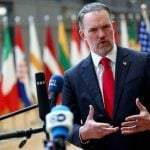
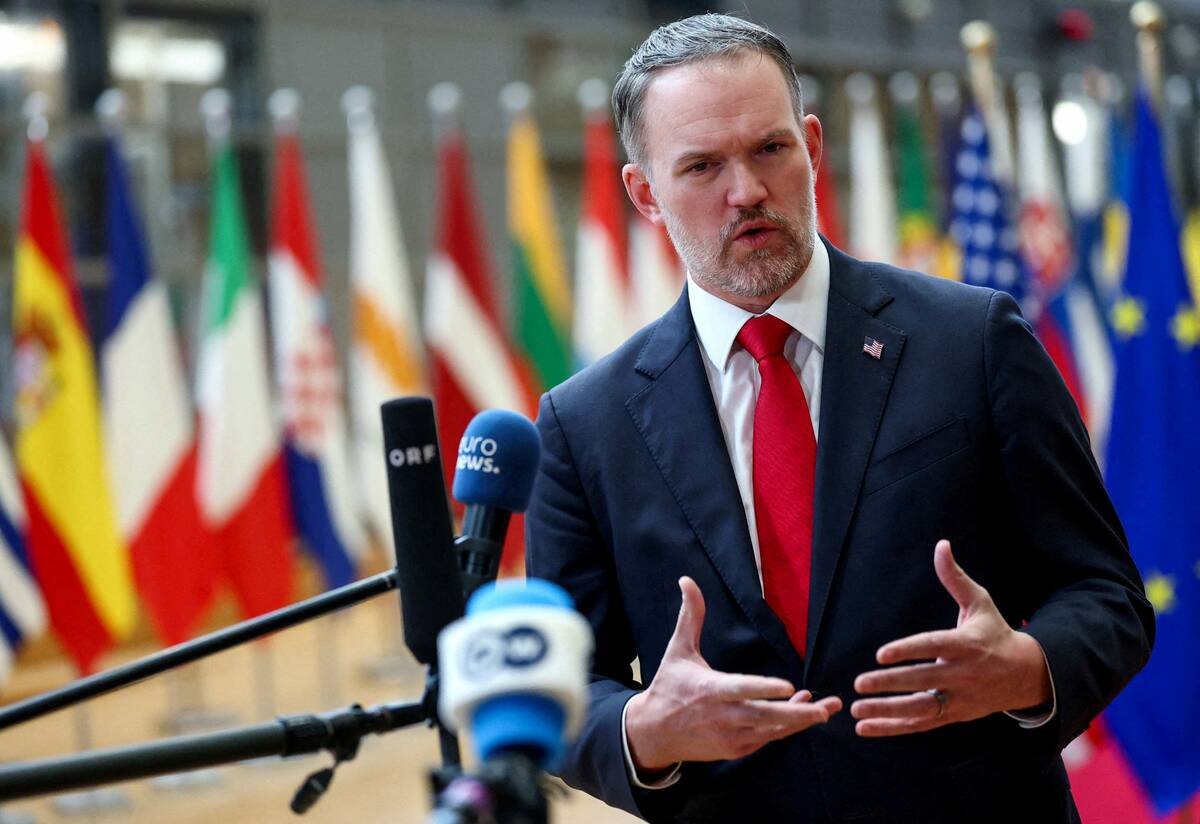
U.S. Trade Representative Jamieson Greer said in a statement that he has secured agreements from dozens of countries, including nearly all major trading partners, not to impose tariffs on U.S. digital transmissions. He vowed that if the WTO fails to restore the moratorium, “the United States will work outside of the WTO with all interested partners to get it done.”
Greer, who is the architect of U.S. President Donald Trump’s multi-front tariff assault on global trading partners, said he was disappointed that the meeting ended in an impasse. He said some countries demonstrated a “lack of seriousness” in WTO reform by not sending their trade ministers to Cameroon.
“I have always been skeptical of the value of the WTO, and this week’s conference confirmed that this organization will play only a limited role in future global trade policy efforts,” Greer said.
Increasingly sidelined by economic nationalism
The WTO has been increasingly sidelined by economic nationalism in the past decade, and its 14th ministerial conference in Cameroon will further that trend, analysts said.
The talks tested the WTO’s relevance after a year of huge trade turmoil and more recent disruptions in the Middle East.
Still, a subset of 66 members did agree to sidestep previous hurdles to usher in the world’s first baseline deal on digital trade rules among participants.
The parties of the Comprehensive and Progressive Agreement for Trans-Pacific Partnership — 12 countries including Australia, Britain, Canada, Japanand Mexico but not the U.S. — met with the EU on the sidelines of the WTO talks.
As diplomats pursue a mix of agreements between two or larger subsets of countries, they risk creating a complex “spaghetti bowl” of agreements, said Dmitry Grozoubinski, executive director of the Geneva Trade Platform.
WTO Director-General Ngozi Okonjo-Iweala said the trade body hoped the moratorium could still be restored, adding that Brazil and the U.S. were trying to reach agreement on it.
— Additional reporting by Emma Farge in Geneva and Lisandra Paraguassu in Brasilia and David Lawder in Washington, D.C.