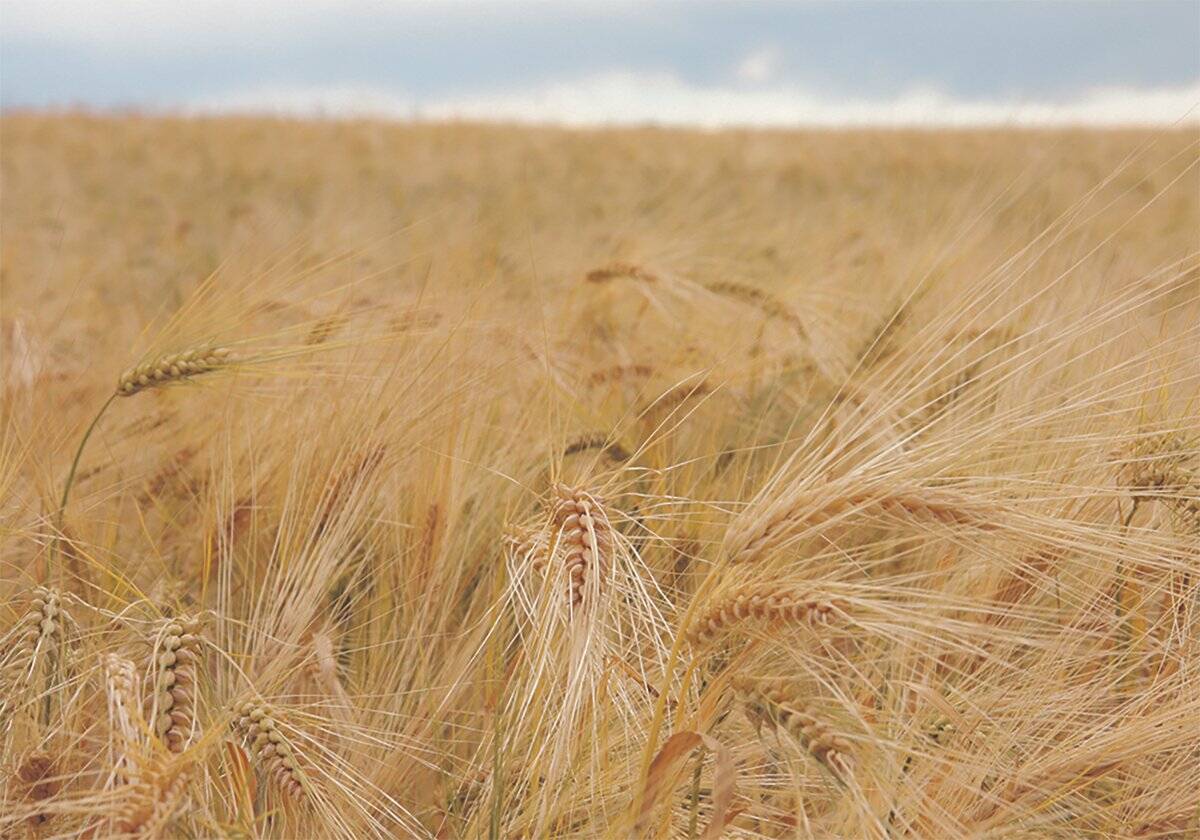
A research project from Saskatchewan is gaining insight on the on-again, off-again issue of lodging involving nitrogen and plant growth regulators (PGRs).
The issue of high-yielding genetics with low straw strength was a particular problem in 2010, 2012 and 2014, when barley and wheat had high production that coincided with severe lodging.
Read Also
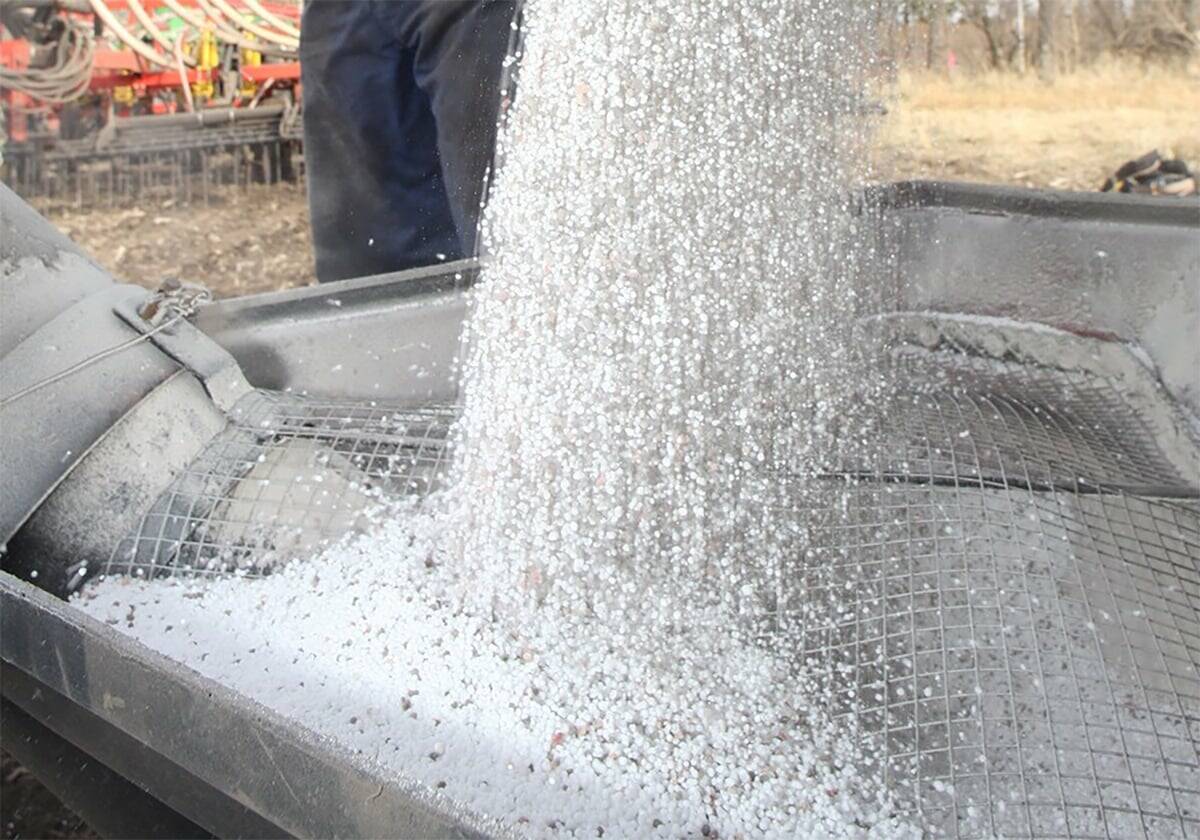
OPINION: Global chaos raises stakes for green farm technology
With fertilizer prices spiking on Middle East conflict, on-farm green ammonia and other innovations offer Prairie farmers a path to stability.

“We had very high production years, lots of moisture and lots of conditions that promoted lodging,” Mitchell Japp, research and extension manager at SaskBarley, said at the recent Top Crop Summit in Saskatoon.
“So at the time, we had relatively poor genetics for lodging, and the straw strength wasn’t there, and so our fertility management was one of the few things that we had to be able to control lodging.”
WHY IT MATTERS: Manitoba farmers have also had several bad lodging years in recent memory, when cereal crops seemed to have trouble standing upright.
Controls were promoted, such as increased potassium to improve straw, reduced seeding rates and lowering nitrogen to ensure plants stayed standing and protein stayed low enough for malt barley.
But farmers also started turning to another class of products to help solve the issue: plant growth regulators.
In 2014, Manipulator PGR, with the active ingredient chlormequat chloride, was registered for wheat. Today, products containing that active ingredient include registrations for other cereals crops like barley and oats.
Researchers at the Indian Head Agricultural Research Farm in Saskatchewan performed trials on barley for application timing and effect of the product. Their results were promising.
“They found that it decreased height, decreased lodging and even in the absence of those, sometimes led to a yield increase,” Japp said.
“And certainly if lodging was present, there would be a yield increase.”
However, in 2021, chlormequat chloride was labelled yellow by Keep it Clean for barley, meaning that farmers should be informed when opting for it, and should check with their grain buyer to avoid potential marketing pitfalls. As of its 2026 product advisory, Keep it Clean maintains it as yellow status for malt, feed or food-bound barley.
The use of chlormequat chloride in oats has also sparked considerable controversy in recent years between advocacy groups and millers who have discouraged it and some farmers, who maintain the product has been useful.
Currently, Keep it Clean does not have a caution attached to chlormequat chloride in either oats or wheat.
New PGR products, mixed early results
Also in 2021, a newly released PGR — Moddus, active ingredient trinexapac-ethyl — was trialled. It was found to be effective, although any PGR’s influence on a crop varies depending on location, environmental conditions and variety.
“In 2020, ‘21, and ‘22, there was a lot of really low-producing sites,” Japp noted.
“Very low yielding, high stress, which is not the conditions to use a plant growth regulator in. And so what they saw was a significant yield decrease from the control treatment.”
Other sites had higher yields, but agronomic control methods like lower nitrogen, lowered seed rate and additions of potassium largely seemed to do the same job against lodging.
In 2023, they ran an enhanced growing project with six varieties and four management packages. The third package focused on plant height and included a PGR.
However, it was another dry year, which meant mid-range yield and no “real” lodging pressure , although the PGR did help reduce height.
Pushing nitrogen to force the answer
To really trial the efficacy of the PGR though, Japp wanted to induce lodging.
To do this, they applied nitrogen alongside the PGR at the Indian Head site in 2024 and were granted a cool wet spring, good heat in July and wind and rain in August. These results offered some of the best insights of the project, with clear differences between treatments.
A full rate of Moddus had a notable decrease in lodging compared to the untreated control. Both varieties, CDC Fraser and AAC Connect, responded the same.
In comparison, the other trial sites at Melfort and Prince Albert saw nearly no effect on yield or lodging because they were dealing with dry conditions.
Japp said the key is to start with good genetics and find a good balance between products, whether it’s the right amount of nitrogen for a good yield alongside a PGR, or not using a PGR at all.

Seeding rate should also be considered because a higher rate is good for weed management. Staying economical with the rate is important for yield and lodging.
“I think we can say comfortably that a timely PGR application, in really good growing conditions, can improve both harvest operations and increase yield,” he said.
“If the conditions aren’t optimal, there’s may be no benefit. Maybe you get a slight lodging decrease but not likely yield (improvement). And in the poor conditions, it does remain a (yield) risk, so we’re trying to avoid those risky conditions.”
More information is yet to come because a project is currently underway to predict risk of lodging at an early stage for better indication of the potential benefit in using a PGR in a barley crop.
What Manitoba growers should weigh
Back in 2024, cereal growers in Manitoba had a hard time with lodging and PGR questions flew.
The products’ use is a financial gamble, provincial cereal specialist Anne Kirk said at an agronomy event at Brandon’s Assiniboine College that fall.
“It’s a big input,” she said. “Especially when you’re making that decision if you want to be applying them or not fairly early on in the growing season, when you don’t know if you’re going to have, you know, a large hail event or drought in July or whatnot.”
Producers may consider applying strategically, she noted: on only their best wheat crop, or select acres, although she doesn’t see a lot of producers choosing only patches of their fields to apply.r5ui8

PGRs are not, she cautioned, a product to turn to if your crops are already strained by weather, insects or disease.
“Any sort of like plant stress, you wouldn’t want to be applying a plant growth regulator, because it is a hormone, and it can negatively interact with those other stress hormones,” she said.
Instead, she suggested, they might be a better fit for those crops that are intensely managed, seeded densely and generously fertilized with nitrogen.
— With files from Alexis Stockford