A provincial specialist says the war in Iran is unlikely to factor much into the immediate nutrient cost calculations Manitoba farmers are jotting down for seeding — assuming they bought their spring fertilizer in a timely manner.
The future, though, is a little scary.
“There’s definitely a lot of noise out there right now,” said Darren Bond, a farm management specialist with Manitoba Agriculture.
Read Also

Manitoba’s Outstanding Young Farmers built success through diversification
Braden and Misty Drul of Oakburn, Man., earned Manitoba’s Outstanding Young Farmers 2026 award for building a multi-generational operation through diversification. With land prices rising, they launched an equipment assembly business and Pioneer seed dealership to create revenue streams that support two families.
WHY IT MATTERS: Conflict in the Middle East has sent fuel, and therefore ammonia, prices soaring since the start of March. That’s going to lead to a hefty bill the next time farmers go to top off their fertilizer or refill their fuel tanks.
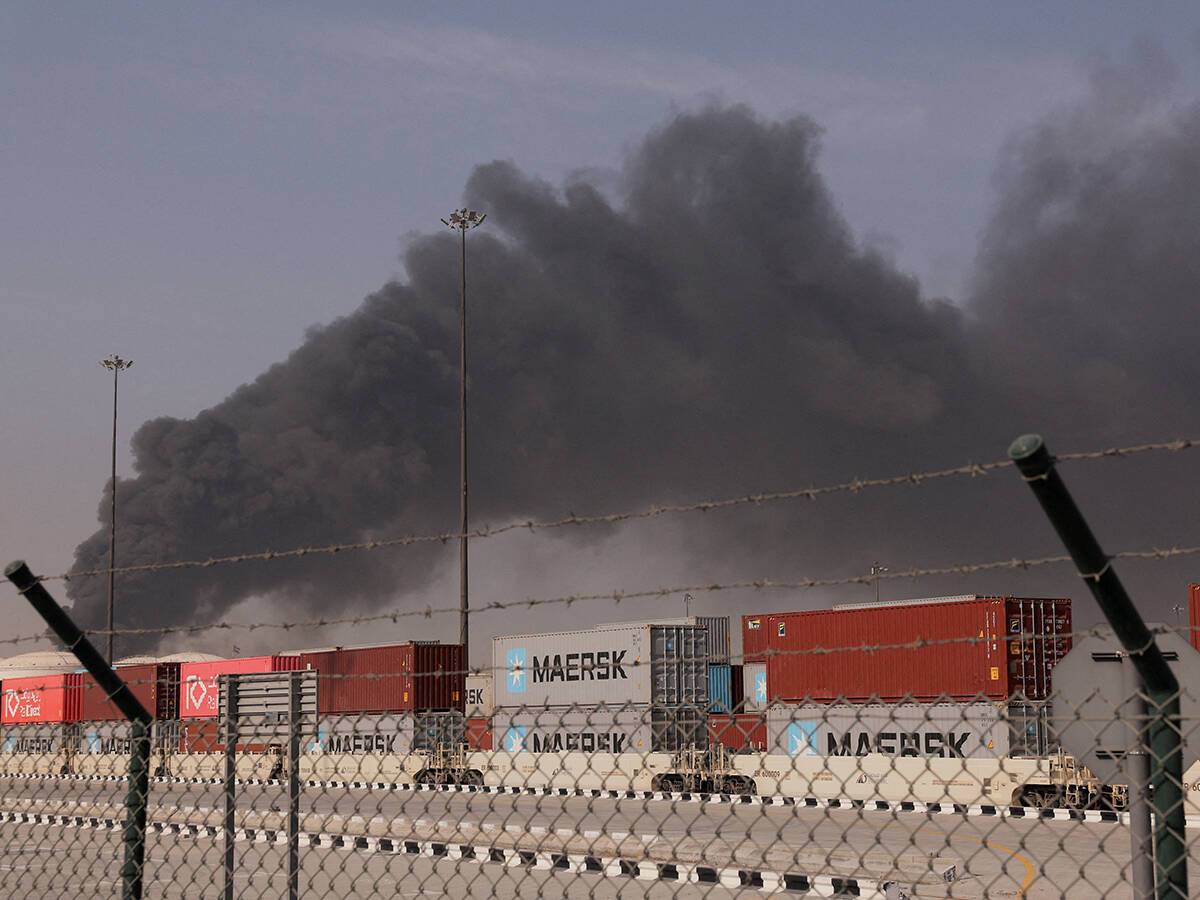
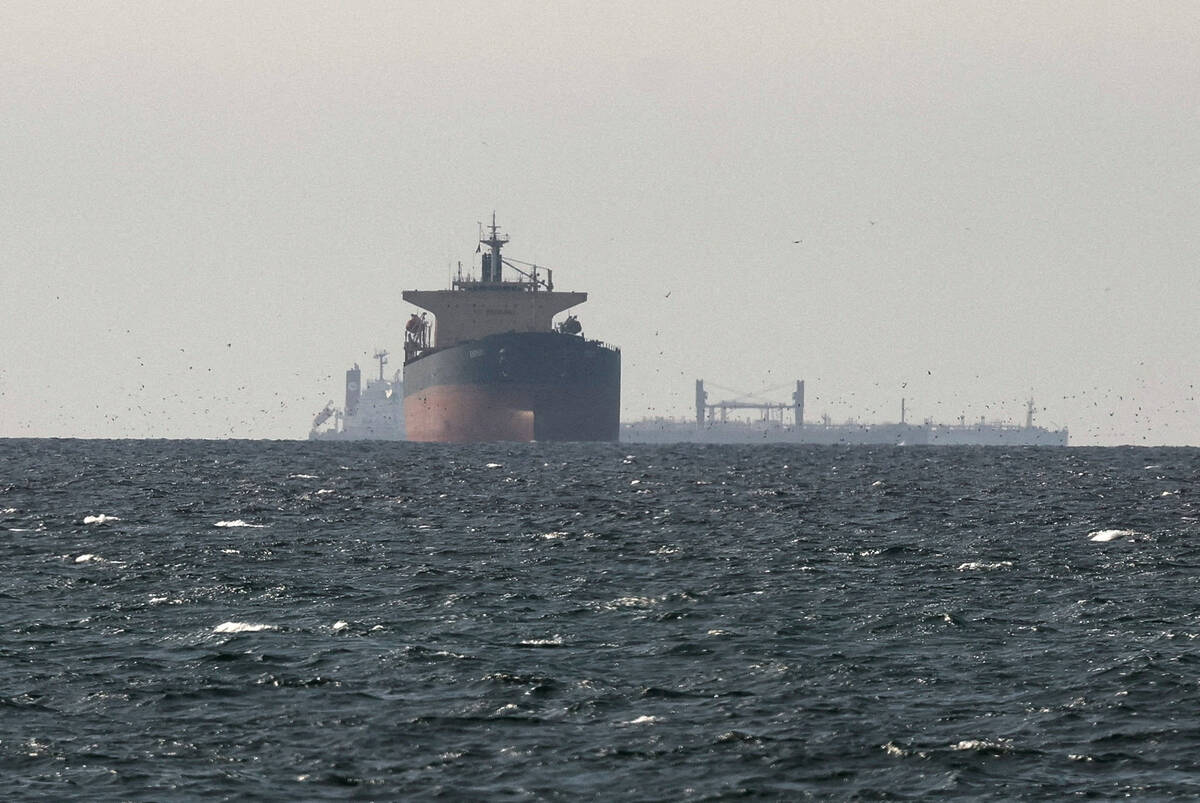
Both fertilizer and fuel prices have shot up since missiles fired by the U.S. and Israel started falling in Iran. Sea traffic through the Strait of Hormuz — through which 20 per cent of global oil and gas travels — has been choked in response to the conflict, while a number of key oil and gas facilities in the Gulf have been hit by military strikes, also shuttering fertilizer facilities. Farm Credit Canada says the Middle East accounts for about 12 per cent of nitrogen production, and almost a quarter of the world’s global trade.
On March 19, Reuters reported that benchmark Brent crude oil prices ended the day at US$109 a barrel, and quoted Goldman Sachs estimates, which warned that the price could smash its 2008 record of $147.50 if tensions didn’t ease.
Markets have tightened further with news that Russian fertilizer exports are bumping up against a ceiling and China will be pulling back its exports, in an effort to protect its domestic supply as global supplies are squeezed.
U.S. urea futures jumped by roughly US$130 per tonne, or nearly 30 per cent, within two days of the conflict in Iran ramping up Feb. 28, according to a Farm Credit Canada (FCC) web post March 9.
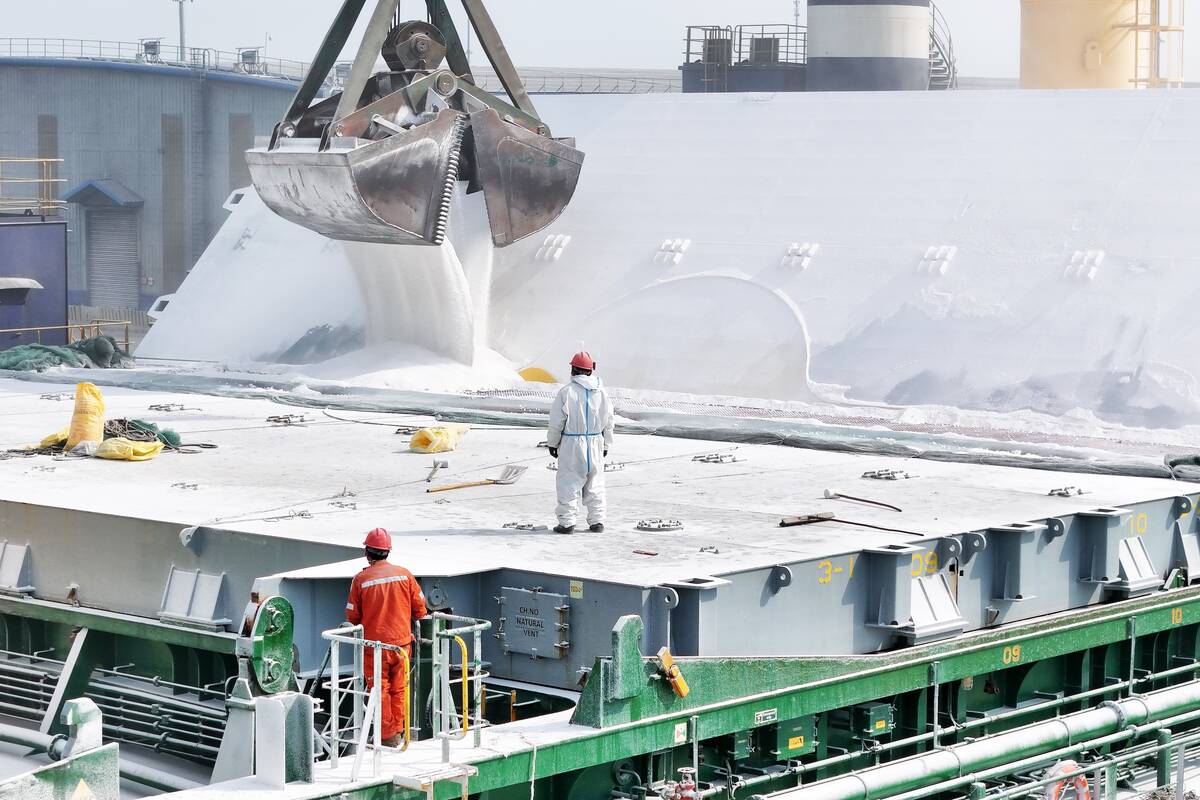
Why spring fertilizer timing got complicated
Back in January, during Manitoba Ag Days in Brandon, farmers were already warned not to wait on fertilizer purchases. Parrish & Heimbecker’s head of market analysis, Tyler Freeman, told farmers that the usual price downswing hadn’t happened in summer 2025.
That was before the conflict in Iran intensified at the end of February.
The suddenly tighter margins and sky-high volatility risk have sharpened focus on cost-of-production as farmers gear up for a higher-risk production year.
“We need to … put that uncertainty as much as we can to the side and think with cold, hard numbers,” Bond said. “Once we start doing that, we start coming up with our plan. A lot of times our stress will dissipate.”
Planning remains the best defence
Cost-of-production budgets should be treated as working documents, updated continuously as projected costs turn into actual figures throughout the season, according to Bond.
“It’s not something that just gets touched once and then pushed to the side of the desk,” he said.
Using real numbers helps producers identify potential profitability challenges early, giving them more time to adjust. That approach also helps reduce the risk of making decisions based on fear rather than data.
“The earlier on in the season that we can identify that we might have a profitability issue, the more time that we’ll have to either make changes or make provisions,” Bond said.
Who’s exposed and when it hits
Farmers that already have their fuel and fertilizer in hand will be spared the first wave of the spiked markets.
Depending on how long war-driven trade disruptions stretch though, that financial wall may still be waiting the next time they need to buy inputs.
“This looks to be more of an issue for those who haven’t priced fertilizer yet … and going into a next year issue, or even, like, this fall,” Bond said.
Fertilizer availability typically varies across the country this time of year.
A 2022 RealAgristudies survey, later cited by FCC, found that more than half of Prairie farms have usually secured their spring fertilizer by late-March.
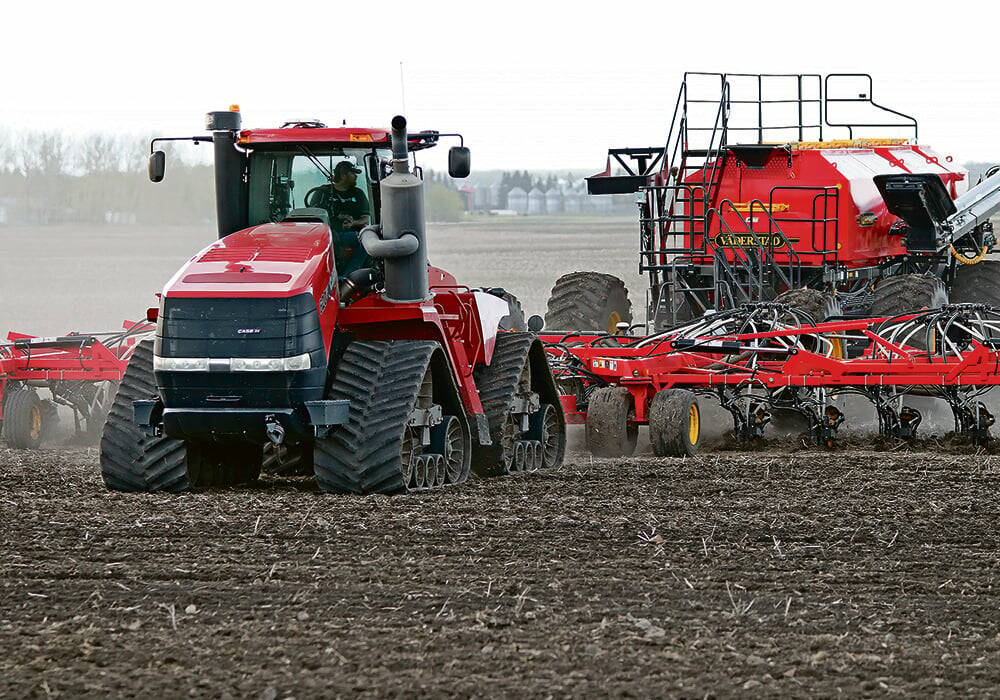
In contrast, only 17 per cent of Quebec producers and 10 per cent in Ontario had done the same, while none of the surveyed Atlantic Canadian farms reported having fertilizer on hand.
Statistics Canada data shows a similar divide today, with urea inventories in Western Canada at their highest levels in a decade, while Eastern Canada sits at its lowest since 2017.
Fertilizer movement typically peaks in April and May. Any disruption to shipping or supply chains during that window could still create localized shortages or price spikes.
Timing purchases have been complicated by the global uncertainty, Bond noted.
“As we’ve seen with the world events and world news, things change pretty quick,” he said.
If things do ease in the Middle East, relaxing pressure on global fertilizer supply, that could just as quickly improve the situation for farmers who still have to lock in fertilizer. Or things could get worse.
Depending on how many farmers waited to buy their spring fertilizer, that could add further pressure on supply.
Fertilizer shipments leaving the Middle East now, may not reach North America until May, potentially forcing adjustments in application timing or rates.
Cost pressures raising the stakes
The current headlines are attention-grabbing, but Bond said there’s been less dramatically visible issue swelling in the background.
Production costs in general have risen steadily over the past several years. At St. Jean Farm Days earlier this year, Bond said farmers are facing much higher inflation costs than the already high rates experienced by the average Canadian in the last five years.
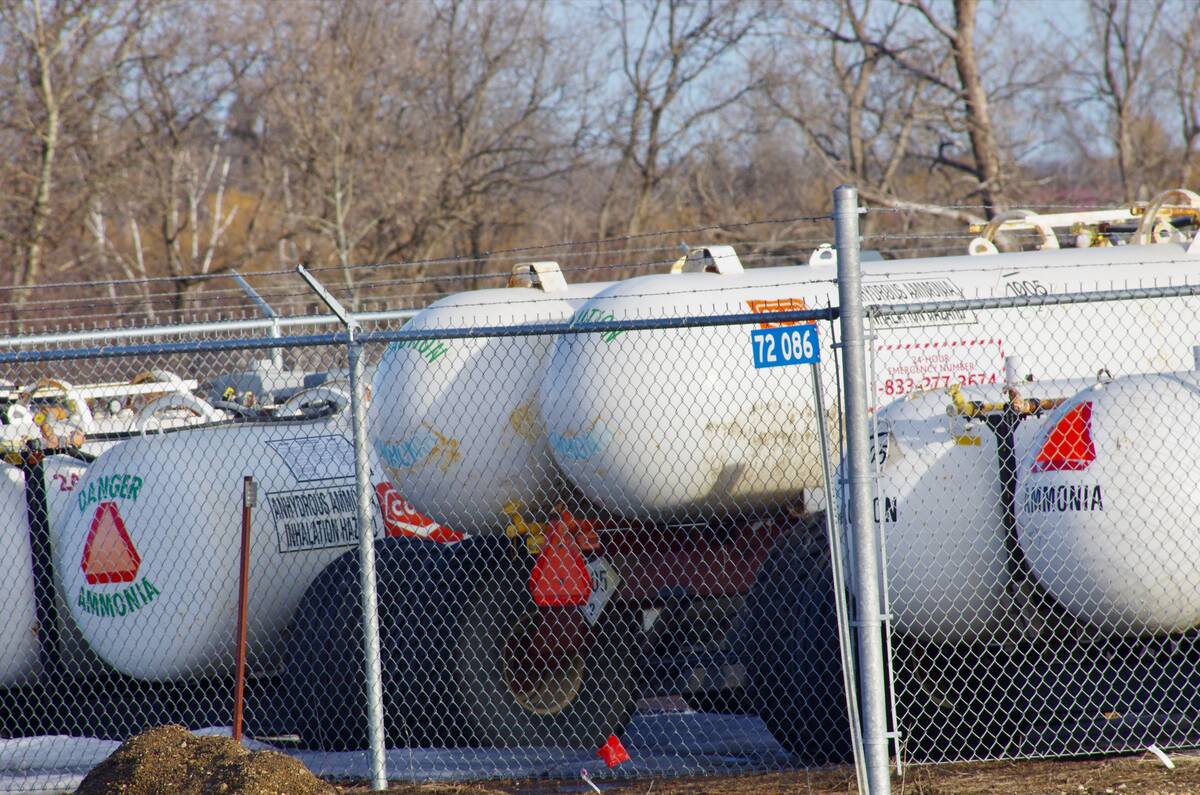
According to Bond, general inflation in the broader economy rose about 20 per cent between 2020 and 2025, but “the numbers that we see … shows that farm level inflation in that five-year period is more around that 50 per cent.”
That shift has fundamentally changed the risk profile for producers. Five years ago, a farm might have spent roughly $500 per acre to generate $50 per acre in profit. Today, that same return may require $700 to $750 per acre in costs.
“It takes more money to generate the same returns,” Bond said. “So that creates more risk.”
Fertilizer is one of the most significant input costs on Manitoba farms, and Bond stressed that any increase in price or misstep in application can quickly erode already thin margins
And unlike the market conditions seen in 2022, when high commodity prices helped offset rising input costs, current forecasts suggest farmers may have less cushion this year.
FCC estimates that a 40 per cent increase in nitrogen prices could cut average Saskatchewan margins for a wheat-canola rotation roughly in half, from about $50 per acre to $25 per acre.