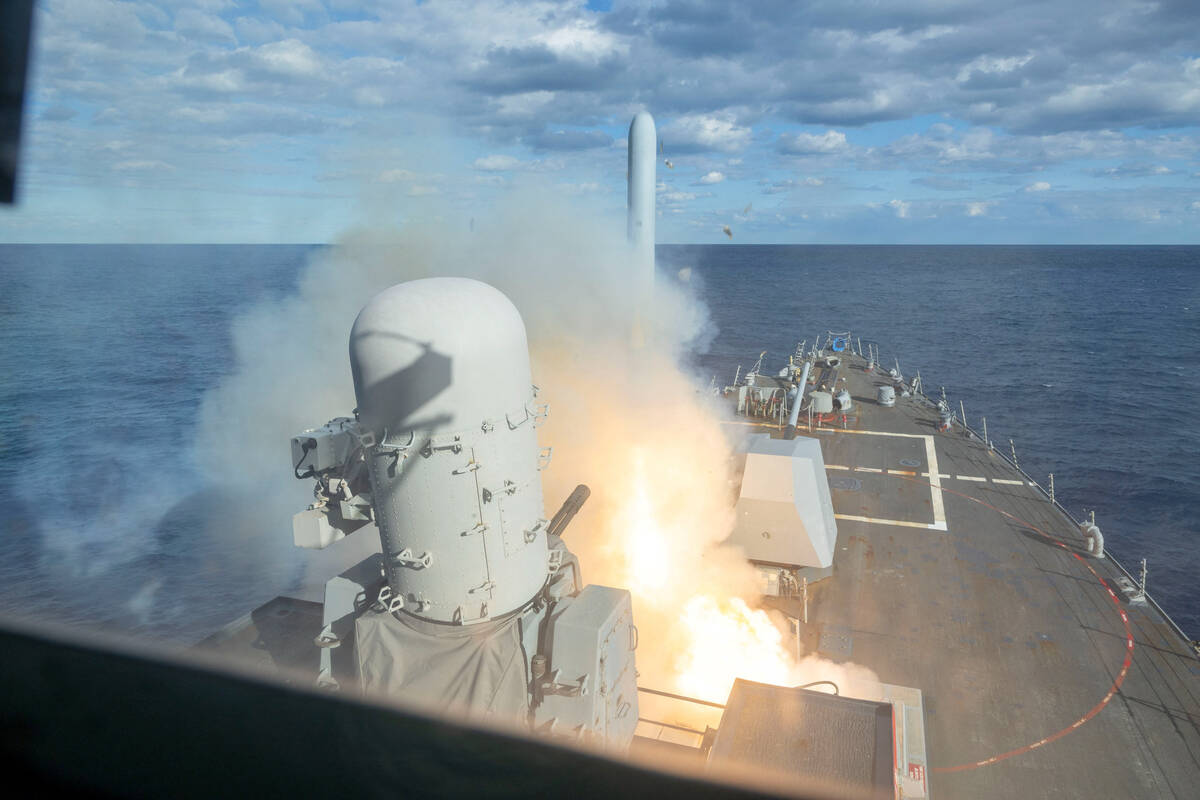
The escalating war in the Middle East sent shock waves through the global energy, equity and commodity markets in early March, with canola futures caught up in the broad price moves.
West Texas Intermediate crude oil was trading around US$65 per barrel just prior to the attacks on Iran by the United States and Israel on Feb. 28. The resulting closure of the Strait of Hormuz and general uncertainty in the region had oil trading US$25 above that level just a week later, with values briefly nearing US$120 per barrel on March 9 before profit-taking came forward.
Canola surge
Read Also
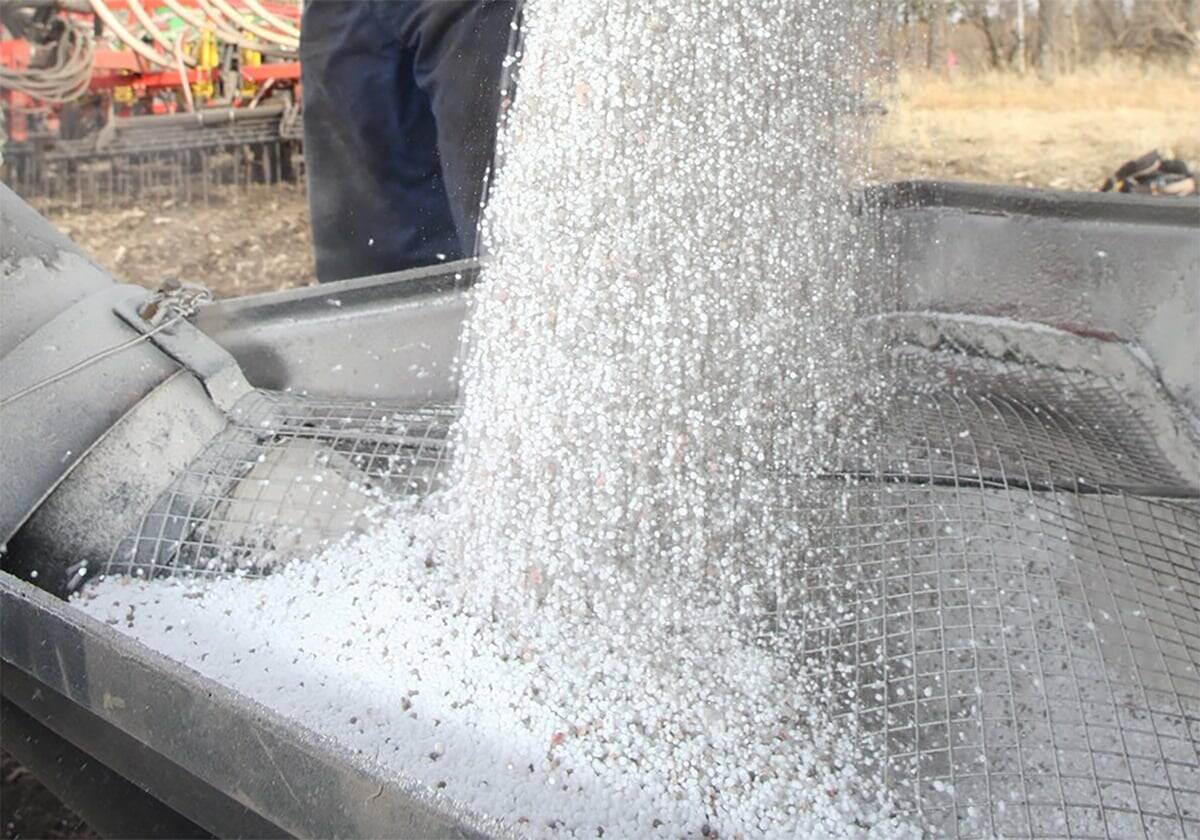
OPINION: Fertilizer price highs come with hard efficiency lessons
Sticker shock on crop nutrients may finally force an efficiency reckoning on the Prairies.
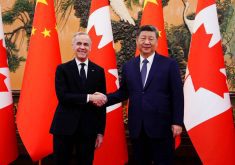
After trending steadily higher for all of 2026, the May canola contract hit a session high of C$758.40 per tonne on March 9 in sympathy with oil. That marked the strongest level for the futures on a continuous chart since June 2025. The lowering of Chinese import tariffs at the start of March contributed to the firmer tone in canola, but any actual business has yet to make its way into the official data.
May canola was about $20 off that nearby high just two days later amid the shifting war rhetoric. The general uptrend for canola remains intact, but several bearish technical indicators were flashing that the highs may be in for the time being.
However, chart signals and the fundamental news will likely take a backseat to the larger war-related market movements.
Iran war ripples
While U.S. officials have claimed the conflict will be brief, that seems unlikely at this time. The repercussions of the violence and damage to infrastructure will be felt in the energy markets for months, if not years, beyond the end of the current fighting.
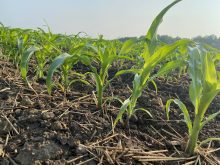
The rise in energy and fuel prices has led to a jump in fertilizer. Grain and oilseed markets may be seeing a war premium, but input costs have also risen. Those costs are going up just ahead of spring seeding, leading to questions over possible acreage shifts.
Statistics Canada released its planting intentions report on March 5, forecasting Canadian canola area for the 2026-27 at 21.8 million acres. That would be up by about one per cent on the year. The survey was conducted before China reopened its doors and bids climbed higher, leading some analysts to speculate that actual canola area could increase.
However, soybeans and other less input-intensive crops may now be looking more favourable. A sizeable shift in planted area one way or the other would normally be a market moving factor to watch, but that may end up a wash given the many competing factors at play in the fog of war.