Glacier FarmMedia — Pulse growers in the United States have a new market after a recently announced program from the U.S. Department of Agriculture.
U.S. Secretary of Agriculture Brooke L. Rollins announced Feb. 19 that the USDA intended to purchase up to $263 million in dairy and agricultural products from U.S. farmers and producers to distribute to food banks and nutrition assistance programs across the country.
“From milk and dairy to fruits, legumes, and tree nuts, these staples are essential for feeding families and sustaining America’s agricultural economy,” said Rollins.
Read Also
Pulse Weekly: SaskPulse optimistic despite input, crop price concerns
SaskPulse executive director Carl Potts is optimistic ahead of the planting season despite lower crop prices and the war in Iran.
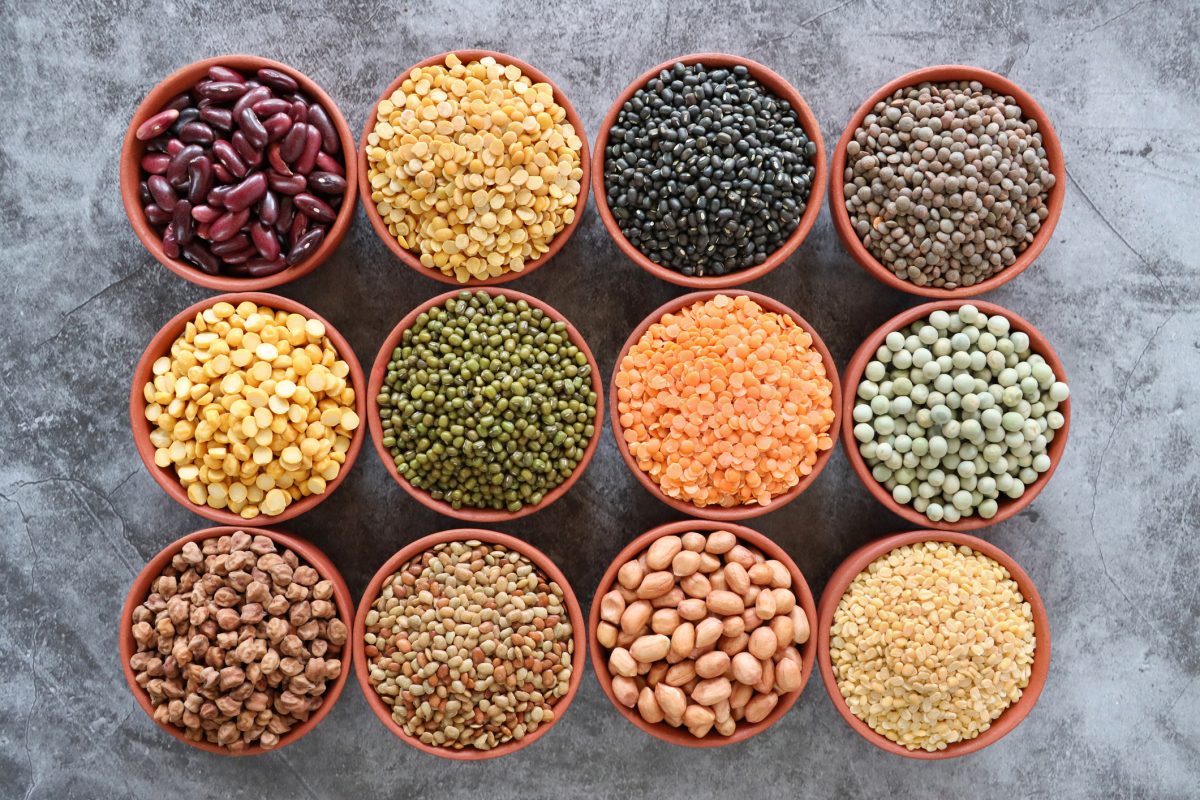
Pulses make up US$75 million of that total, with US$25 million allocated for edible beans, US$24 million for split peas, US$14 million for lentils and US$12 million for chickpeas. The remainder of the funds are slated for dairy, fresh fruit and nuts.
The purchases will be made through USDA’s authority under Section 32 of the Agriculture Act of 1935 with the stated goal of assisting producers and communities in need.
USA Pulses welcomed the move, with CEO Tim McGreevy noting in a Global Pulses report that the announcement provides “meaningful support for American pulse producers while helping deliver nutritious, affordable food to families across the country.”
He added that investment recognizes “the essential role pulses play in both uplifting rural and agricultural communities and promoting food security,” and noted the purchases will help “stabilize farm income, strengthen rural economies, and ensure food banks and nutrition assistance programs have access to shelf-stable, protein-rich foods.”