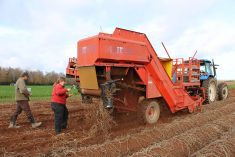
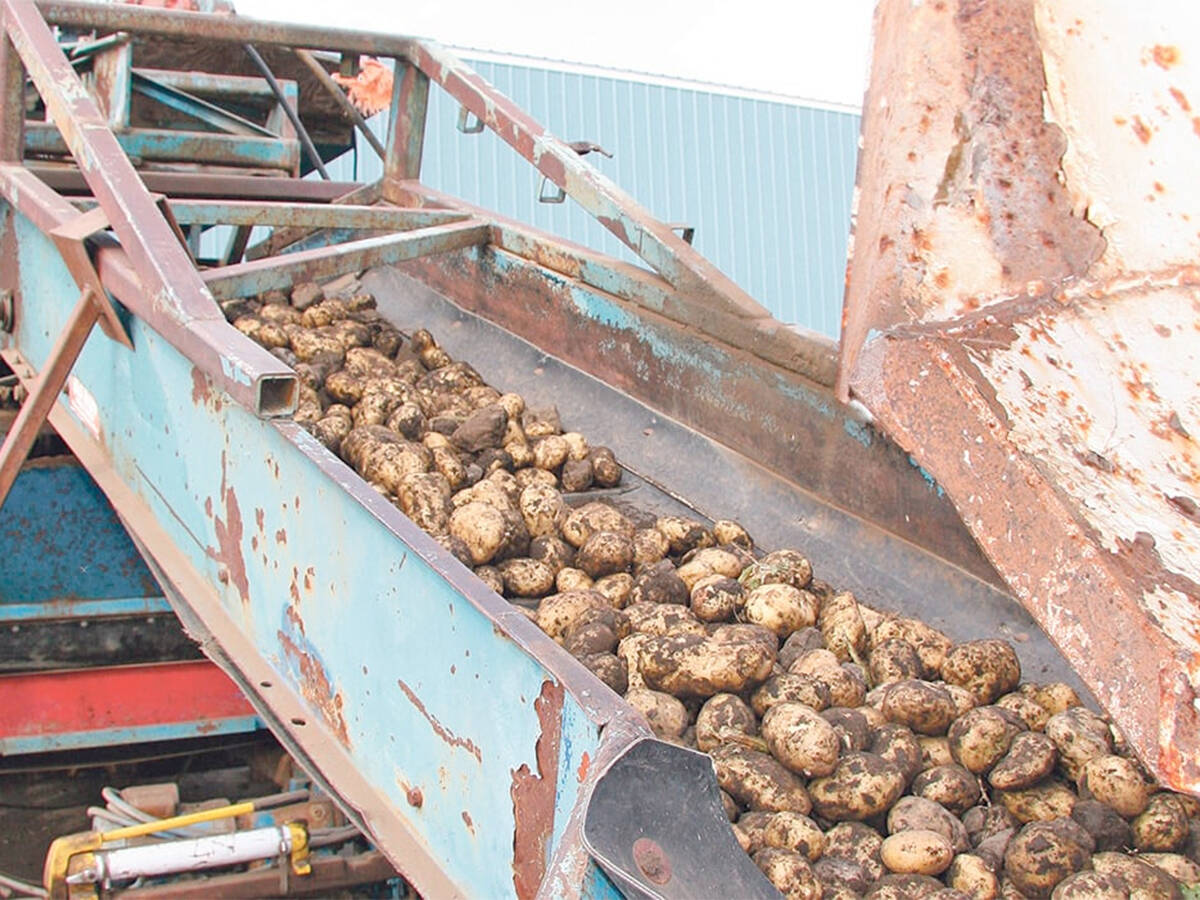
Manitoba potato growers should be paying attention to New Brunswick, the crowd heard in late January during Manitoba Potato Production Days in Brandon.
The old battle against potato virus Y (PVY) is becoming harder there, noted Tyler MacKenzie, research and development co-ordinator at the Agricultural Certification Services Lab of Potatoes New Brunswick, and it’s a sneaky problem. Infected plants are hard to spot. With the strains the region is dealing with, there often aren’t a lot of above-ground symptoms to warn of a budding issue.
Read Also
Winter grazing strategies offer cost relief for Manitoba cattle producer
How cover crops, straw and silage pile grazing fit in a western Manitoba rancher’s winter feeding plan — and how to make sure they meet cattle’s nutritional needs.
WHY IT MATTERS: Manitoba Agriculture is on the watch for aphid populations, known vectors for PVY, every year.
PVY remains the top cause of mosaic disease in potatoes, bringing down yields and tainting seed stocks, according to Agriculture and Agri-Food Canada. Growers know it by its common signs: stunted growth, vein banding, leaf drop and early death of plants, with infected potato crops often showing dwarfed size and crinkled leaves.
It’s also an insect management problem. The virus hangs out on the mouthparts of aphids who have fed on infected plants, spreading through a field. It doesn’t take much PVY in a field for seed potatoes to be rejected, resources published by AAFC note.
Necrotic strains like PVYntn have made the problem worse, according to research by MacKenzie and other potato virologists with the Agricultural Certification Services Lab.
These strains cause brownish necrotic rings in tubers while producing minimal leaf symptoms.
Research from potato commodity groups shows that the newer strains of the virus spread faster than older varieties, affecting more plants even when individual impacts were lower. The strains also cause severe tuber necrosis in susceptible varieties.
The problem has grown as New Brunswick’s potato industry consolidated, attendees heard. The number of seed growers has declined, while more operations mix seed production with processing crops.
“In recent years, you can see that the exclusive seed growers … managed to keep their PVY levels low, but the mixed growers really lost control of their PVY,” MacKenzie said.
Why management matters
But the data also showed growers using strict management practices kept infection rates low even during severe aphid years.
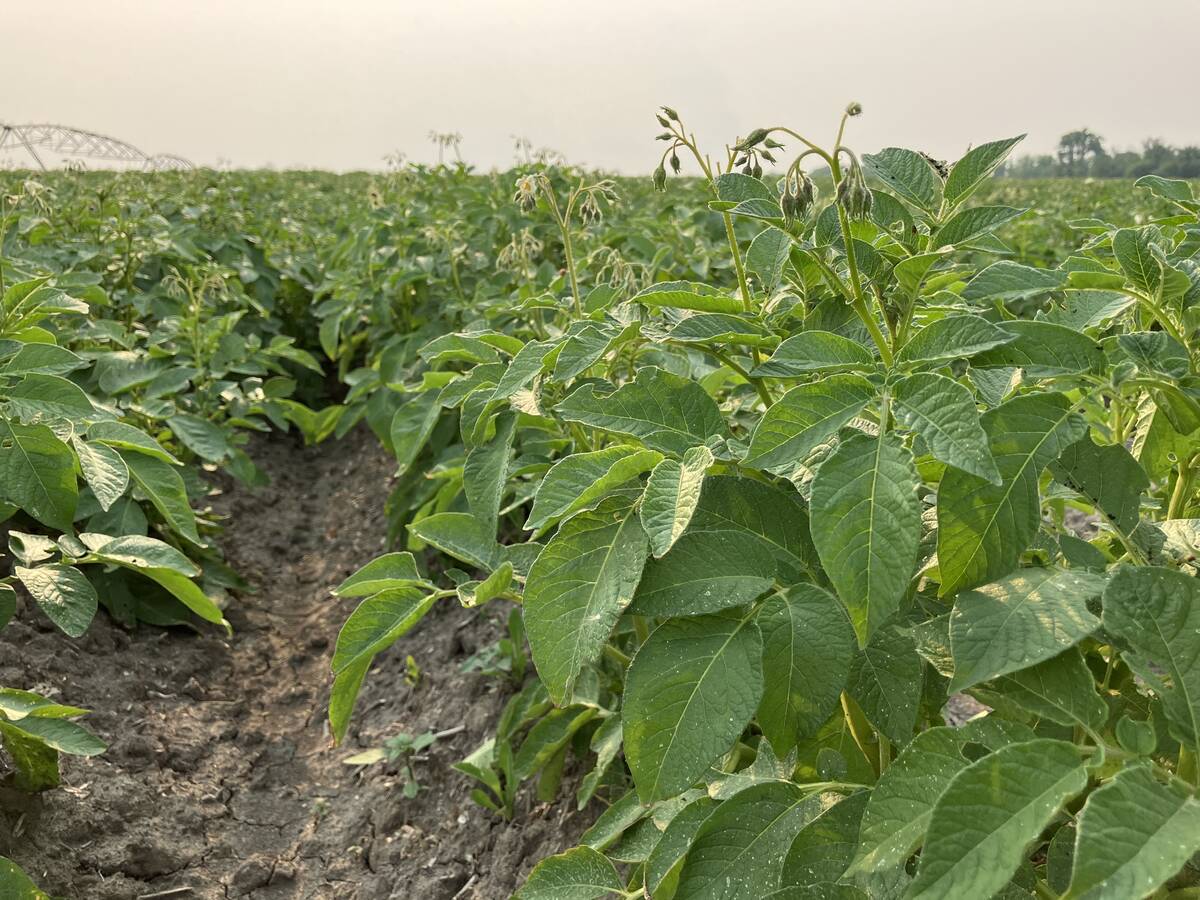
The virus can overwinter in tubers left in the field and is easily transmitted during seed cutting operations, or when poor handling causes tissue damage. Aphids, especially the green peach aphid, are the primary mode of transmission. Alternative host plants include other members of the nightshade, goosefoot and legume families.
The most effective control measure is using clean seed.
Fields planted with seed containing around two per cent PVY had five times the failure rate in bad years compared to cleaner seed, MacKenzie said.
Oil sprays as an aphid control also reduced infection rates. Growers applying at least two litres per acre of mineral oil weekly saw infection rates drop by half or a third compared to those using lower concentrations, research showed. Combined with strategic insecticide use and monitoring through aphid alert programs, these tools help growers control the disease, attendees heard.