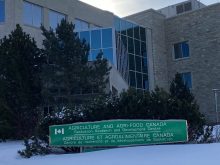
Cuts at Agriculture and Agri-Food Canada (AAFC) are not necessarily a bad thing, says a former provincial government official.
Greg Meredith, former deputy agriculture minister in Ontario, said trimming the bureaucracy and taking a hard look at what is working and what is not presents an opportunity for rebirth and renewal.
“If departments come out of it smaller as a result, I don’t think that’s necessarily a bad thing,” he said during a recent webinar hosted by the Canadian Agri-Food Policy Institute and RealAgriculture.
Read Also
Bushel Plus wins big at Canada’s Farm Show
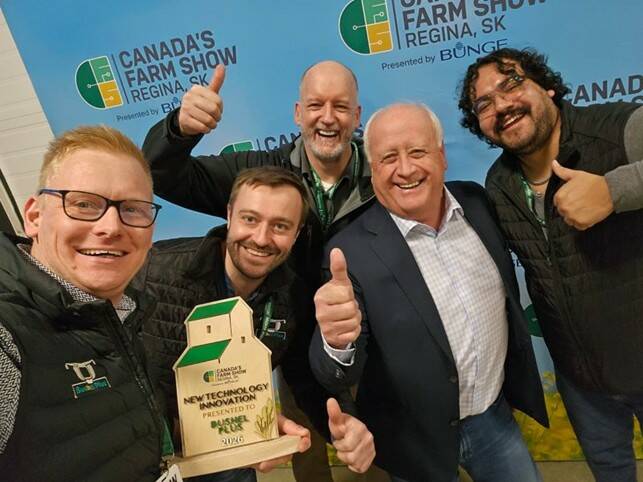
Bushel Plus took the Innovation award at Canada’s Farm Show in Regina for concave technology that cuts combine changeover time from hours to minutes.
WHY IT MATTERS: Steep cuts to AAFC and the Canadian Food Inspection Agency have been panned by a list of farm groups, who worry the cuts will be extremely detrimental to agriculture and agricultural research capacity.
Soon after he was elected, Prime Minister Mark Carney announced that almost all government departments would be required to cut 15 per cent of their budgets by 2028-29.
AAFC has already started announcing some of the cuts it will be making.
“I really do believe that the kinds of pressure that these departments and agencies are facing will stimulate innovation in the bureaucracy,” said Meredith.
For instance, he thinks the food safety system has been sclerotic for a long time and could benefit from a review.
Canada’s ability to examine and approve new agricultural technologies is behind virtually all other countries in the Organization for Economic Co-operation and Development (OECD).
He said it has become hugely expensive and time-consuming for creators of new technologies to get regulatory approval in Canada, to the point where they’re not even trying anymore.
“A trimmer, faster-moving, more agile CFIA is probably a good thing,” said Meredith.
Patching the patchwork
He also noted that provinces and the federal government need to take another look at the “hodgepodge, patchwork quilt” of food safety inspection rules and better harmonize with one another.
Francis Drouin, senior adviser with Capital Hill Group, agreed with him, noting that the CFIA has a shortage of inspectors, yet it continues to duplicate services in provinces such as Ontario and Quebec which have their own provincial inspectors.
“You mean to tell me that eating meat from a provincially regulated plant is not as safe as eating meat from a CFIA plant?” he said.
Drouin thinks the federal government should focus its work on provinces that don’t have their own inspectors.
“That’s the kind of innovation I want to see,” he said.
However, he doesn’t think those types of recommendations will come from the public service. They will have to be politically driven.
Drouin also agreed with Meredith’s comments about Canada’s burdensome food safety regulations.
“We need change because it costs too much money to do business in the food industry in Canada right now,” he said.
Backlash to cuts
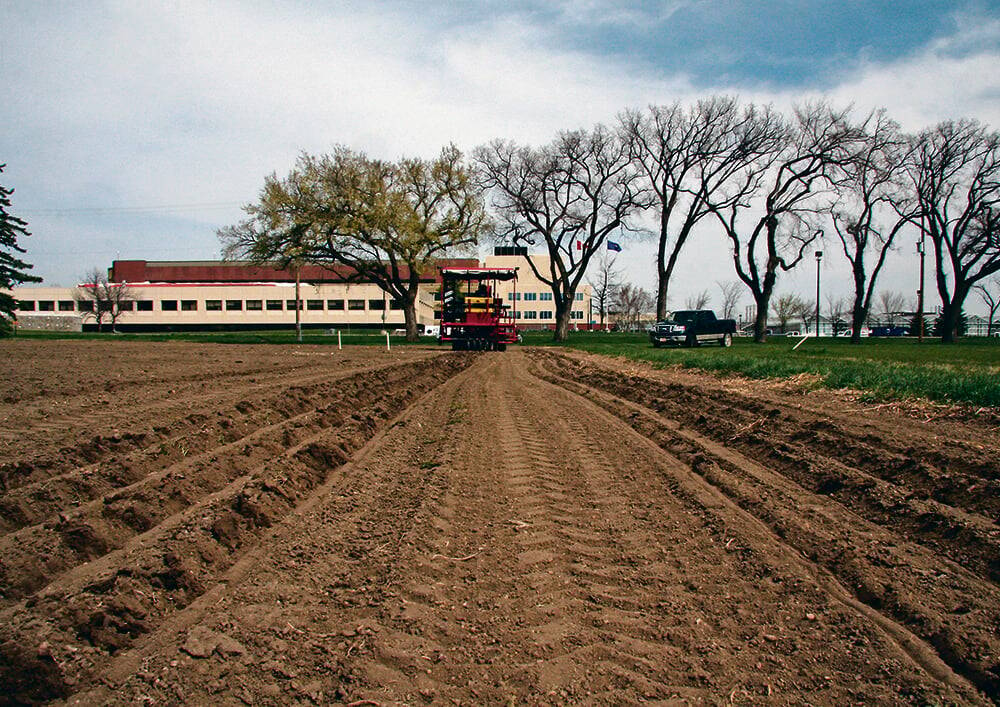
Cuts to agriculture research announced in late January drew concerned glances from agriculture after the announced termination of not only 665 staff, but the closure of seven research farms and centres.
The three Prairie provincial canola grower groups jointly called the cuts “alarming,” and called for urgent consultation with research funders to explore the impacts and possible alternatives.
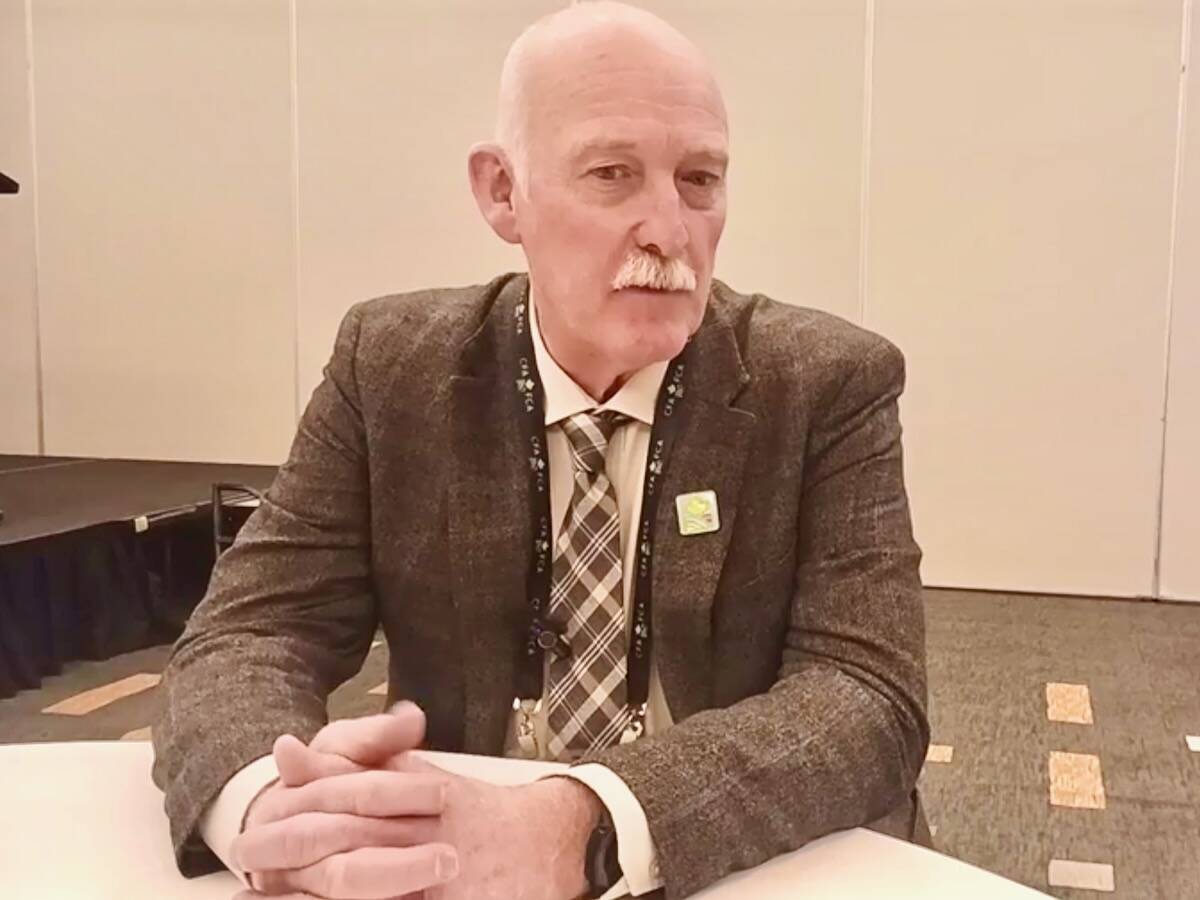
Reynold Bergen, science director of the Beef Cattle Research Council, said that while all knew cuts were coming, they were disappointed “that it appears as though the cuts were made without much consideration of industry priority.”
Keith Currie of the Canadian Federation of Agriculture called cuts a “necessary evil,” but also noted the CFA’s repeated concerns about lack of publicly funded research, while Canadian Wheat Research Coalition (CWRC) chair Jocelyn Velestuk called them “a tremendous loss to Canadian agriculture.”
On Feb. 5, the Manitoba Seed Growers’ Association also criticized the cuts.
“The cuts to Agriculture and Agri-Food Canada threaten the foundation of our nation’s food security, rural economies, and environmental resilience,” the association said in a release. “These reductions are not simply numbers on a balance sheet—they are cuts to the programs, research, and partnerships that sustain Canadian consumers, Canadian farmers, Canadian agri-entrepreneurs, Canadian value-added opportunities, and the Canadian communities that depend on them.”
The association went on to argue that “While it is true that private research capacity could pick up some of the vacuum left behind from AAFC cuts, there is concern that they won’t in every case.
“Research on organic production, agronomic pest reactions, forage, minor crops and soil health are not alluring, nor are they likely to appeal to private interests that are accountable to shareholders.”
An AAFC organic and regenerative research program out of Swift Current, Sask., is one of the programs known to have been cut.
Drouin said the devil will be in the details as to how damaging cuts will be to Canada’s agriculture sector, noting that bricks and mortar are the biggest expenses at those sites.
“Are they able to reorganize that research somewhere else without having to lose what research was done in that particular centre?” he said.