Soil moisture is one of the key building blocks of a successful crop — but it can be hard to tell what’s going on deep in the ground.
A national network of soil moisture monitoring stations is giving farmers and researchers a clearer view of underground conditions, helping them manage risk in dry years and make more informed decisions about crops, fertilizer and water use.
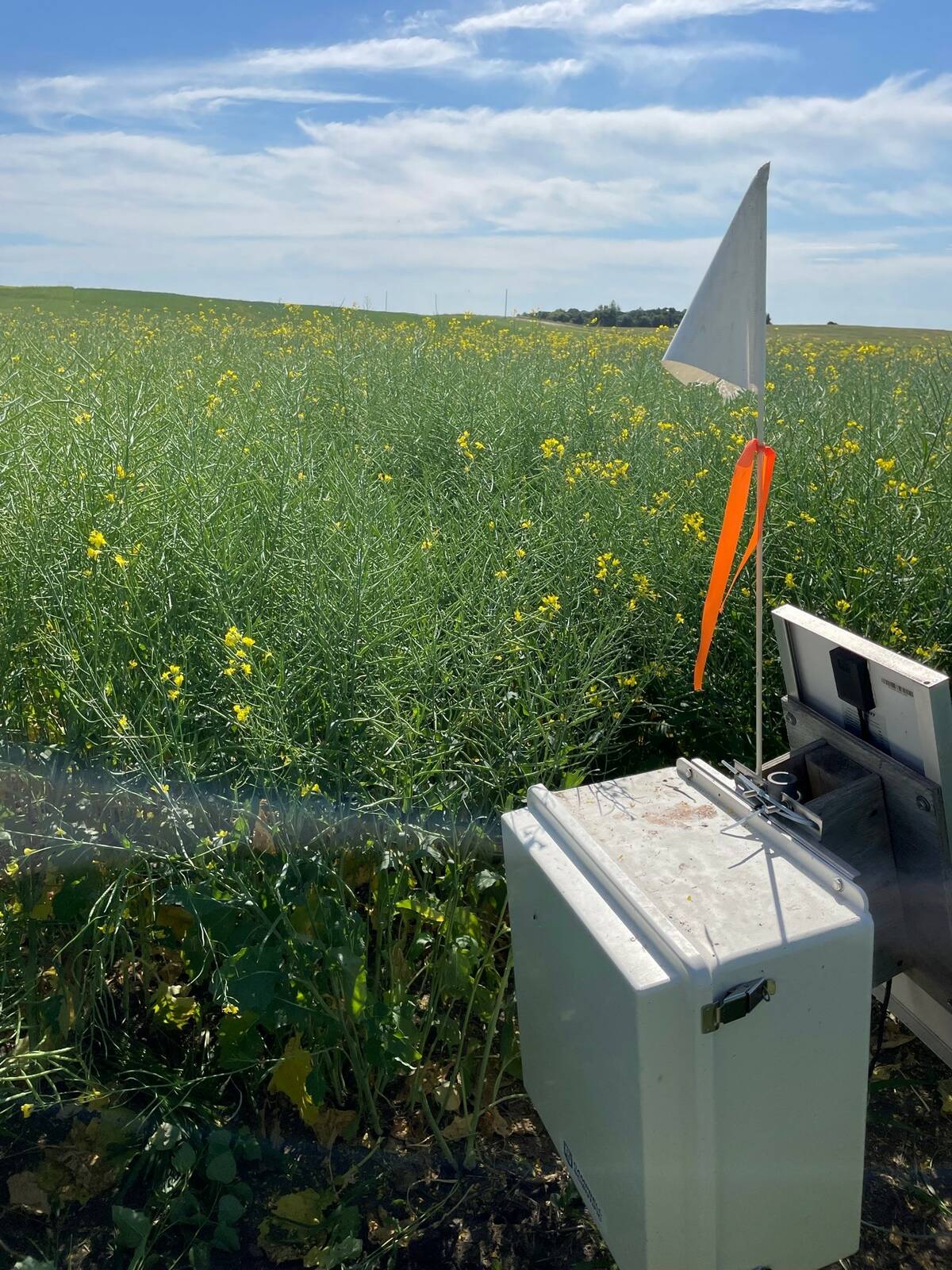
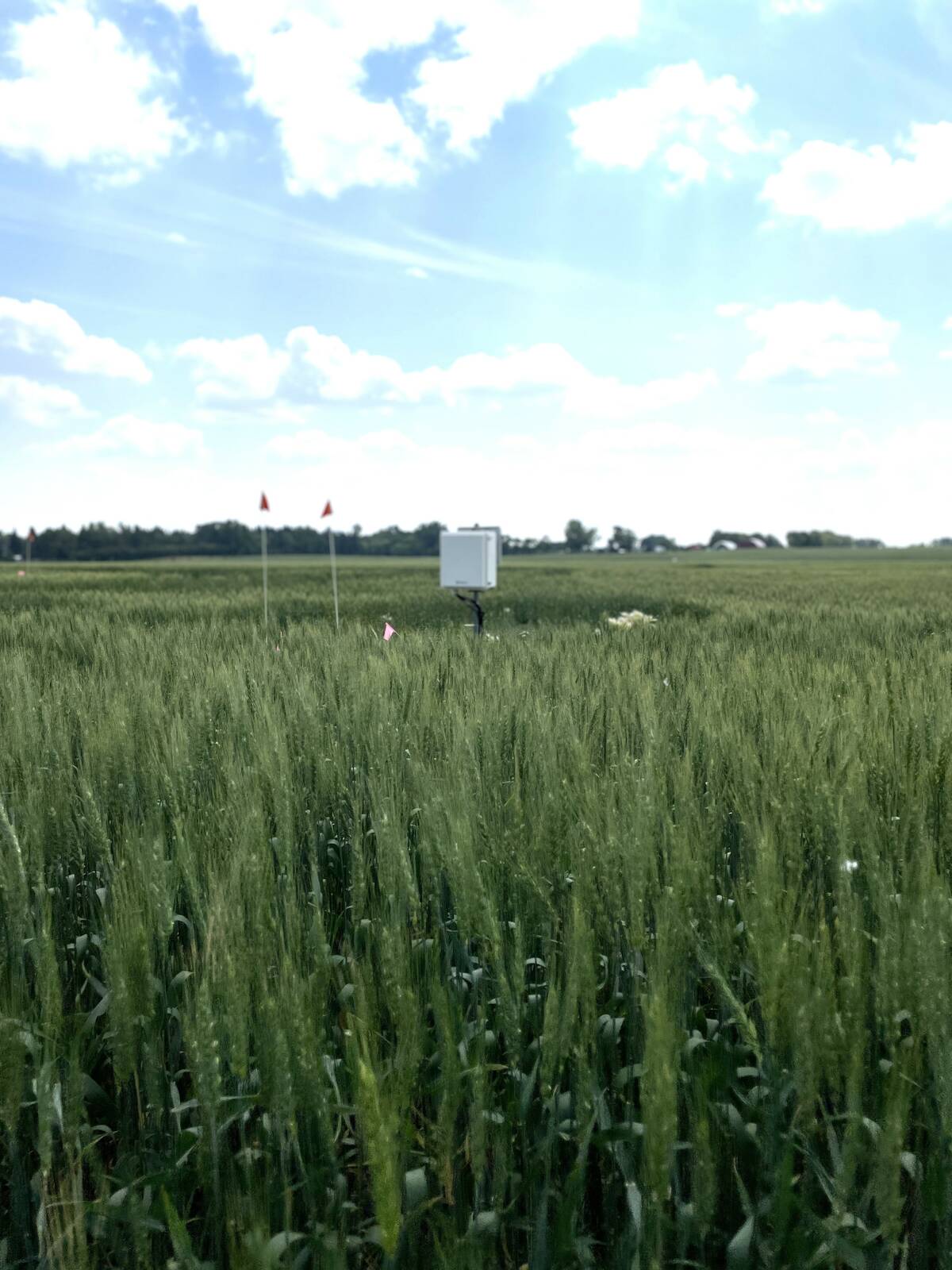
The Real-Time In-Situ Monitoring for Agriculture (RISMA) network uses field-based sensors installed across agricultural regions to track soil moisture from the surface down to one metre, with readings taken every 15 minutes. The data is used to support drought monitoring, satellite calibration and longer-term research into crop growth and greenhouse gas emissions.
Read Also
Farm sustainability means farmer wellness too
University of Manitoba LEAP program wants to talk farm succession, self-efficacy and community supports as part of agriculture wellness and sustainability study.
National network, local impact
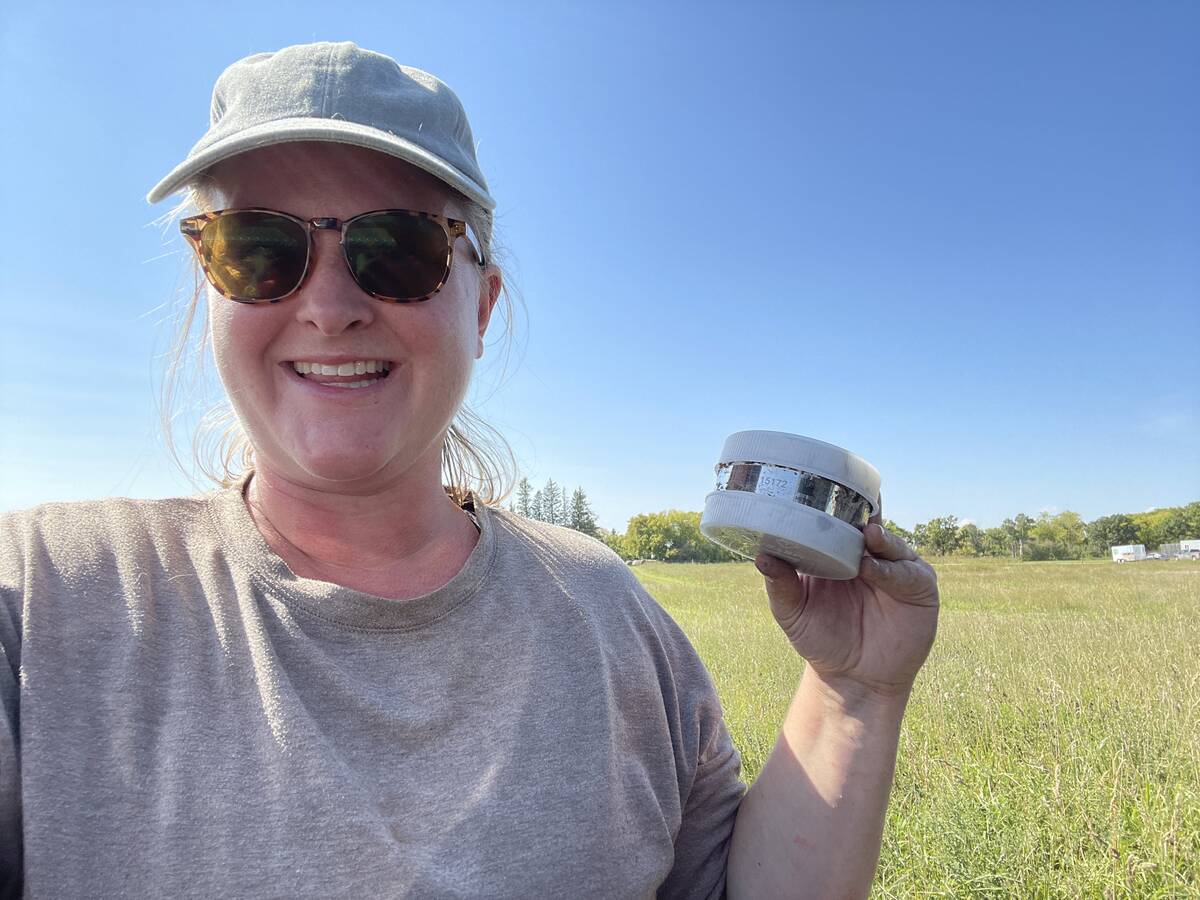
The goal is to make sure local conditions are reflected accurately in national and international monitoring systems, said Kayla Moore, a federal research scientist who works at the Brandon Research and Development Centre.
WHY IT MATTERS: As droughts become more common, soil moisture monitoring gives farmers better knowledge and tools to manage crops.
With Manitoba farmers facing challenges with droughts and floods in recent years, the work is more important than ever, Moore said.
“We’re here to build support on a national scale and at the local level to make sure that the conditions we have in Manitoba are being represented well.”
In the field
The RISMA network was developed in collaboration with the Canadian Space Agency, NASA and the European Space Agency to help calibrate satellite-based soil moisture readings for Canadian agricultural landscapes.
Stations are located across a range of soil types, from sandy to heavy clay, to capture how moisture behaves under different conditions.
“We’ve always kind of known it’s there, but now you can actually see it on the station and see that growing corn after edible beans is a great move because the ground is full of moisture.”
Warren McCutcheon
Partner farmers who host stations have access to the data and can use it alongside weather forecasts and field observations.
“There’s a lot of the precipitation data that ends up being used … for some of the surface things, like seeding decisions on timing,” Moore said.
On the farm
Warren McCutcheon, who farms near Carman, hosts two RISMA stations on his operation. While the data hasn’t replaced day-to-day decision-making, it has added valuable context, particularly during prolonged dry periods.
“The soil moisture is kind of a neat tool to see where we’re at throughout the season,” he said.
Watching how moisture moves through the soil profile has helped him better understand how long crops can stay viable during dry stretches, McCutcheon added.
“It’s really interesting to monitor,” he said. “It kind of gives us an idea of how long the crop can hold on without moisture, without precipitation, and it’s very different on different soil.”
During mid-summer dry spells, surface layers can be completely depleted, while deeper zones still hold usable moisture.
“In the middle of July, we were looking at these weather stations and seeing that the top 10 cm or 20 cm was tapped out … but the 30 to 50 cm range was still basically at water holding capacity,” McCutcheon said.
That information has reinforced crop rotation choices, particularly planting corn after edible beans, which rely more on surface moisture and leave deeper reserves intact.
“We’ve always kind of known it’s there, but now you can actually see it on the station and see that growing corn after edible beans is a great move because the ground is full of moisture,” McCutcheon said.
Fertilizer and climate research
The data is also being used to support research into fertilizer efficiency, greenhouse gas emissions and irrigation planning, Moore said.
“Soil moisture is a major contributor or controlling factor in how those fluxes occur,” she said.
“So we’re looking at what difference there is between carbon sequestration based on soil moisture, as well as support with nitrogen, fertilizer, things like that.”
While the network now has nearly 14 years of data, Moore said it is only beginning to reach the point where long-term trends can be identified.
For McCutcheon, the biggest value of RISMA is as a risk management tool. It’s one more piece of information to consider in an increasingly unpredictable climate.
“It’s just another tool in the toolbox,” he said. “It’s just something that’s good to see.”