I hope this article will give producers some points to help explain to urban folk the many good things they do to produce high quality beef for the consuming public.
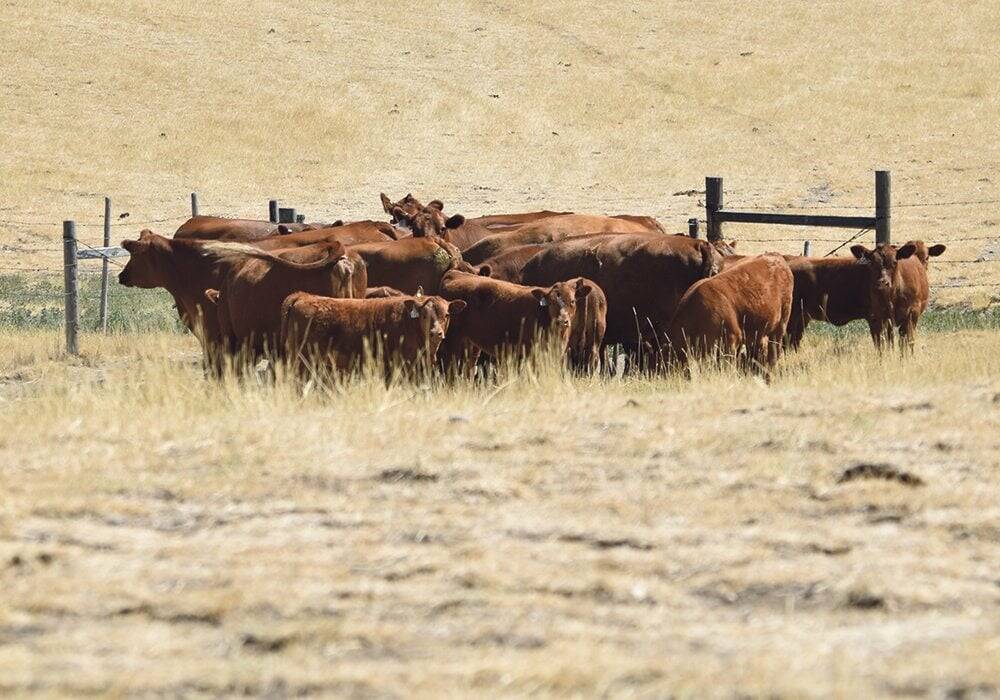
Producing cattle has changed a lot in the past few decades in Canada.
Organizations such as Alberta Beef Producers, the Canadian Cattle Association and the many purebred breed associations provide leadership and help guide where the industry is headed.
Read Also
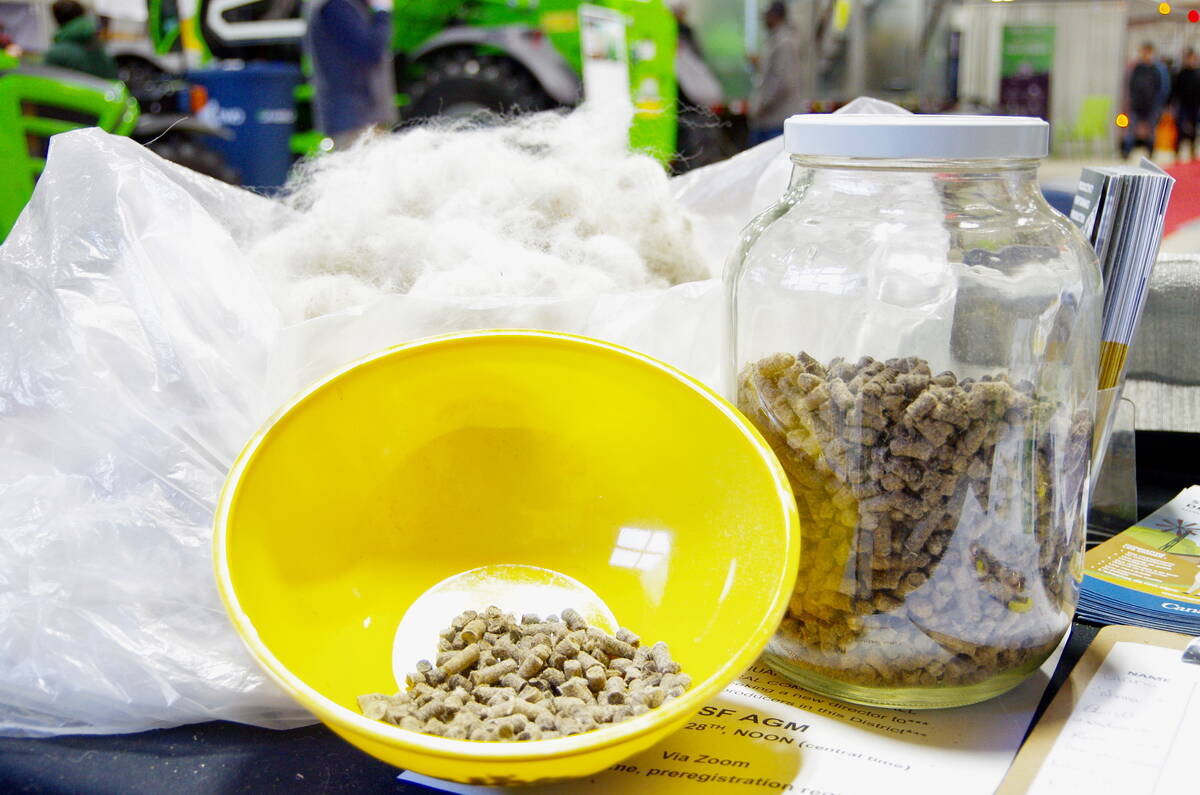
Wool pellets open new markets for Manitoba sheep farmers
Pellets from waste wool may offer new revenue for sheep farmers and a sustainable soil amendment and fertilizer for horticulture.
Professionals such as nutritionists, veterinarians and the pharmaceutical industry add to the production of wholesome, nutritious, affordable and safe beef in Canada.
4-H clubs and their members learn and act on the same methods and management strategies that have made producers successful in producing cattle.
As a former 4-H member myself, the motto of “Learn to do by doing” is never truer than in the organization’s beef projects.
The industry uses terms such as preconditioning, stress-free cattle handling, one health, antimicrobial resistance, antibiotic free and animal welfare, but they can be misconstrued and confusing to the general public.
I want to provide some clarity about where the cattle industry is progressing and how 4-H beef projects highlight this.
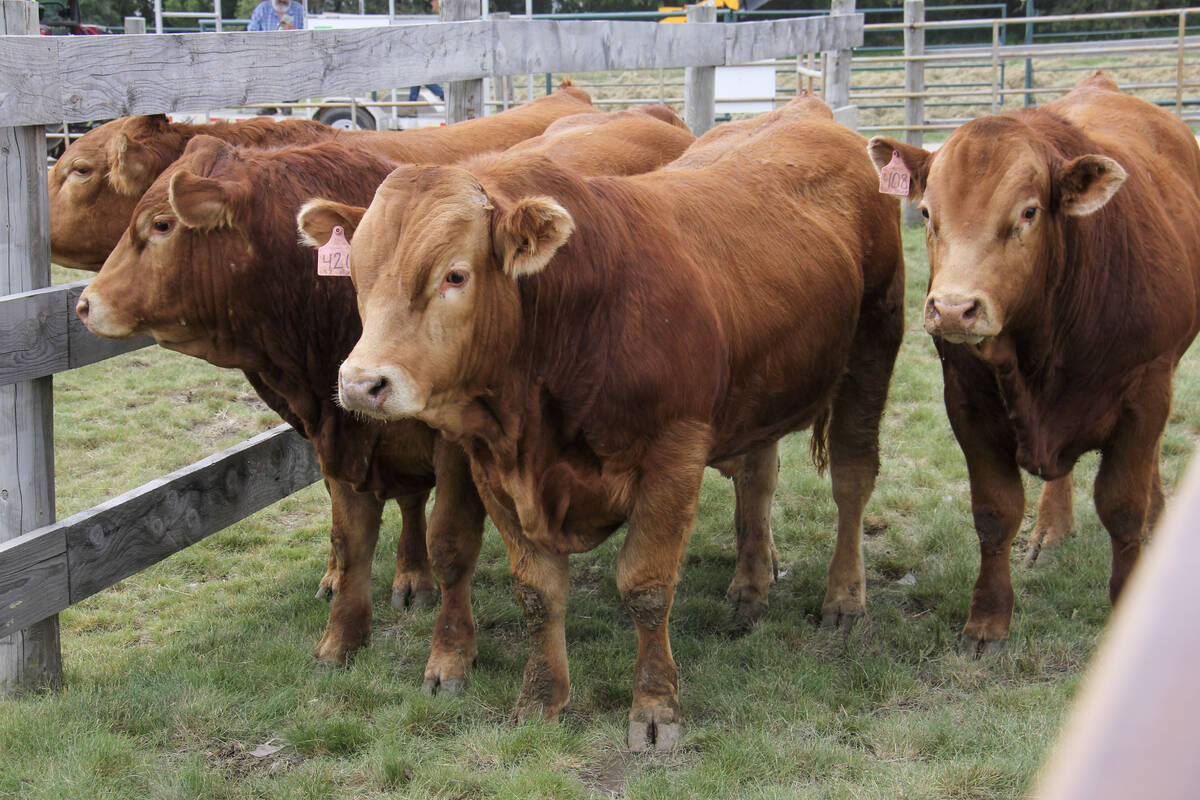
The sector has been able to produce more quality beef with less resources using improved genetics, crossbreeding and selection for traits such as calving ease, longevity, milking ability and carcass characteristics. This is an environmentally good story.
Increased feed efficiency has improved the feed-to-gain ratio to four pounds of feed for one pound of gain.
The largest cost in cattle production is feed, so any improvement is economically beneficial.
Balancing feed rations to maximize health and growth has also helped.
Of course, cattle raised for meat and growth are fed differently than the heifers and cows fed for reproduction.
Anything that affects health affects growth, which is why routine treatments are undertaken for internal and external parasites.
Many 4-H calves come from farm-raised stock, where true preconditioning is practiced, which means calves are immunized before weaning and then weaned with minimum stress.
Increased use of vaccines for respiratory disease and other common cattle diseases such as clostridial diseases are routinely practiced, which helps ensure minimal antibiotic use.
Please note that there are no antibiotic residues in meat.
The antibiotics and vaccines that producers use are approved for cattle and have recognized meat withdrawals, which producers closely follow.
Trying to raise cattle totally without antibiotics could become an animal welfare issue.
Much like people, if they have severe pneumonia and it is caused by a bacterium, we need to give antibiotics or they will die.
All medically important antimicrobials are under the supervision of veterinarians. This is to ensure producers know when to use antibiotics and which ones to use.
Dosage and withdrawals are also reviewed, as are vaccination protocols to help ensure healthy cattle are produced.
Cattle producers are fully educated as to what their cattle need and are very aware and follow animal welfare guidelines, including the beef code of practice.
If they do need to administer antimicrobials, they make sure to use the right drug for the right condition and at the right dose.
Veterinarians can always be asked about these decisions.
They are also on the lookout for antimicrobial resistance, which results in antibiotics that no longer work.
A lab test can be done to confirm if resistance has developed.
Human medicine does this routinely, and the development of easier and quicker tests will likely result in more testing to determine which antibiotic will work best.
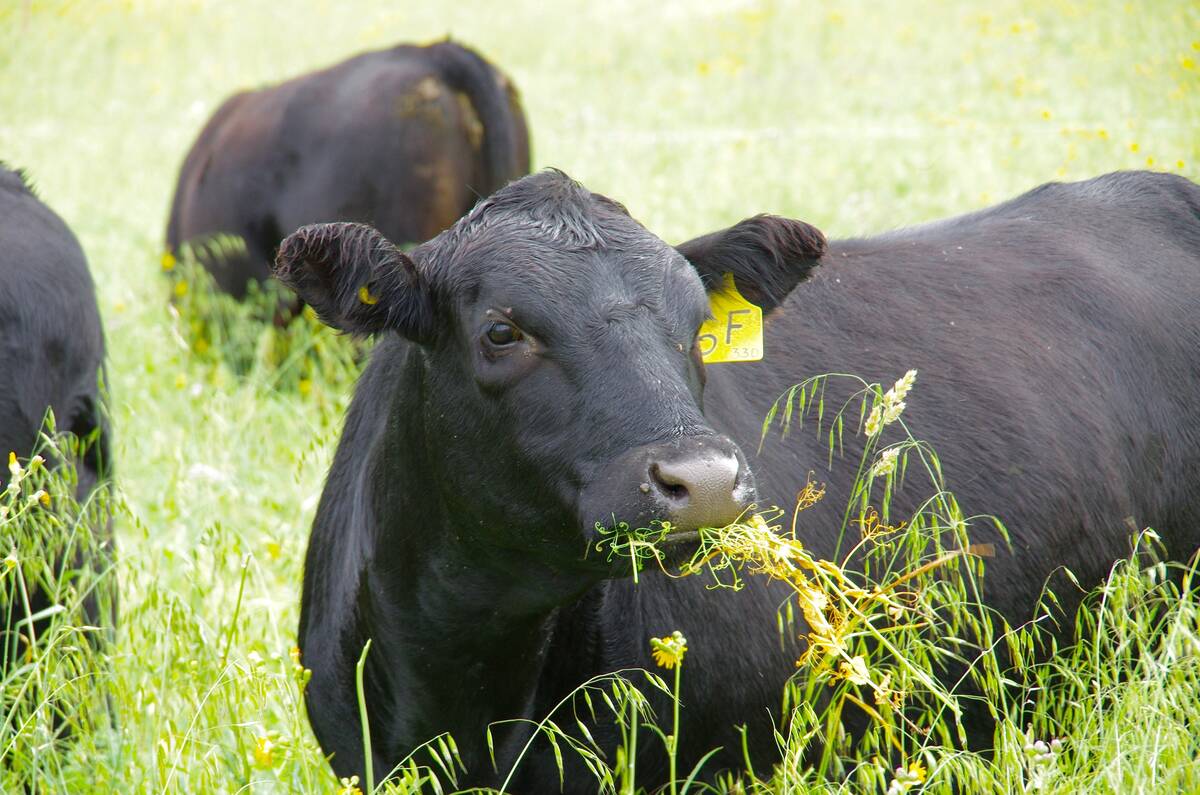
Growth implants are used in 99 per cent of the cattle produced in Canada.
They are extremely safe and have been around for more than 50 years. Because the implant is placed in the ear, there is zero withdrawal for the meat.
We castrate calves in this country to prevent unwanted behaviour in intact bulls and a condition called dark cutters in the meat.
Growth implants simply replace some of the hormones lost from castration. This results in cattle that do better and have improved feed efficiency, which means meat can be produced more economically.
A tremendous amount of progress has been made in reducing and treating pain.
Veterinarians have at their disposal a vast array of NSAID’s (non-steroidal anti-inflammatory drugs) to prescribe for painful conditions.
In most instances, painkillers are prescribed for disease or injury recovery, hard calving, lameness, castration and dehorning.
There may not always be economic gain, but it is simply the right thing to do, and recovery is quicker.
The beef code of practice, which we all live by, is based in large part on animal welfare. There are codes of practice for all the farm animal species in Canada, including bison, veal, and dairy cattle.
More advancement in products and earlier disease detection will help producers identify and treat sick cattle quicker.
Together with the medical profession, they are using all the advancements in cattle production to reduce antibiotic resistance so that medication use, when necessary, will have a better response in either veterinary or human medicine.
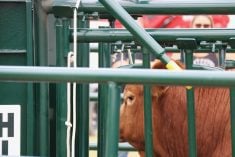
From handling cattle to loading and processing, producers are finding new techniques to reduce stress on cattle. Better handling facilities make processing a very efficient, worthwhile and safe event for cattle and farm workers.
Consumers should be very confident in the quality, safety and stress-free conditions in which cattle are raised.
Meat protein will continue to be in high demand, and the next generation of cattle producers, including former 4-H members, will help ensure this.
The cattle industry has great potential in the years ahead to help feed the world with this high-quality meat protein.
Cattle prices have never been higher, and I hope they bode well for the next generation of producers.