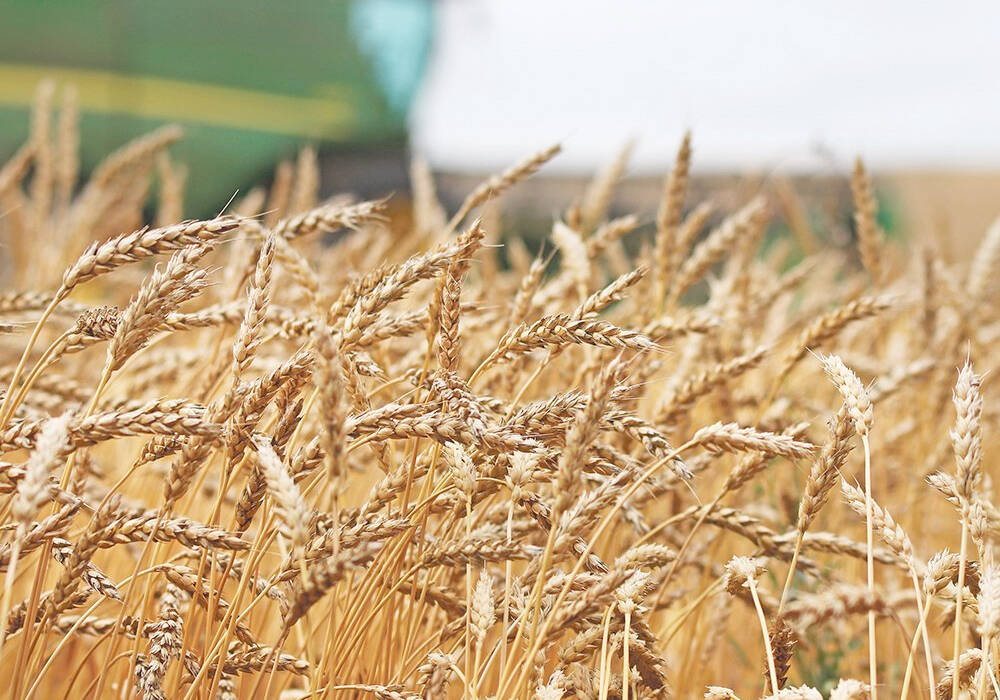
A severe storm across much of the United States Plains sent a bullish shock through lacklustre wheat futures in late January. Freezing temperatures raised concerns about winterkill for dormant winter wheat fields.
However, a heavy blanket of snow accompanied the frigid temperatures in many areas and the initial burst of strength proved brief.
Cold weather in central Russia and the Volga region was also being followed by wheat traders. While snow cover was deemed sufficient to limit damage, forecasts were turning warmer for early February. Some analysts were raising concerns over the possibility of early sprouting.
Read Also

Iran war volatility sends shock waves through agricultural markets
Here are the numbers on how badly fuel, fertilizer and grain markets have been thrown for a loop by the conflict in Iran so far.
Spring wheat futures found spillover support from the gains in winter wheat, despite seeding still being several months away. While there is still the possibility of more weather-related movement in wheat, the broader outlook looks like sideways trade will persist for the time being.
Market numbers
March spring wheat hit a contract low of US$5.6050 per bushel on Jan. 16, but was about 10 cents off that low a week later and facing its next nearby resistance level, around US$5.80/bu.
Some of the strength in the U.S. wheat futures was also linked to weakness in the U.S. dollar index, which fell to its lowest levels in four years. The weaker U.S. dollar corresponded with strength in the Canadian dollar, which limited any supportive influence from the futures on Prairie cash bids.
Canadian wheat exports continue at a solid pace, largely unaffected by any of the various tariff threats facing canola and other crops.
Canada has exported 10.9 million tonnes of wheat through 24 weeks of the 2025-26 marketing year, according to Canadian Grain Commission data. That’s up from 9.7 million tonnes at the same point a year ago, and a record pace for wheat exports.
Final planting decisions are still being made and are likely to see some adjustment following the lowering of Chinese tariffs on Canadian canola, but early projections from Agriculture and Agri-Food Canada expect wheat area to remain relatively steady with the 27 million acres planted in 2025.
Of that total, durum area is forecast to decline by 6.9 per cent to 6.1 million acres, while other wheat is expected to increase 2.2 per cent to 20.9 million acres. A return to average yields would see total wheat production down 12.5 per cent on the year, at just under 35 million tonnes, the department predicts.