The best health and production information for your herd can often come from a well organized and presented producer meeting.
These take on many forms, and I was involved in many when I was with the pharmaceutical industry.
I always encouraged the local veterinarians to speak on topics specific to their area because producers trust their local veterinarian’s knowledge, thoughts on new advances and opinions on what they read about.
Read Also
Manitoba lamb price high on tight supply
Manitoba lamb prices in 2026 rise sharply from last summer’s dip, not only from the Easter upswing, but decent demand and tight supply.
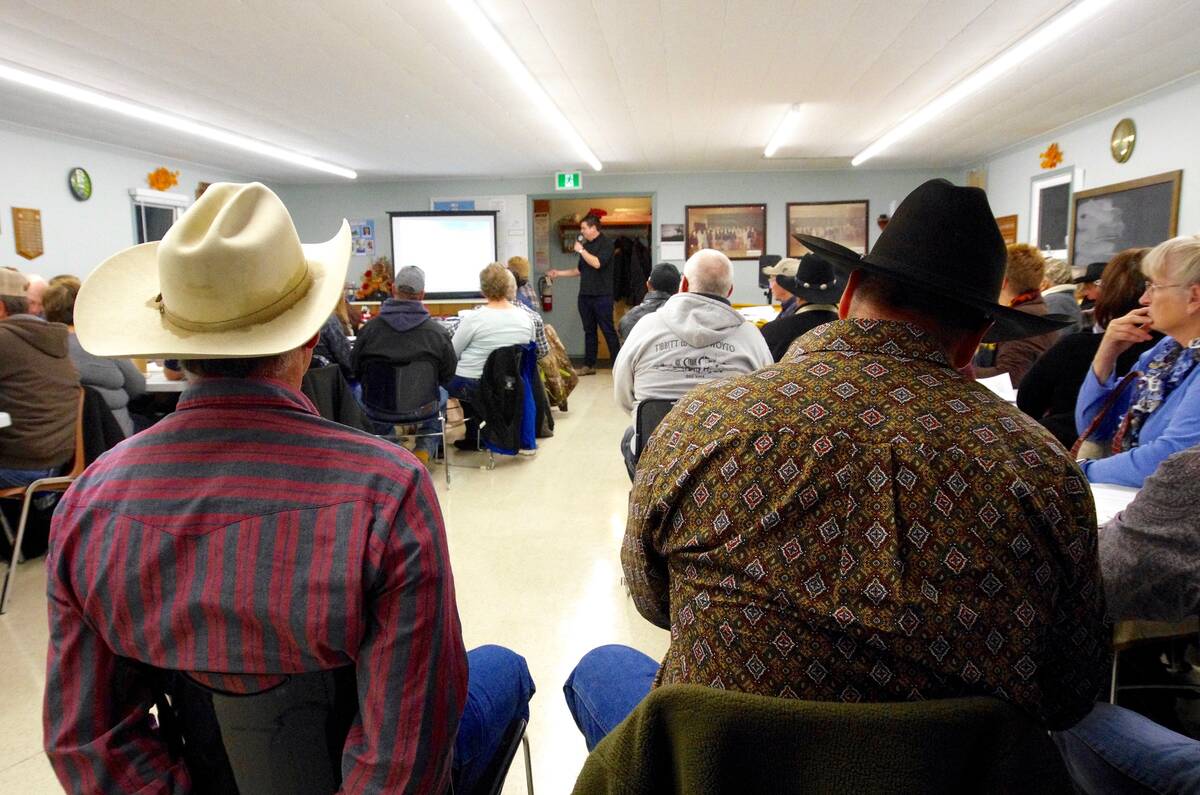
The latest meeting that I was involved with was in Westlock, Alta., as one of several speakers. Many important points were raised that may have helped the clinic’s producers.
This meeting is generally held every other year, so attendance is good.
The display booths are well attended and good questions.
I always encouraged the local veterinarians to speak on topics specific to their area because producers trust their local veterinarian’s knowledge, thoughts on new advances and opinions on what they read about.
Roy Lewis
As well, there is always great networking among the progressive clients who attend.
Having many of the pharmaceutical companies in attendance, as well as banks and other distributors allows producers to ask questions and pick up information.
Their presence says they support the clinics, and they are able to provide information about their products.
This is good because we need many companies serving the veterinary cattle sector, and it’s valuable to know about alternative products in case others are in short supply.
Cattle vaccines
One veterinarian presentation was about vaccines.
Producers were told that the diseases they need to vaccinate for and the timing of administration as well as handling of the vaccine is much more important than the brand name.
Many vaccines can be interchanged, and while companies understandably promote their products, they can be substituted for another.
This is why it’s critical to have yearly conversations with a veterinarian about vaccine protocols.
Clinics may change vaccine lines or have two available because of short supply.
Calving occurs generally over two months, so producers try to hit peak immunity in the first third of calving season.
Producers always like to hear about the new advances, especially if they benefit their herds.
There was a presentation about the appeasing products — FerAppease, CattleZen and DeStress — from an objective third party (the veterinarian), which went over well with producers because they can compare the advantages of all three products.
Clients trust the products recommended by veterinarians because of the nature of their work.
Third-party veterinary experts
Veterinarians are sometimes told we are in a conflict because clinics sell the products that they recommend. In the presentations at the Westlock meeting, veterinarians provided good, better and best vaccination scenarios so producers could see the difference in the products.
One veterinarian at this clinic does embryo transplant work as well as some in vitro fertilization, so clients have that possibility.
The narrative was really about producers helping their best cow produce many more calves in her lifetime.
Semen and embryos are the mainstay of “frozen” sales, and the purebred industry has evolved away from export and import of live animals and toward exporting and importing frozen genetics.
Some clinics are offering more reproductive services, including synchronized breeding.
Another veterinarian has a real interest in feet and hoof issues and has a tilt table, which is important for clients to know.

Some clients phoned in their questions, which were answered during a question-and-answer session.
Questions ranged from what to do with an abscess to what is the most frequently used treatment for pneumonia to what to do or not do about warts and ringworm.
The answers came from practising veterinarians who do these things every day.
Other presentations included lots of examples of practice tips, such as paying attention to where claw amputations could extend a productive life and how deworming and lice treatments and their application are changing.
Other topics included handling vaccines properly, the safety of implants, how to implant and the accuracy of pregnancy checking cows and the value of this information for clients.
I hope other clinics considering holding their own producer meetings and spreading the word about services they offer, new developments and the expertise that is available.
They can partner with nutritionists, the pharma industry, banks, foot trimmers and provincial and federal veterinarians.
This networking creates trust with clients, and I hope other clinics and producers use this article as motivation to have a producer function in their area.