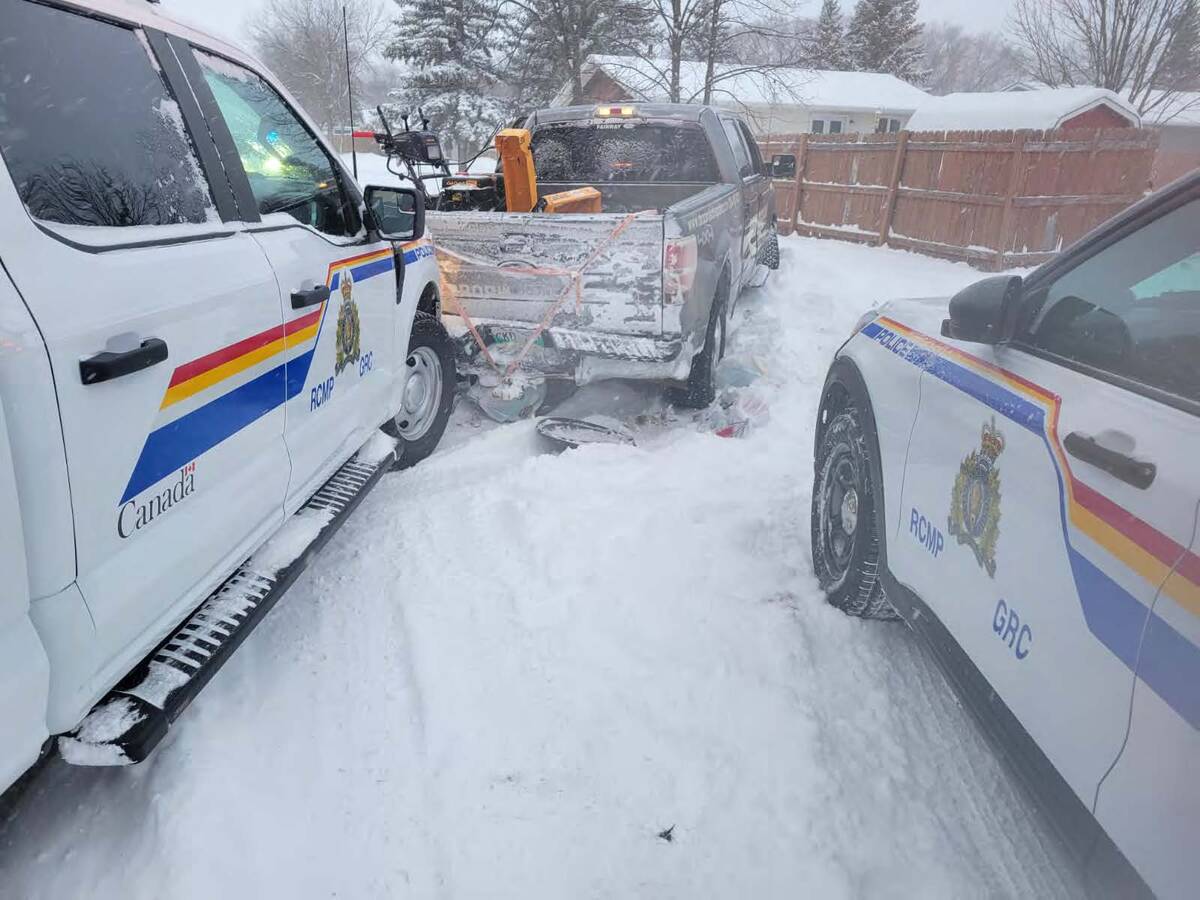
Farmers are hearing a lot about rural crime in the last couple of years.
There have well publicized break-ins, livestock and equipment thefts, seizures of weapons and stolen property. Underpinning that, farmers said, it takes a while for police to get out to a call on Prairie farms, and long response times are among the issues that organizations such as Keystone Agricultural Producers have noted from their membership.
Manitoba’s general farm group has been pushing for legislative reform and resources to give local police more tools and reduce crime rates. They’ve also targeted the issue with their membership, running educational events covering landowners rights and encouraging pre-emptive steps among Manitoba farmers.
Read Also
Who pays for plant breeding? A renewed push for farmer levies
With fed support on the decline, grain sector faces tough choice: pay more out-of-pocket or fall behind global competitors.
WHY IT MATTERS: Rural groups such as Keystone Agricultural Producers have been lobbying for improvements to law enforcement outside of city limits.
“We really recommend that farmers review their insurance policies and make sure that they inventory valuable items,” said Jill Verwey, KAP president. “That’s something that I think that you need to have now, whether that’s even in the case of fire to make sure that you have everything documented.”
There are also general safety practices noted by farm groups and officials:
– Farmers may want to invest in better yard lighting, with motion sensor lighting considered the top option.
– General due diligence should be followed, such as locking all farm buildings and the home, taking keys out of vehicles and equipment and locking vehicles.
– Learn who your neighbours are, both so you can recognize them and share any suspicious activity observed.
– Get a large guard dog.
– Concerned farmers can start a citizen watch or rural crime watch group. Provincial associations for Alberta and Saskatchewan publish relevant resources.
– Place security cameras at entry and exit points of buildings and the property, or any areas that could be considered high traffic. These should be angled to capture vehicles and faces of offenders. It’s a good idea to have a combination of visible and non-visible cameras.
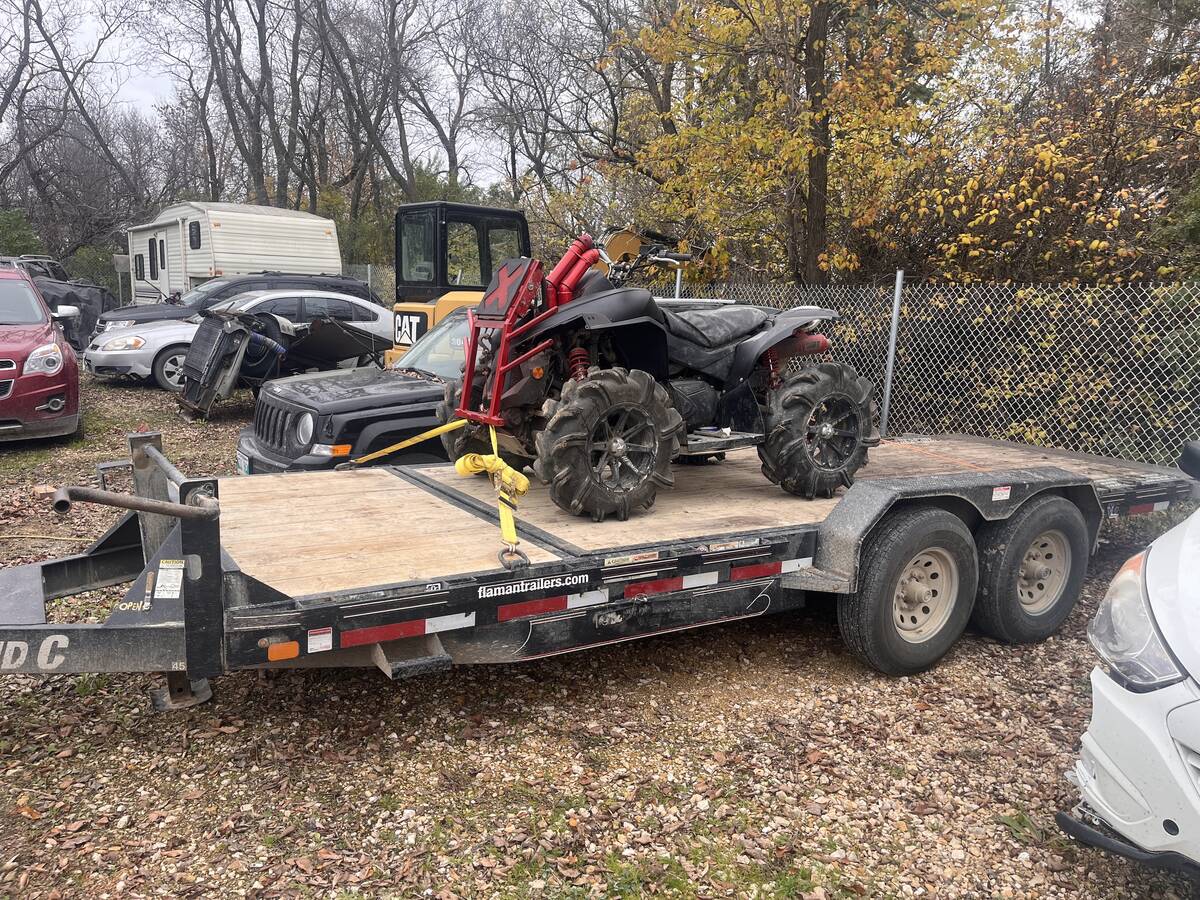
Alberta RCMP Corporal Troy Savinkoff pointed out the importance of cameras. They’re deterrents to offenders and provide officers with documentation.
“If you’re looking at multiple cameras, or a trail camera, you could set it up in a less obvious spot, for instance, further up in the property, where the offender may not be covering the face,” he said. “But if you only got a camera or two, certainly put them in the areas that are most likely the entry and exit areas.”
His biggest safety tip is to always communicate situations and suspicions to police — even benign or innocent. Someone coming to the door to ask for directions, for example, could also be casing the property to see if anyone’s home, he said.
Verwey also encouraged farmers to pick up the phone and make the call.
Farmers making a report are encouraged to take note of information like vehicle description, license plate, time of day and description of any people.