Voters cast their ballots for many reasons.
Often it’s ideological or cultural, but it can also be based on personalities as voters gravitate toward someone they like or snub someone they have a distaste for.
It doesn’t seem logical to vote for a politician or political party that is going to cause one harm. But what happens when the evidence becomes overwhelming that the promised actions of an otherwise attractive politician are clearly not going to be in the best interests of a certain group of voters? And what happens if that group of voters goes ahead and votes for that politician anyway?
Read Also
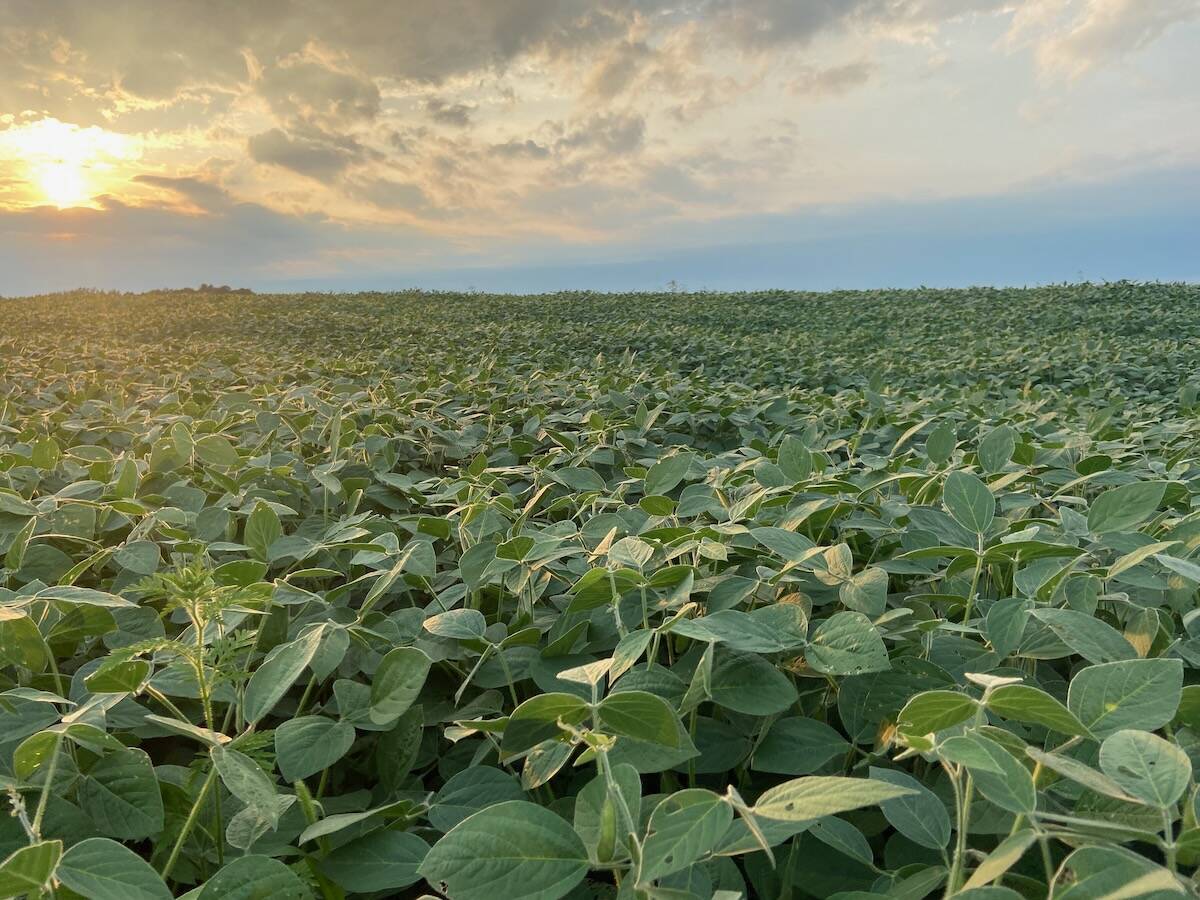
Weed resistance closes in on glufosinate
Expanded soybean acres and tighter application windows have eroded buffers that have so far protected Liberty herbicide on Prairie farms
That’s what’s playing out in American farm country these days.
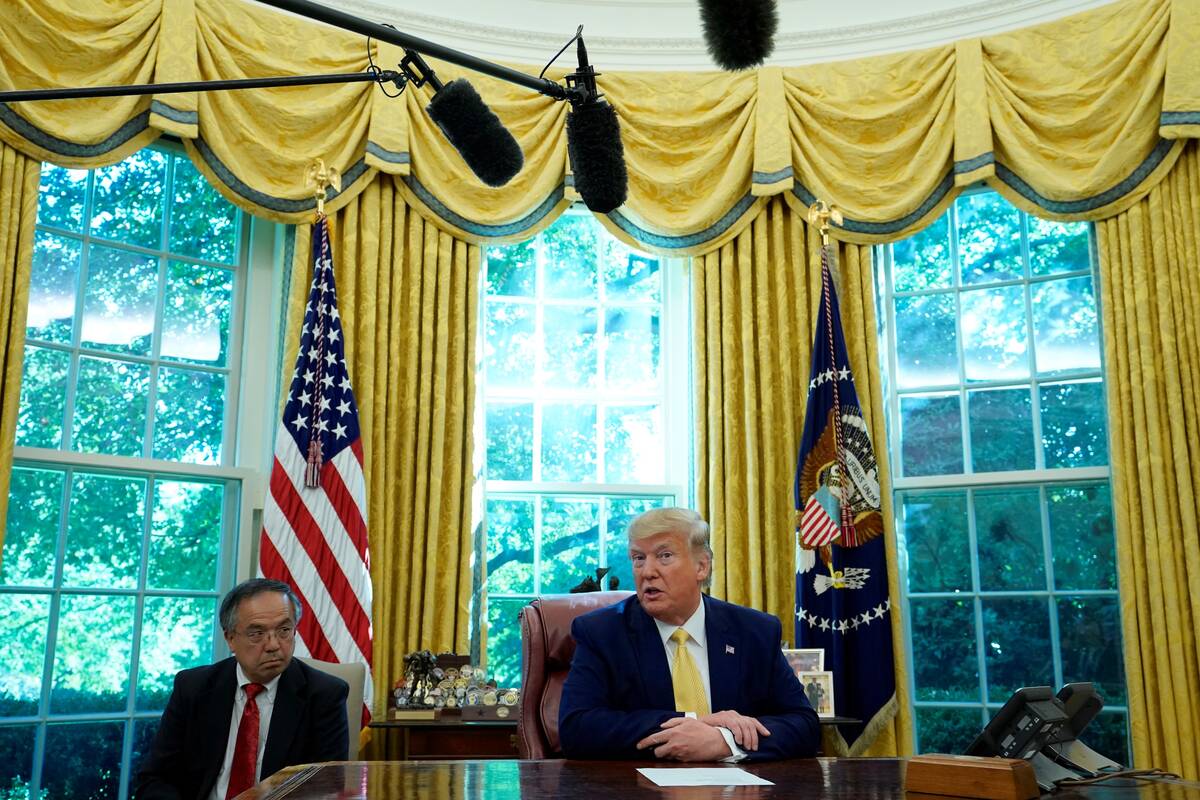
U.S President Donald Trump has left many clues over the years that many of his actions weren’t going to necessarily be in the best interests of American farmers.
The damaging tariff war with China in his first term should have given them an idea about what they were likely to expect with a re-elected Trump.
Yet Trump’s road to victory in last year’s presidential election was significantly paved by the rural vote, which has remained steadfastly loyal to him. Now, slightly more than a year later, American farmers find themselves in a world of hurt.
A new and expanded tariff war, this time not just with China but almost everybody, has played havoc with American access to the Chinese soybean market.
While China recently agreed to resume U.S. soybean purchases, it appears the Asian country is working to develop new supply chains that could outlast Trump and his tariff obsession.
Now, Trump’s new obsession — helping re-elect Argentine president Javier Milei — is causing additional stress for American soybean growers.
Milei has gone out of his way to make sure he remains on-side with Trump, whether it be on Ukraine or Israel, which clearly has endeared him to the American president.
But billionaire hedge fund operators, who are friends of the Trump administration, are heavily invested in Argentina, which also explains recent actions.
A massive American bailout of the Argentine currency allowed the country to significantly increase its soybean exports, which has infuriated U.S. growers.
Meanwhile, a pledge to increase Argentine beef imports hasn’t endeared the U.S. administration to cattle producers, and neither did this recent lecture from Trump:
“The Cattle Ranchers, who I love, don’t understand that the only reason they are doing so well, for the first time in decades, is because I put Tariffs on cattle coming into the United States, including a 50% Tariff on Brazil,” Trump posted recently on social media.
“It would be nice if they would understand that, but they also have to get their prices down, because the consumer is a very big factor in my thinking, also!”
The fact that U.S. beef prices were high even before the Brazilian tariffs seems to be lost on the president.
So, American farmers may have had a lot of reasons to vote for Trump in the last election, such as his stance on social issues and immigration, or just not liking Democrats, but that loyalty is now exacting a tremendous cost.
This editorial first ran in the Western Producer. Karen Briere, Bruce Dyck, Robin Booker, Paul Yanko and Laura Rance collaborate in the writing of Western Producer editorials.