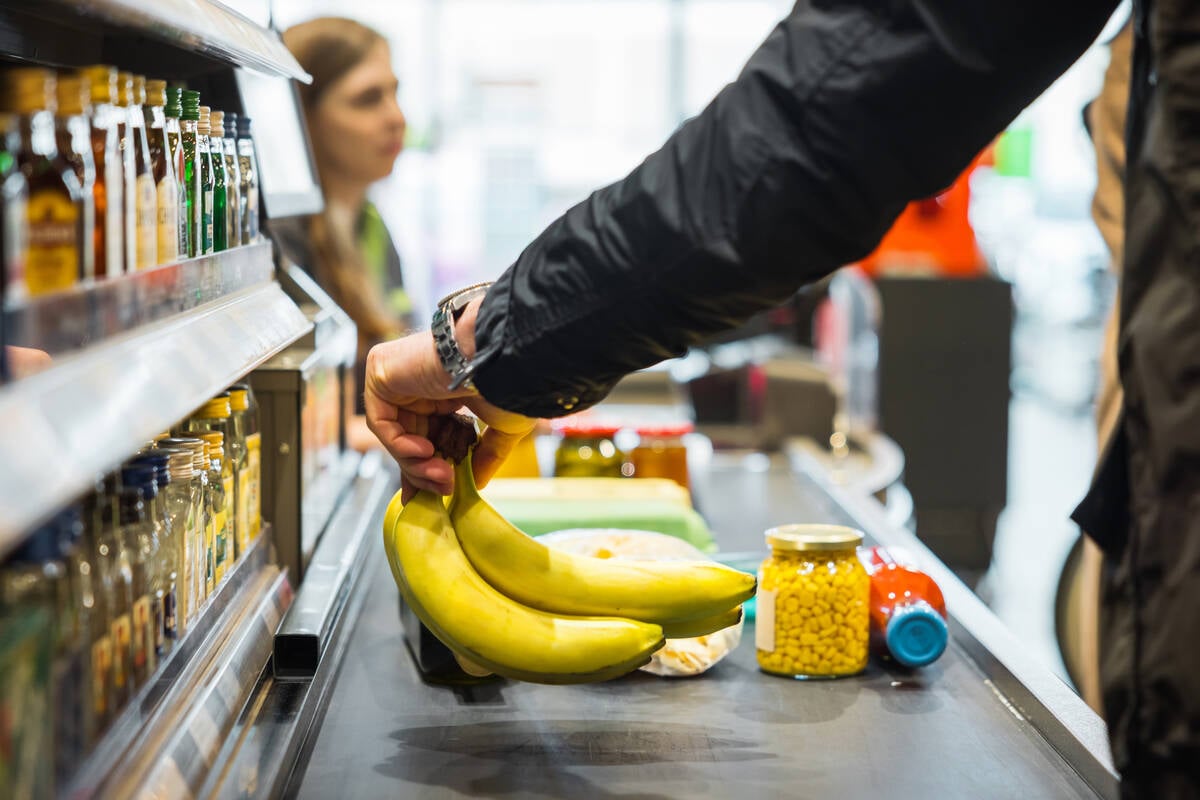
When Canadians see headlines about yet another food recall, it’s easy to assume something has gone terribly wrong with our food supply.
Since 2019, the number of recalls in Canada has jumped dramatically — from fewer than 50 in 2018 to well over 200 in some years. In 2025 alone, we have already crossed the 130 mark.
For consumers, the message may feel alarming. For industry, the headlines can be reputationally damaging. But the reality is far more nuanced: more recalls are not necessarily a sign of less food safety. In fact, they tell us our food system is working better than ever.
Read Also
Canada’s crop breeding system needs farmer-led evolution, not just preservation
The pressures facing Canada’s crop breeding system are structural, not cyclical. Darcy Pawlik argues farmer ownership is the path forward.
The turning point came in 2019 with the introduction of the Safe Food for Canadians Regulations (SFCR). These new rules tightened oversight, required stronger traceability and gave the Canadian Food Inspection Agency sharper tools to monitor and enforce compliance. Before then, recalls were sporadic and sometimes quietly managed between companies and regulators. With the SFCR, systematic reporting became mandatory, transparency for consumers was increased and accountability for industry was heightened.
That is why the 2019 chart looks like a cliff: the law fundamentally changed the way Canada handles risk.
The rise in recalls since then can be explained by several forces acting at once. Stricter allergen and labeling requirements mean that even small mistakes, such as an undeclared trace of milk or peanuts, can trigger a nationwide recall. Globalized supply chains bring in more products from more countries, expanding the chances of contamination or mislabelling. Advances in food science, from genomic sequencing to improved laboratory testing, have made it easier to detect pathogens such as E. coli and salmonella. And unlike in the past, when certain issues may have been contained quietly, recalls are now systematically announced online, on social media and through national alerts, ensuring Canadians are quickly informed.
More recalls often mean that risks are being identified earlier, before they cause widespread illness. A rise in recalls is, in many ways, an indicator of a system that is proactive rather than reactive. Each recall still represents a failure somewhere in the chain — yet the fact that these problems are identified and made public speaks to greater vigilance, not less.
What is often forgotten is that Canada consistently ranks at the very top of the world in food safety. Canada is currently No. 1 when it comes to food safety standards, according to the Global Food Security Index. The paradox is that while Canada is seen as a global leader, the steady stream of recall headlines risks eroding confidence at home.
Looking ahead, artificial intelligence (AI) could reshape how recalls unfold. AI systems are already being tested to monitor supply chains in real time, flagging anomalies in labelling, packaging and ingredient sourcing before products even reach the market. With machine learning analyzing vast amounts of inspection data, recalls could become more targeted, faster and, in some cases, unnecessary because the problem is intercepted upstream.
At the same time, AI’s growing role in surveillance could increase the number of recalls in the short term as hidden risks are uncovered with far greater precision than ever before.
Whether AI reduces or inflates the number of recalls will depend on how regulators and industry integrate the technology: as a shield to prevent problems from arising, or as a microscope that exposes every flaw, however small.
Sylvain Charlebois is director of the Agri-Food Analytics Lab at Dalhousie University, co-host of The Food ProfessorPodcast and visiting scholar at McGill University. This article has been edited for length.