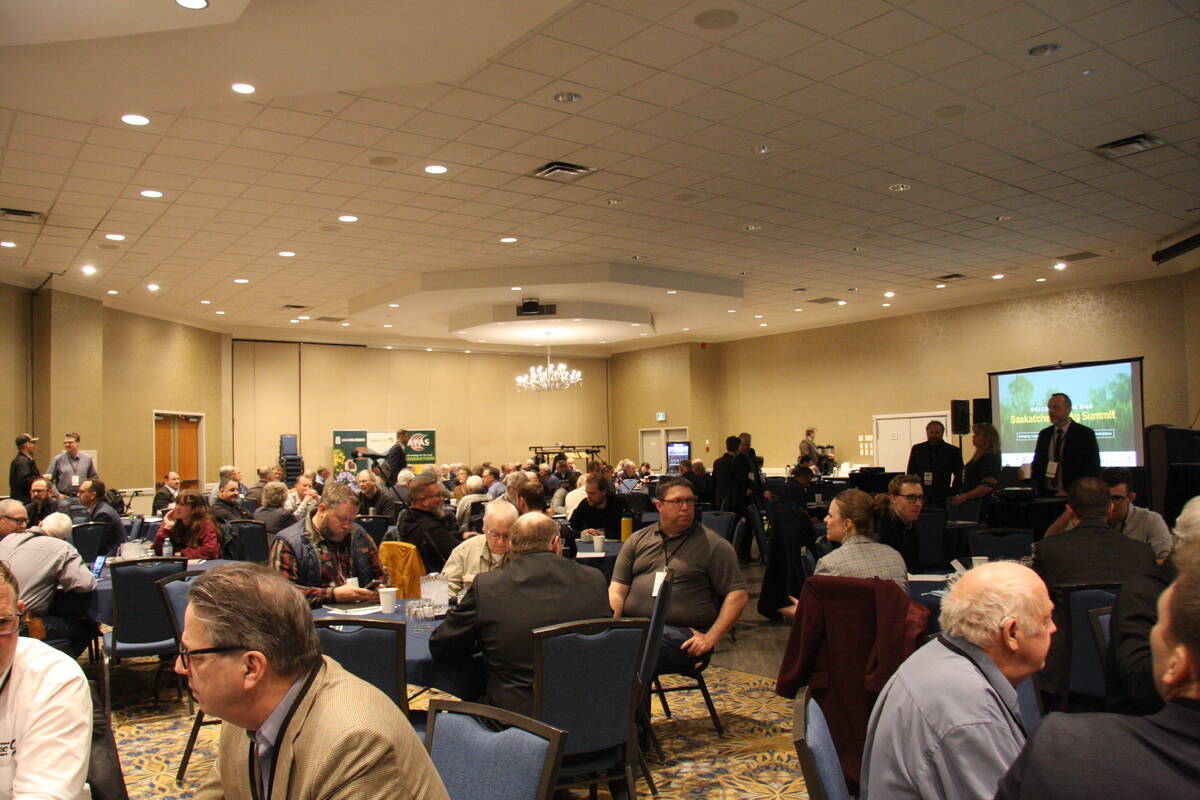
Policy experts, economists and the average farmer all agreed on one thing at this year’s Saskatchewan Ag Summit: global trade will never look the same.
“There is no way to sugarcoat what’s happening in the U.S.,” said Carlo Dade, director for international policy at the University of Calgary. “This is indeed the existential threat of our generation in Canada.”
The closing of the U.S. market appears as a deliberate attempt to create this existential threat, spreading to affect trade partners in the EU, Indo-Pacific, and Asia as well, attendees heard.
Read Also
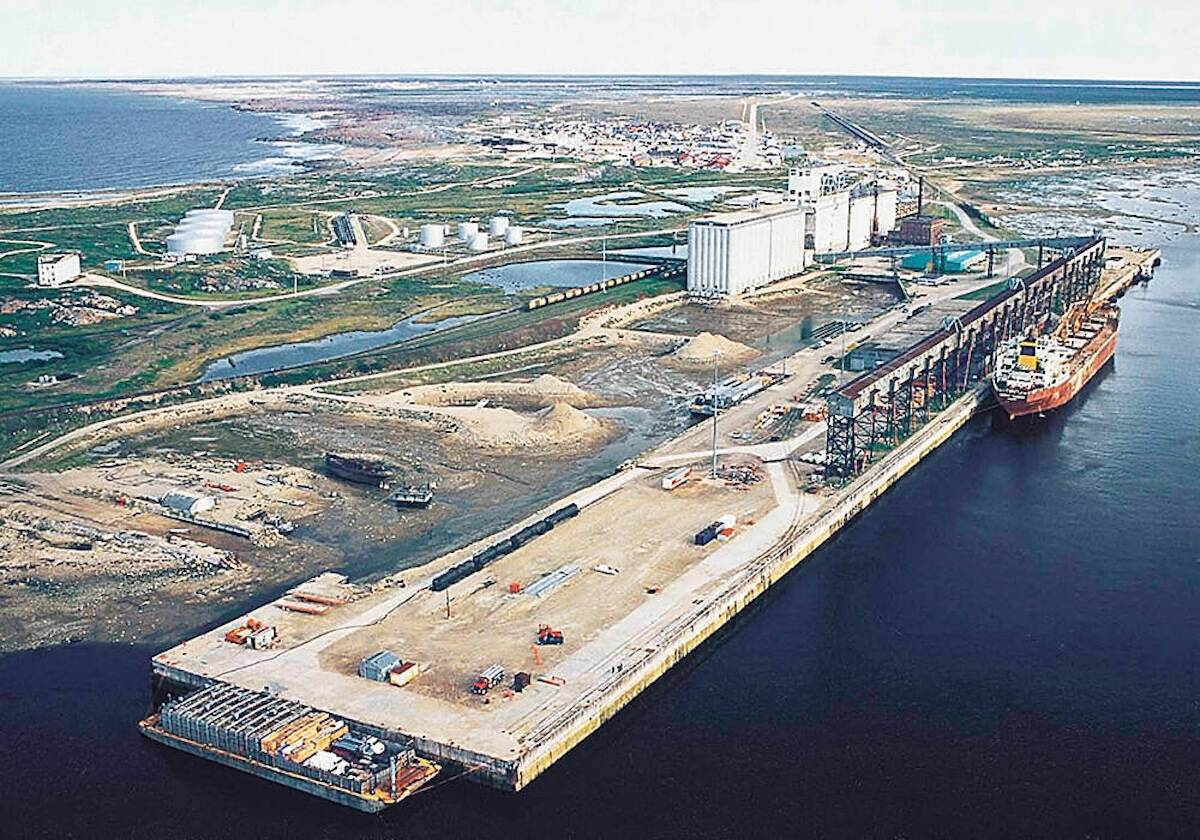
Manitoba, Ottawa sign deal to fast-track projects like Port of Churchill expansion
Manitoba and Ottawa have signed a regulatory streamlining agreement that names the Port of Churchill expansion as a priority infrastructure project.
WHY IT MATTERS: Canadian farmers and agricultural companies are wrestling with how to navigate a multi-directional trade war with some of Canada’s biggest trading partner nations.
Dade likened the situation to a shake down, saying America has gone from “cop to mobster” on free trade.
But it’s not all bad news, he insisted. The forced shift in the trade status quo also offers opportunity for improvement, not just in trade relations but trade policy.
According to Dade, market access is not the issue – it’s the quality of access, including predictability and certainty.
It is Dade’s opinion that not enough work has been done on agri-trade policy. Dade and a group of policy analysts are pushing for a completely revised national trade policy when it comes to agriculture.
The silver lining is that, due to the current situation, there is now a greater understanding of the interconnection of products, infrastructure, and transportation, he noted.
“So, not just ‘How does wheat move?’ or ‘How do forestry products move?’ but ‘How does everything move through interconnected rail, road, ports, and even airport systems across the Prairies?’ With that information, you understand how investment in one asset — bridge, bypass, new rail siding — impacts not just your ability to move grain, but how it impacts everyone in the system.”
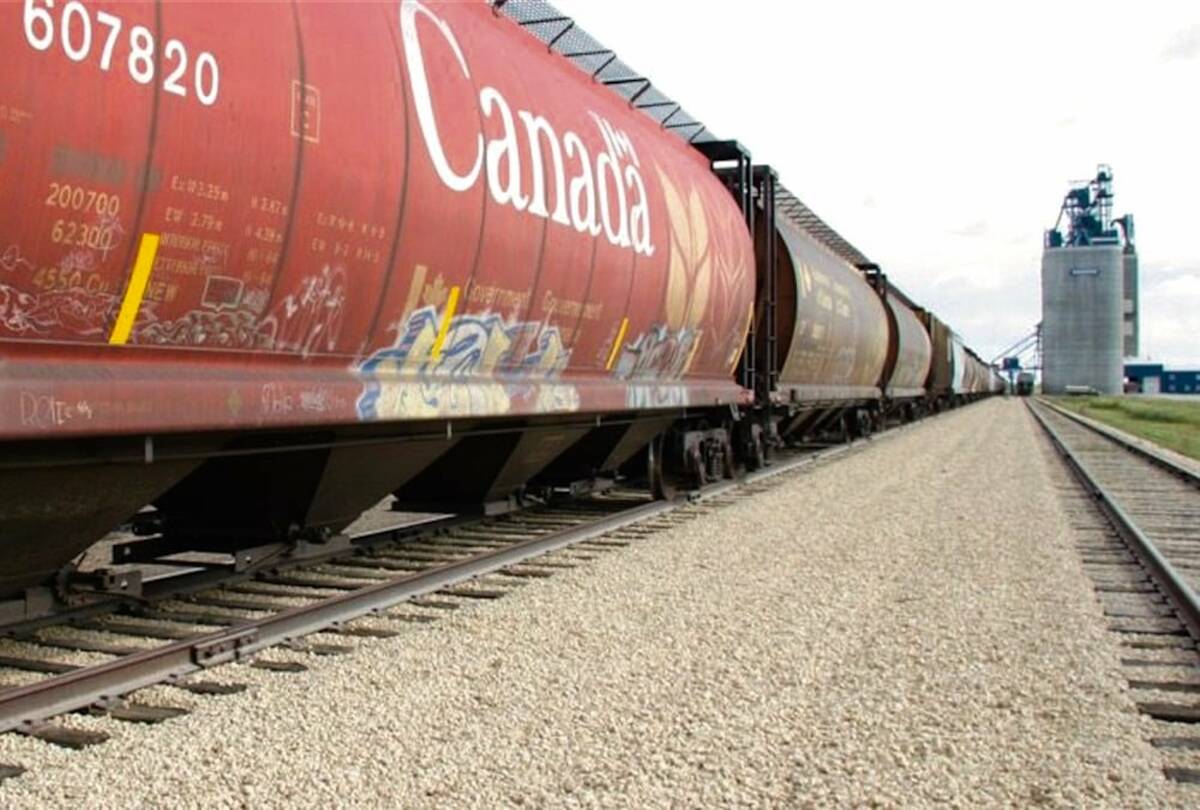
Many organizations and provincial governments are finding ways to improve trade infrastructure and address the issues caused by current methods, but it’s not enough, he said. He argues for an entirely new system built around “a more intelligent framework.”
His solutions include an increase of import capacity at ports and airport, and via rail, as well as smoother interprovincial trade systems, to make it easier for national trade to occur.
Provincial governments in Alberta, Saskatchewan, and Manitoba have worked together to make the best of the system, Dade said, adding that he hopes the federal government recognizes the Prairies’ efficiency and notes their effectiveness when looking at improving trade infrastructure.
These changes to policy and improvements to infrastructure should be fast-tracked, if possible, he argued. Dade spoke of one Peru port opened in fall 2024, funded by China, that will raise Brazil’s GDP by opening a trade route to Asia that’s 21 days faster than any current routes. The port was approved and built extremely quickly and utilizes state of the art automation, which will allow it to adapt easily to future opportunities, he said.
In comparison, Canadian ports refuse new automation or increasing of automation.
“It’s not just that we are stagnating. We’re falling behind, and drastically behind, against people who are as hungry, if not more hungry for those growing middle-class markets in Asia,” Dade said.
Agriculture needs louder voice
He further pointed to a lack of agricultural voices in the circles where general trade policy and other pieces of policy are decided. That silence means that agricultural concerns may fall through the cracks of those decision.
Dade offered the example of the policy fight on interoperability of machinery and the right to repair that is currently happening. He believes that this issue is being fought now because, when the decisions were originally made, farm voices were absent.
Agriculture must be in the room, starting at the grassroots producer level, he said. He encouraged producers to voice their concerns, speak to their MLAs and MPs to bring those concerns forward and ask their elected representatives what’s being done on those issues.