Chicago | Reuters—Chicago corn, soy and wheat futures dipped on Wednesday as the dollar jumped on uncertainty over U.S. President-elect Donald Trump’s tariff plans, and as investors squared positions and awaited supply and demand data from the U.S. Department of Agriculture.
CBOT wheat Wv1 ended down 6-1/4 cents at $5.36-1/4 per bushel and soybeans Sv1 settled down 2-3/4 cents at $9.94-1/2 a bushel. CBOT corn Cv1 eased four cents to finish at $4.54 a bushel.
The U.S. dollar index rose for a second day to approach last week’s two-year peak, as a report emerged that Trump is considering declaring a national economic emergency to provide legal justification for a series of universal tariffs.
Read Also
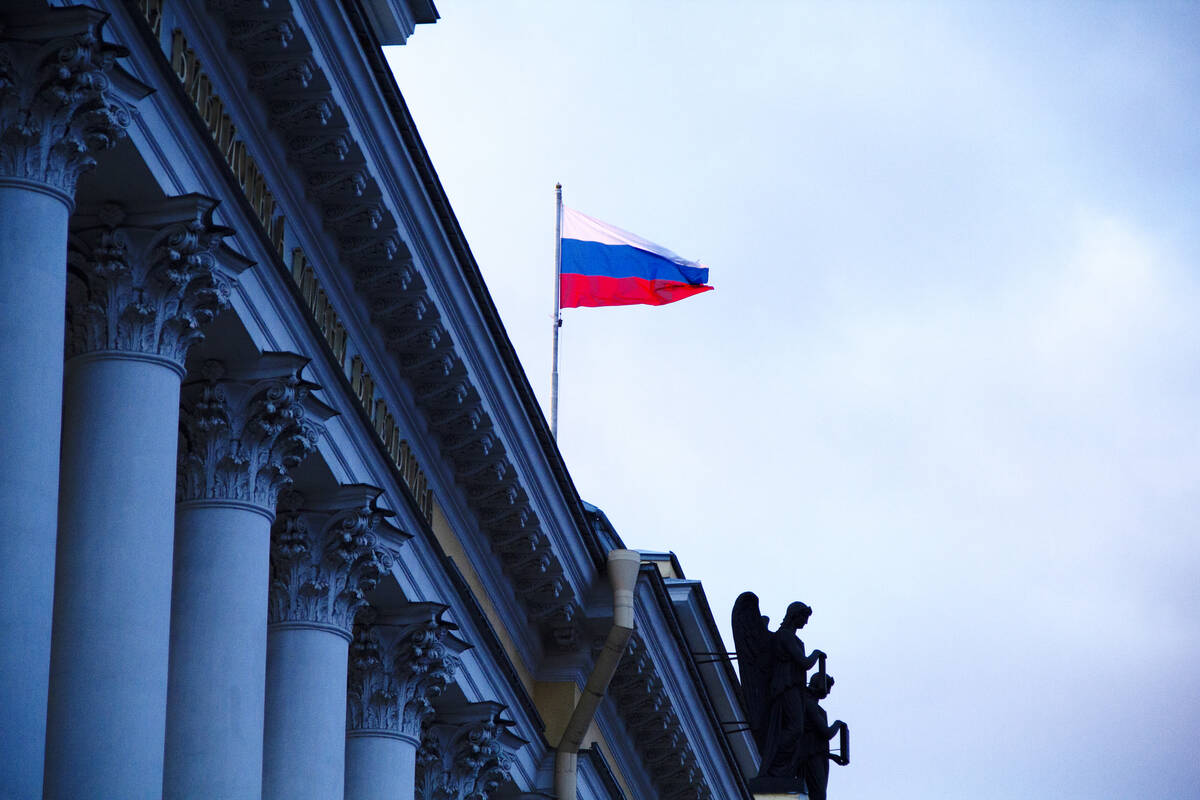
Russian grain ship believed sunk in Ukrainian drone attack found, towed to shore, TASS says
A Russian ship carrying wheat that was believed to have sunk in the Sea of Azov after a Ukrainian drone attack has been found and towed to shore.
A higher dollar makes U.S. grain more expensive overseas, and the currency’s strength, along with fears of tariff retaliation, has underscored concerns about tepid export demand for U.S. grain.
Traders also awaited a U.S. government crop report due on Friday for further direction on grain and oilseed supplies and demand.
Fund buying in corn is up, noted Jim Gerlach, president of A/C Trading. “There’s some caution there when managed money is getting long in front of a major crop report.”
Soyoil BOv1 remained firm as Indonesia announced it is clamping down on exports of used cooking oil, which competes with soyoil as a biofuel feedstock, he said.
Still, Gerlach said, “nobody knows how these limits are going to work, how much it’s going to stop those exports.”
Soybeans and corn were also pressured by weather forecasts in leading producers Brazil and Argentina.
Heat and dryness are expected to peak next week in crop-growing areas of both countries, according to Commodity Weather Group, before rains bring relief over the next 11 to 15 days.
—Additional reporting by Ella Cao and Mei Mei Chu in Beijing and Gus Trompiz in Paris