Sydney | Reuters — New Zealand said on Monday that it had suspended all poultry exports after detecting a highly pathogenic variant of avian influenza at a poultry farm on the South Island.
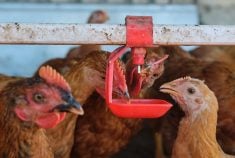
Tests confirmed the H7N6 subtype of bird flu at a rural chicken farm in the Otago region, Biosecurity New Zealand said in a statement. It is different to the H5N1 strain that has spread globally and raised fears of human transmission.
“Until we’ve cleaned up the situation on this farm, and assuming no other issues pop anywhere else, then we will be able to export again,” Biosecurity and Food Safety Minister Andrew Hoggard told Radio New Zealand after the announcement.
Read Also

Russia stops ammonium nitrate exports for one month amid global supply crunch
Russia, which controls up to 40 per cent of the global trade in ammonium nitrate, said on Tuesday it will stop exports of the fertilizer for one month until April 21 to ensure sufficient supply during the spring planting season.
“The incubation period is a maximum of 21 days, so we’ll know at that point what the situation is.”
Biosecurity New Zealand said there were no reports of other sick or dead birds on other poultry farms, and no human health or food safety concerns. It added it was safe to consume thoroughly cooked egg and poultry products.
“We are taking the find seriously … our testing shows it is unrelated to a H7 strain that was identified in Australia earlier this year,” Biosecurity New Zealand deputy director-general Stuart Anderson said in a statement.