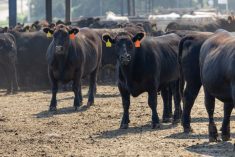
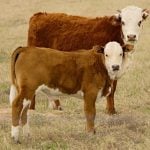
Mexico | Reuters — The United States has temporarily paused imports of Mexican cattle after a case of New World screwworm (NWS) was identified at the lakeside town of Catazaja in southern Chiapas state, the Mexican government said on Sunday.
“The United States and Mexico are working on implementing measures to resume the normal flow of Mexican exports,” it said in a statement.
It added that the measures did not apply to other exports and control measures were being implemented.
The U.S. Department of Agriculture (USDA) on Friday said that Mexico’s chief veterinary officer had notified it of the detection of NWS in a cow at a checkpoint near the southern border with Guatemala.
Read Also
Bayer takes its multi-front battle on pesticide liability to Kansas
Kansas lawmakers were set to take up a bill on Tuesday backed by Bayer that would prevent people from suing pesticide manufacturers for not warning them that their products could cause cancer or other illnesses.
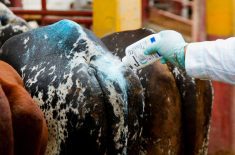
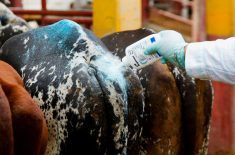
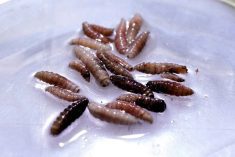
NWS maggots often enter through an open wound and feed on living flesh of warm-blooded animals, including people, USDA said.
It warned that infestations can be difficult to detect at first but can manifest itself through growing wounds, creamy larvae and signs of discomfort.
USDA said it was working with partners in Mexico and Central America to stop the screwworm’s spread and asking producers in the area to monitor their livestock and pets, and immediately report potential cases.
— Reporting by Sarah Morland