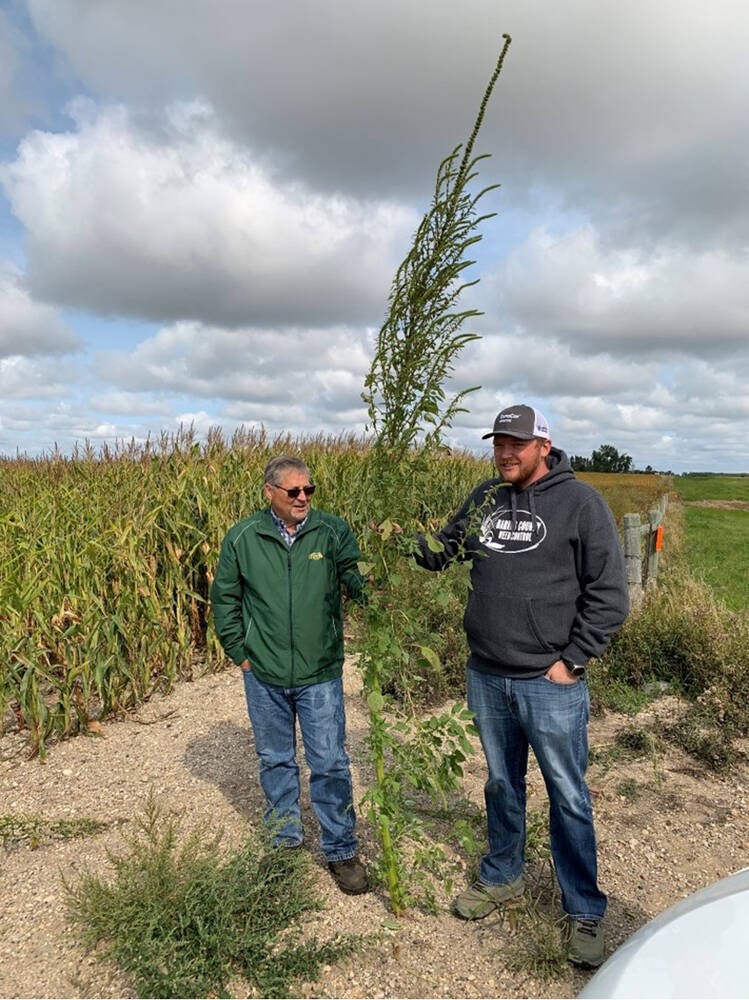
Researchers at Colorado State University hope to take the fight against Palmer amaranth to the next level.
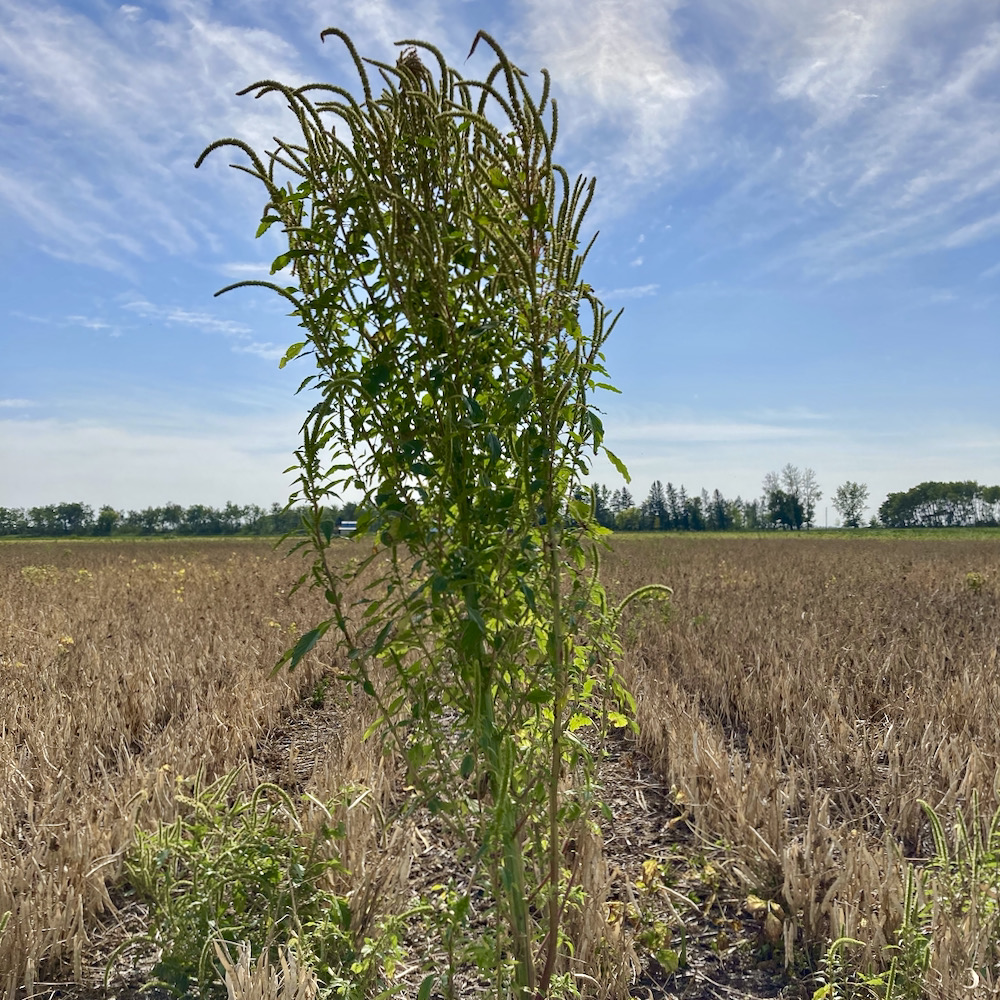
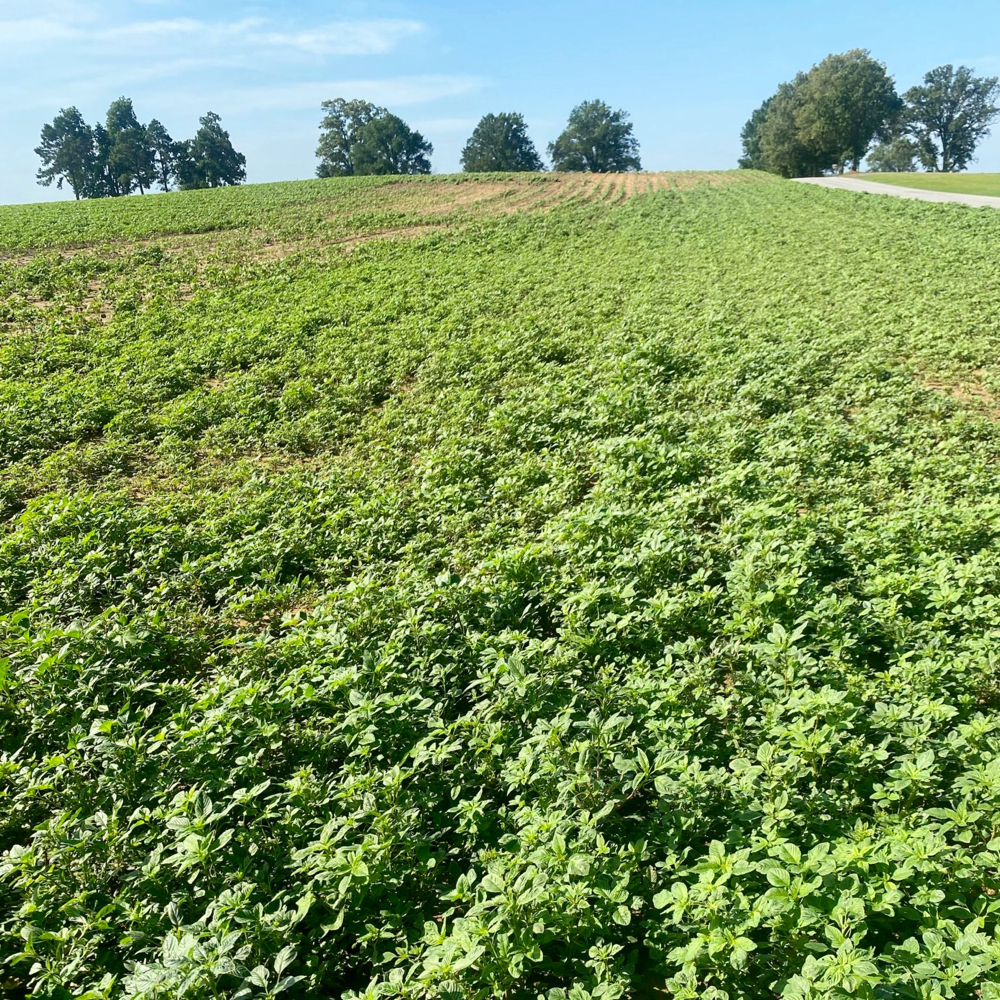
The problem pigweed is infamous in the U.S. for yield damage. It has a reputation for negating herbicide efficacy and, paired with its prodigious seed production and quick growth, it is difficult to fight. Damage reports in the U.S. show infestations can claim up to 91 per cent of corn yield and 79 per cent of soybean yield, according to the U.S. Department of Agriculture.
Given the weed’s ability to develop herbicide resistance, researchers suggest the next breakthrough will be biological rather than chemical.
Read Also
4R compliance comes up short
Most Canadian farmers think they follow 4R practices, but a Fertilizer Canada survey found far fewer acres actually meet the standard.
Why it matters: Manitoba has more problems with waterhemp than Palmer amaranth, but the noxious weed was found in the RM of Dufferin in 2023.
Supported by a US$650,000 grant, the Colorado project aims to develop a more effective and less environmentally damaging option for Palmer amaranth control.
Herbicide resistance is a serious problem for producers, said Arjun Khakhar, an assistant professor at Colorado State University.
“Already in America, at least 30 per cent of Palmer amaranth that you see showing up in fields is resistant,” he said. “We’re really interested in new ways to control these kinds of (weeds) and do it in a way that is less likely to evolve resistance.”
The proposed biological herbicides will use RNA molecules known as ribozymes to disrupt the genes that help the weed’s defence and metabolism. If successful, the method would attack through a specialized viral infection.
“My group (does) a lot of biotechnology and genetic engineering … we started thinking a little bit about, what are the mechanisms in nature that control plant populations,” Khakhar said. “And one of the really big things that we realized was that plant viruses actually play a really major role in regulating plant density.”
Many plants that grow in close quarters create a perfect environment for viral infection. Sick plants may not die from a virus, Khakhar noted, but they are put at a competitive disadvantage.
“That’s sort of an ideal way (to) deal with weeds. Rather than to fully kill them, reduce that fecundity.”
Viruses tend to halt the plant’s immune system after infection. They can then replicate and propagate throughout the plant body. The trick is getting a virus that will not affect the crop.
A plant virus “may infect your weed, (but) it would also infect your crop and other plants in the environment,” Khakhar said.
The team’s weed-targeting virus adds a synthetic molecule to the virus’s genome.
“We also target them to turn off essential genes in that weed, which reduce the growth rate of the weed, so that’s how we can basically tune how much this virus is able to interfere with the capacity to grow,” Khakhar said.
This has potential to turn invasive plants into less serious weeds that don’t outcompete crops.
The team plans to base its four-year project on a well-established plant virus. Research will include tests to ensure the bioherbicide does not affect other plants and to assess its potential against other weeds.
“We hope to be able to expand these approaches to target other invasive plants,” he said.
Only three Palmer amaranth plants have been found in Manitoba to date, according to Kim Brown, a weed specialist with Manitoba Agriculture. Nevertheless, she’s excited about the possibilities of Khakhar’s work.
“Every time something like this gets developed and gets worked on, we’re one step closer to this becoming more accessible and more broad range,” she said. “And there could be different viruses for different weeds, so it’s advancing the industry.”
Brown expects Palmer amaranth to show up in more Canadian fields in coming years. It’s more competitive than waterhemp and has been slowly making its way northward. It’s now established in North Dakota.