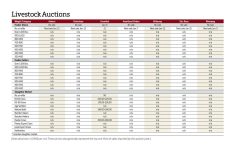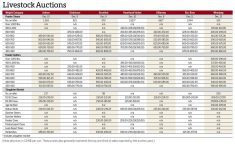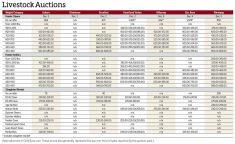
The fall run remained in full effect at Manitoba’s cattle auction yards during the first week of November, although activity should be slowing down over the next few weeks.
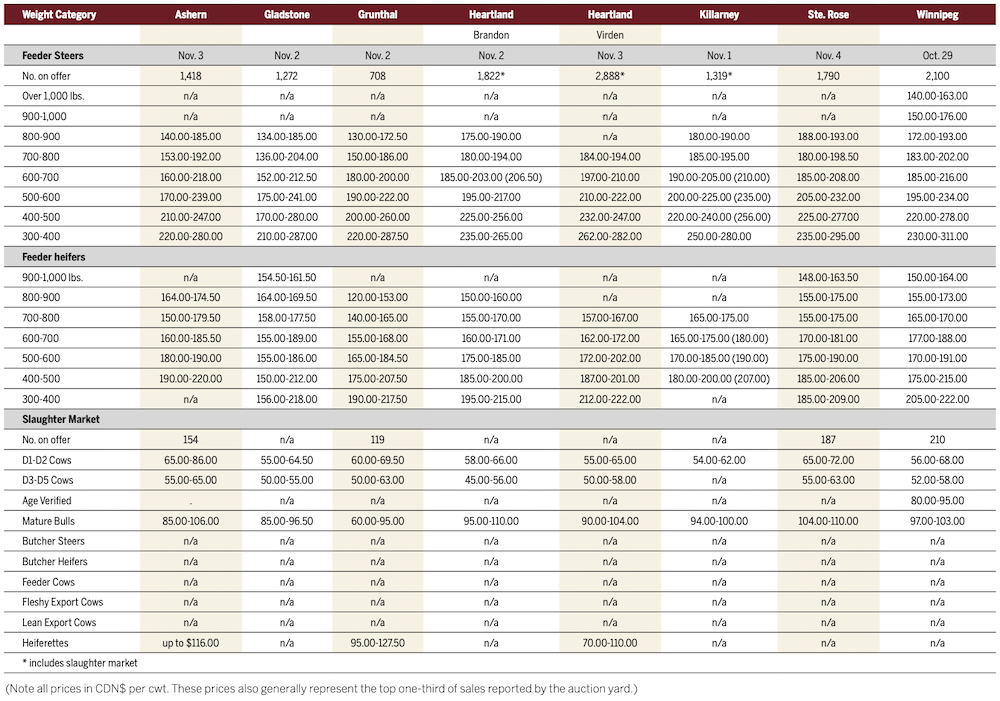
Prices were generally steady to firmer for most classes of feeder cattle during the week, with the seasonal lows possibly in for the time being. Feeder heifers in the 400- to 500-pound range were still bringing in more than $200 per hundredweight at the higher end, while steers in that category were generally well above $200 and topping out at $280 in some cases.
Read Also

MBFI livestock research farm gets major expansion
Manitoba Beef & Forage Initiatives expands Brookdale Research Farm by 467 acres to benchmark grazing profitability at commercial scale.
Meanwhile, butcher cows have come down slightly over the past month, with prices in the $55- to $79-per-hundredweight range for D1 and D2 quality.
Looking ahead, “volumes should start to tighten up,” said cattle analyst Brian Perillat of Canfax. He noted that more cattle moved earlier than normal this year, with the biggest volumes now in the past. “As these numbers tighten up, it should be supportive for the calf and feeder market.”
However, Perillat added that fed cattle prices in Canada have fallen to a bit of a discount to the U.S. futures after trading at a premium earlier in the year.
“In Western Canada we have significantly more cattle on feed versus a year ago, whereas the U.S. is down slightly,” said Perillat. He said many of the cows moving to market were headed south, where there was more packer space as Canadian buyers are full with fed cattle.
Feed shortages and high feed costs have seen more cows come to town rather than be retained, with the calf market also pressured by the high cost of feed, said Perillat.
While the feed costs will play a part in the market direction over the next few months, beef demand is still relatively strong, according to Perillat.
While higher prices may eventually influence consumer decisions and cut into that demand, he expected the beef market would stay strong overall.
Cattle futures in the U.S. saw some choppy activity during the week, with the feeder cattle futures dropping sharply on Monday, Nov. 1 to their lowest levels in five months and then recovering to move higher for the rest of the week. Larger-than-expected U.S. stocks accounted for the initial sell-off.
Live cattle futures were also initially pressured by the bigger U.S. cattle numbers before moving higher as the packers increase their production and the feedlots become more current in their marketing, according to reports.