China has arrested three more people for dealing in milk and milk powder tainted with melamine, a compound used in plastics and fertilizer that caused a massive food safety scandal last year, the Xinhua news agency said.
The tainted milk powder dates to mid-2008 but was sold to dairy firms and food companies in late 2009, indicating that significant stocks of melamine-laced powder may remain in circulation in China despite a September 2008 crackdown after at least six babies died from ingesting the chemical.
Two managers with Lekang Dairy Co. in Shaanxi province in northwest China and a milk powder dealer were charged with manufacturing and selling food that does not meet hygiene standards, Xinhua cited public security officials as saying.
Read Also
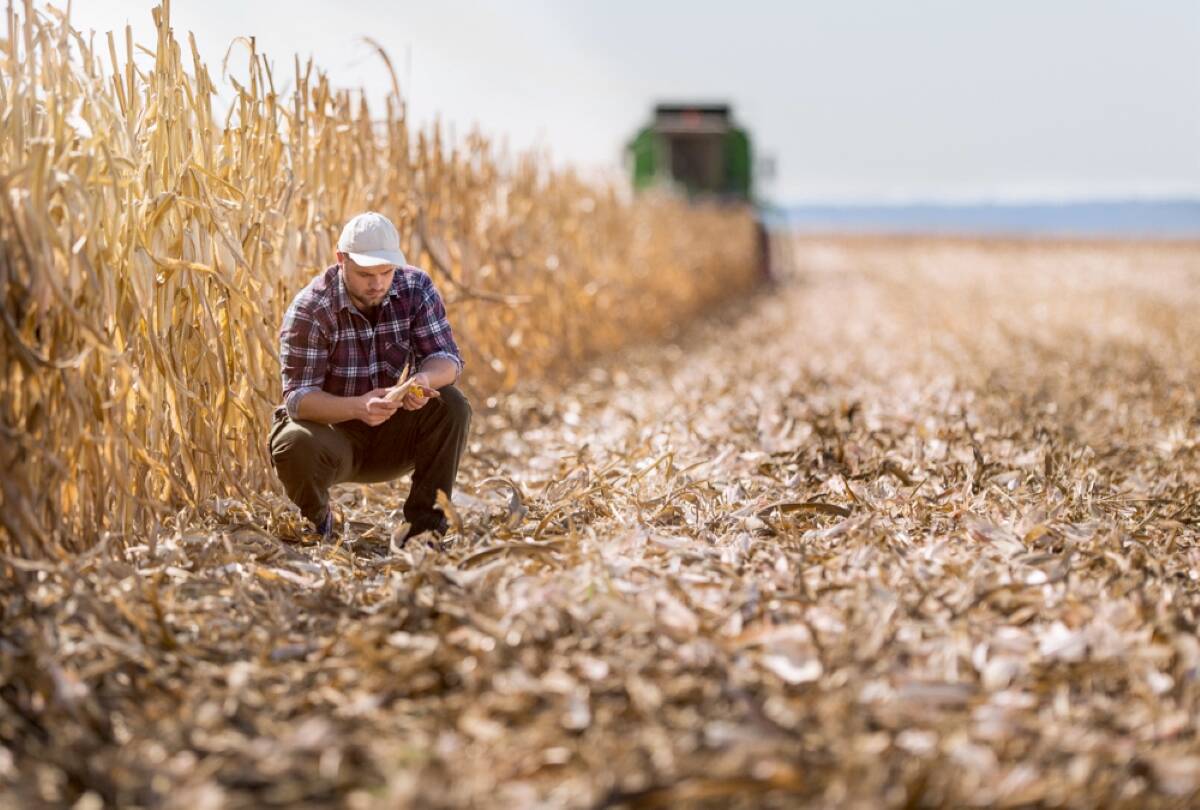
Farm sustainability means farmer wellness too
University of Manitoba LEAP program wants to talk farm succession, self-efficacy and community supports as part of agriculture wellness and sustainability study.
A third manager was on bail with heart disease.
Lekang is one of three companies blacklisted by the Ministry of Health for manufacturing and selling milk products laced with melamine, which farmers and dealers use to cheat protein tests, Xinhua said.
Authorities destroyed some of a batch of tainted milk powder from Lekang last month, but about 28 tonnes had already been sold to food processors and on to candy makers in South China. The candy was recalled or impounded, Xinhua said.
Earlier this month, Chinese food safety inspectors launched a 10-day crackdown on melamine-tainted products, following several cases of melamine-tainted products in late 2009 and early 2010.
China executed two people in November for their role in the melamine scandal that further sullied the made-in-China brand after a string of health and product-safety scares.