
Auction markets across the province are feeling the burden of COVID-19, as supply chain issues have put pressure on feeder and butcher cattle.
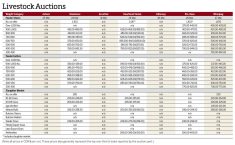
Feeder cattle prices at Grunthal Livestock Auction Mart were steady to slightly lower during the week ended April 17, with sharper losses observed in butcher cattle prices.
Weakness in butcher cattle pricing was partially attributed to supply chain issues, as slaughter plants struggle to staff workers during the COVID-19 pandemic.
Read Also
Tariffs, trade wars and the Iran conflict: How Prairie farmers can manage unprecedented volatility
Prairie farmers face unprecedented volatility but experts say smarter contracts, fertilizer planning and diversification can help.
“It’s creating major issues,” said Harold Unrau, manager of Grunthal’s auction. “And it won’t get any better until the virus is under control.”
He estimated butcher cattle prices were lower by about 20 cents on the pound, while feeder cattle were five cents lower.
However, he noted, prices for some classes of feeder cattle have remained steady.
Last week, feeder heifers between 600 and 700 lbs. went for between $145 and $175 per hundredweight. Prices for the same weight class were between $150 and $172.25 this week.
“We’ve just started to see the impact of COVID-19, but there’s a lot more to come,” he said.
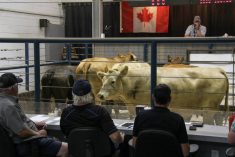
Cattle auctions across the Prairies have taken steps to abide by social distancing regulations, including limiting the number of people in the auction arena to 10.
However, that means some local buyers who buy lighter feeder cattle to put on grass over the summer haven’t been attending auctions.
“There’s no room for local producers,” Unrau said. “Hopefully this is all over with come fall.”