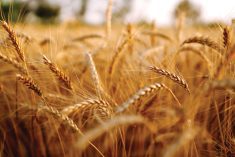
Spain | Reuters – Thousands of farmers took to the streets of Murcia in southern Spain Feb. 21, blocking streets with tractors and tossing vegetables to the ground in protest at low food prices and precarious working conditions.
Similar demonstrations have sprung up around the country over the last month, part of a broader pattern of agricultural discontent across the European Union.
According to Spain’s UPA union, which represents small producers, average farm earnings fell by nine per cent in 2019 because of higher production costs and declining food prices as highly competitive supermarket chains piled on the pressure and tariffs were imposed on some goods.
Read Also
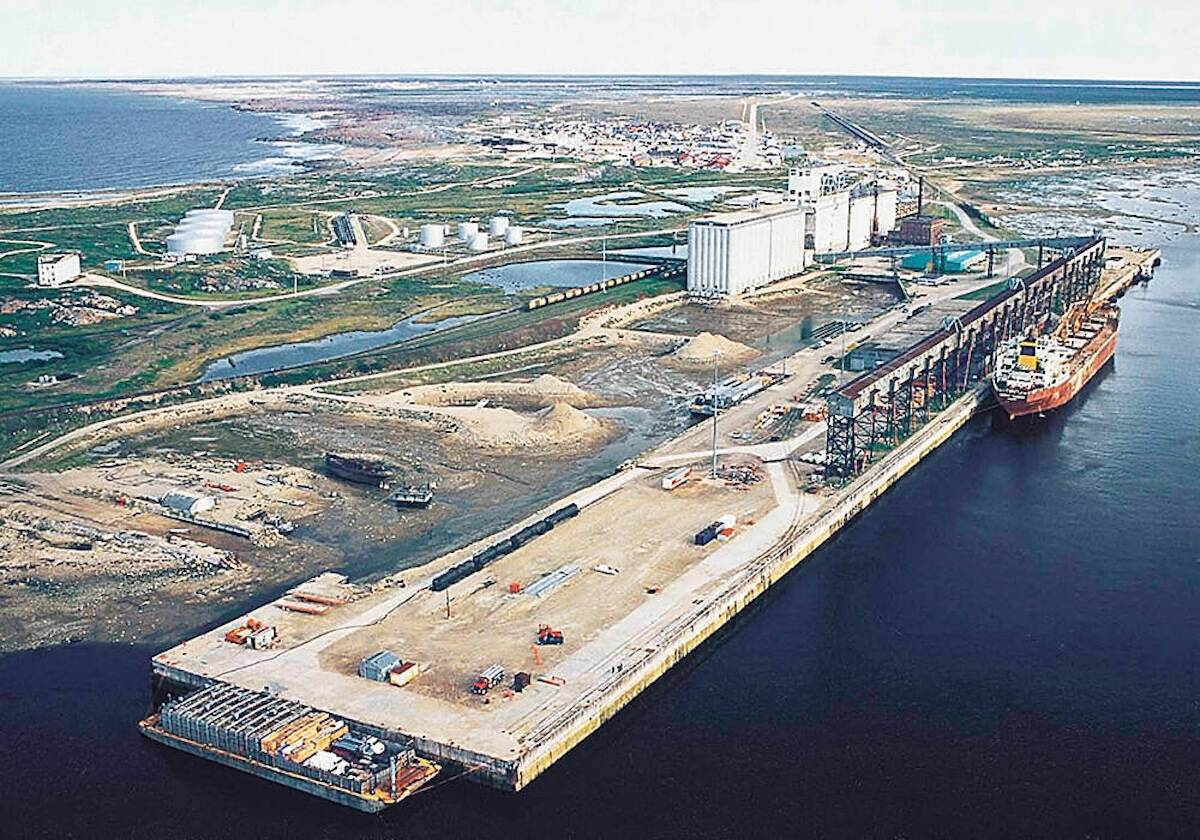
Manitoba, Ottawa sign deal to fast-track projects like Port of Churchill expansion
Manitoba and Ottawa have signed a regulatory streamlining agreement that names the Port of Churchill expansion as a priority infrastructure project.
“All this is creating a climate of complete uncertainty so farmers and ranchers feel the countryside doesn’t have a future,” said Ignacio Huertas, secretary general of UPA Extremadura, who raises cattle in the area of Montijo.
European Union budget negotiations in Brussels, where agricultural subsidies have emerged as a point of contention, are exacerbating the anxiety across the sector.
More than a third of the EU’s previous budget went on support to farmers, even though agriculture accounts for just one per cent of its economic output, a disparity which some countries including the Netherlands have decried as unsustainable.
Agriculture Minister Luis Planas has said Spain would fight to maintain subsidies as close as possible to current levels, but acknowledged this would be hard following Britain’s exit from the bloc at the end of January.