With the mild winter Western Canada has been experiencing, feed grain buyers expect prices should stay quiet for the next while.
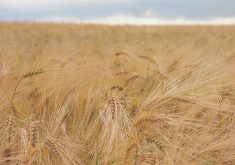
“I would say the buyers have adequate coverage for January, February, even a bit of March. And I would say we maybe have seen the (barley) price soften up a bit,” said Nelson Neumann, grain trader with Agfinity at Stony Plain, Alta.
Over the past week, Agfinity saw the feed barley price in the Lethbridge area weaken to the mid-$250s range, from $260 per tonne last week.
Read Also

Feed Grain Weekly: Demand rises despite war uncertainty
Demand is ongoing and prices are slowly rising for feed grains despite the war in Iran, said Brandon Motz, owner and manager of CorNine Commodities in Lacombe, Alta.
Feed wheat has been steady at $245 in the Lethbridge area and in a $235-$240 per tonne range closer to Calgary. However, Neumann hasn’t seen much movement of feed wheat as of late.
Winter so far has been fairly mild, which has allowed for smooth deliveries to feedlots and has helped to keep a cap on prices. If there was to be an extended period of cold weather, Neumann said, that could push prices higher.
Corn from the U.S. is still making its way into feedlots, according to Neumann. Most of it is from pre-bought contracts, but new purchases are still being made. The price had crept up over the last few weeks, though, as the Canadian dollar rallied.
“(The) corn price went down again a couple of days ago… so it’s an attractive option again. It can put a ceiling on the domestic barley and wheat pricing,” he said.
The feed market should stay stable throughout the next few months. While Neumann has been hearing from producers that there isn’t a lot of barley available, from his experience and from what the feedlots have seen, that isn’t the case.
“From what we’ve been seeing there’s plenty of (grain), especially feed wheat, available for the year,” he said, adding feedlots should be well supplied until this year’s harvest.
— Ashley Robinson writes for MarketsFarm, a division of Glacier FarmMedia specializing in grain and commodity market analysis and reporting.