CNS Canada –– Feed barley and feed wheat appear to be settling into some seasonal highs, according to a market-watcher in Alberta.
“Whether it goes up much more remains to be seen,” said Jim Beusekom of Market Place Commodities in Lethbridge. “Between Easter and May long weekend, we’re probably at a high.”
High vomitoxin (10 ppm) wheat is trading at $170-$175 per tonne, he said, while low vomitoxin supplies that are suitable for hogs and poultry are coming in at $185-$190.
Feed barley, meanwhile, is trading at $170-$175 per tonne.
Read Also

ICE Canada Weekly: U.S. biodiesel mandate will be a boon for canola
Canola is poised for more gains as the trade awaits the Trump administration’s decision on the latest biodiesel mandate, said Jamie Wilton, broker with RJ O’Brien in Winnipeg.
“That’s steady compared to last week but up over the last month by $10-$15 per tonne on each commodity,” he said.
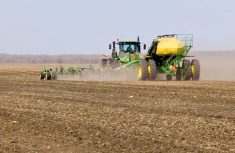
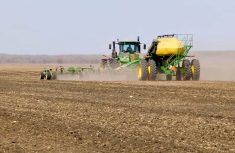
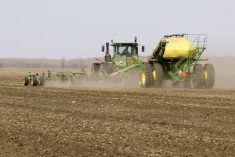
Toward the end of May, he said, those prices may taper off as more road bans come into effect, yards get muddy and farmers go seeding.
“As those conditions change grain becomes more available and the price comes back off,” Beusekom explained.
One other factor facing the market these days is the large volume of spring-threshed grains that are starting to come in from Prairie fields.
“We’re starting to notice it for sure,” he said.
Offerings have been fairly steady over the past 10 days, but not overwhelming, Beusekom added.
“The thing is, the spring-threshed grain has a high range of stuff in it too, so some of it is good and some of it is really bad,” he said. “The poor quality isn’t worth much.”
There are some ideas that barley acreage could creep up, too, if spring seeding is delayed by additional rain. The theory is farmers may switch from other crops if the season becomes too short.
However, despite recent rain, Beusekom said his area at least isn’t too wet.
“I think moisture conditions are good in southern Alberta,” he said. “The seeding has progressed nicely.”
— Dave Sims writes for Commodity News Service Canada, a Winnipeg company specializing in grain and commodity market reporting.