Nova Scotia is ending its feed-in tariff program that pays local-level groups to generate power from biomass, wind and other renewable sources.
Energy Minister Michel Samson said Thursday a provincial review of the community feed-in tariff (COMFIT) program shows it’s “at a point where the program could begin to have a negative impact on power rates.”
The review found no new generation is needed to meet electricity demand, the province said. Adding capacity “would negatively impact rates as Nova Scotians pay more for energy with small-scale, community-based projects than from other sources.”
Read Also
Chicken, eggs benefit from demand for economical protein
Strong demand for protein and status as an economical alternative to beef bodes well for chicken and egg demand in 2026 according to recent analysis from Farm Credit Canada.
Also, the province said, some proposed COMFIT projects “are seeking extensions beyond what would be expected for a well-developed project.”
That said, the program “has exceeded expectations as a contributor to economic development in communities throughout Nova Scotia,” the province said.
Also, the review found COMFIT had “exceeded expectations in energy output, with more than 80 (megawatts) in production and more than 125 MW expected by the end of 2015.”
The cancellation means no new COMFIT applications will be considered, though projects already underway “will continue,” the province said.
Outstanding unapproved proposals, extensions and lapsed-permit renewals are to be considered on a case-by-case basis and processed within 60 days.
COMFIT was launched in 2010 as part of the provincial Renewable Electricity Plan, meant to add some diversity to the province’s mainly coal-based power sources.
The program pays 49.9 cents per kilowatt hour (kWh) for wind power from projects producing fewer than 50 kW; 13.1 cents/kWh for wind power from projects over 50 kW; and 17.5 cents/kWh for power from combined heat/power (CHP) biomass projects. Small-scale in-stream tidal power and run-of-river hydroelectricity projects were also eligible.
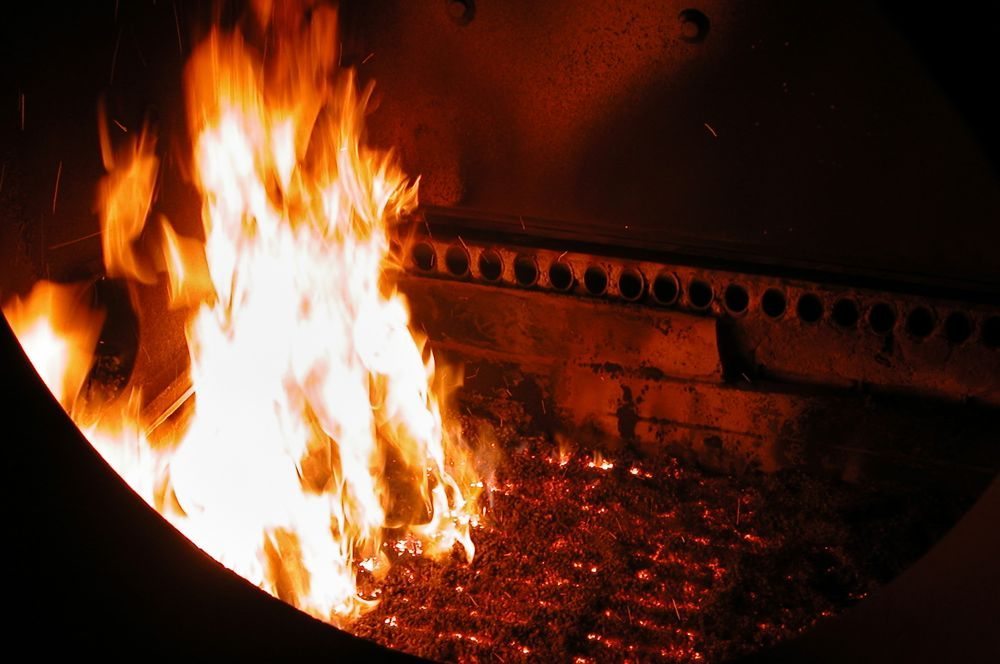
The vast majority of COMFIT projects approved as of early March this year were wind-based, but included a handful of CHP biomass plants, among them at least five on-farm generators.
Eligible project proponents included municipalities, First Nations, co-operatives, universities, community economic development investment funds and non-profit groups.
Legislation is to be introduced this fall for the needed changes, the province said. — AGCanada.com Network