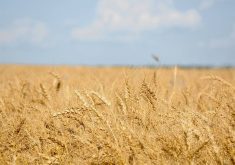
CNS Canada — Excess moisture in parts of central Manitoba could bring disease problems to winter wheat fields in the region.
Fungicide spraying has occurred to control diseases such as fusarium head blight and leaf diseases, but farmers are running into some problems with applications, according to Bruce Burnett, crop specialist with CWB in Winnipeg.
“In Manitoba especially, some of the rainfall here has been fairly persistent. Farmers have had to either spray multiple times, or have had difficulty getting the spray on right at the correct time,” he said.
Read Also
Feed grains weekly: Prices bump up
To Darcy Haley, vice-president of Ag Value Brokers in Lethbridge, there are two main reasons for recent increases for feed barley and wheat. Haley said on March 12 that there’s an ongoing lack of farmer selling, plus stiff competition from the grain companies looking to export barley.
The story is a bit better in eastern Saskatchewan and western Manitoba, where the crop is in reasonable shape. Conditions aren’t looking so great further west due to persistent dryness this spring and early summer.
“It’ll be lowering yields out in the western areas,” Burnett said. “We’re especially concerned about the heat that we’re expected to get over the next week or so because most of the winter cereal crops should be flowering or in that general stage at that point in time.”
When crops are flowering, cooler temperatures are more favourable, as hot and dry conditions could harm the crop’s progress.
Yields may not be the best, and harvested area will likely be down from earlier expectations due to unfavourable weather, according to Burnett.
But Western Canada’s winter wheat crops have been developing at a faster than normal pace this year, mainly due to a warmer than average spring.
“The harvest should be a little earlier than normal. Basically the winter wheat crops are mostly headed now, so you’d be looking at a harvest around the end of July for most of the crops in the southern growing areas,” Burnett added.
The winter wheat harvest normally begins within the first two weeks of August, thus on track to start about a week early this year.
— Terryn Shiells writes for Commodity News Service Canada, a Winnipeg company specializing in grain and commodity market reporting.