Saskatchewan’s ag ministry is calling on canola growers to take the necessary steps to keep clubroot out of the province.
In 2007, the province said in a release, nearly 60 canola fields in central Alberta were overcome by clubroot, a disease it described has “harmful and swift-moving.”
While not yet spotted in Saskatchewan field, the province said it’s “extremely important” for producers to prevent the disease’s establishment and spread.
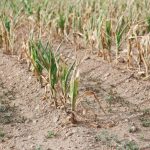
Clubroot infection can cause serious yield losses, the province said, and there are no economically viable options for controlling clubroot once it is established in a canola field. Saskatchewan growers are expected to seed up to 7.5 million acres of canola this year, and the province anticipates a record crop.
Read Also

ICE weekly: War news driving canola markets
Canola futures broke below their nearby trading range as a selloff in crude oil weighed on prices. While seasonal price trends point higher, direction will continue to come from developments in the Middle East.
Clubroot, a soil-borne disease, affects the roots of cruciferous vegetables and crops such as cabbage, cauliflower, broccoli, brussels sprouts, turnip, rutabaga, radish, canola and mustard. Cruciferous weeds such as stinkweed, shepherd’s-purse, wild mustard can also host the disease.
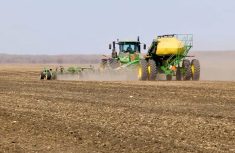
Clubroot is mainly spread by soil movement containing soil-borne spores. Soil transport can occur by wind or water erosion, in manure from animals fed contaminated feed, and by earth tag on seed or on field machinery, the province said.