Rather than wait for new rules on Canadian farms to cut greenhouse gas and carbon emissions, a crop researcher hopes to show how growers may have already helped to do so.
Stuart Smyth, a professor in the University of Saskatchewan’s department of bioresources policy, business and economics, on Jan. 15 launched a national online farmer survey on farm crop rotation practices.
Farmers can sign up at the website to join the university’s Canadian Farm Panel for the survey.
Read Also
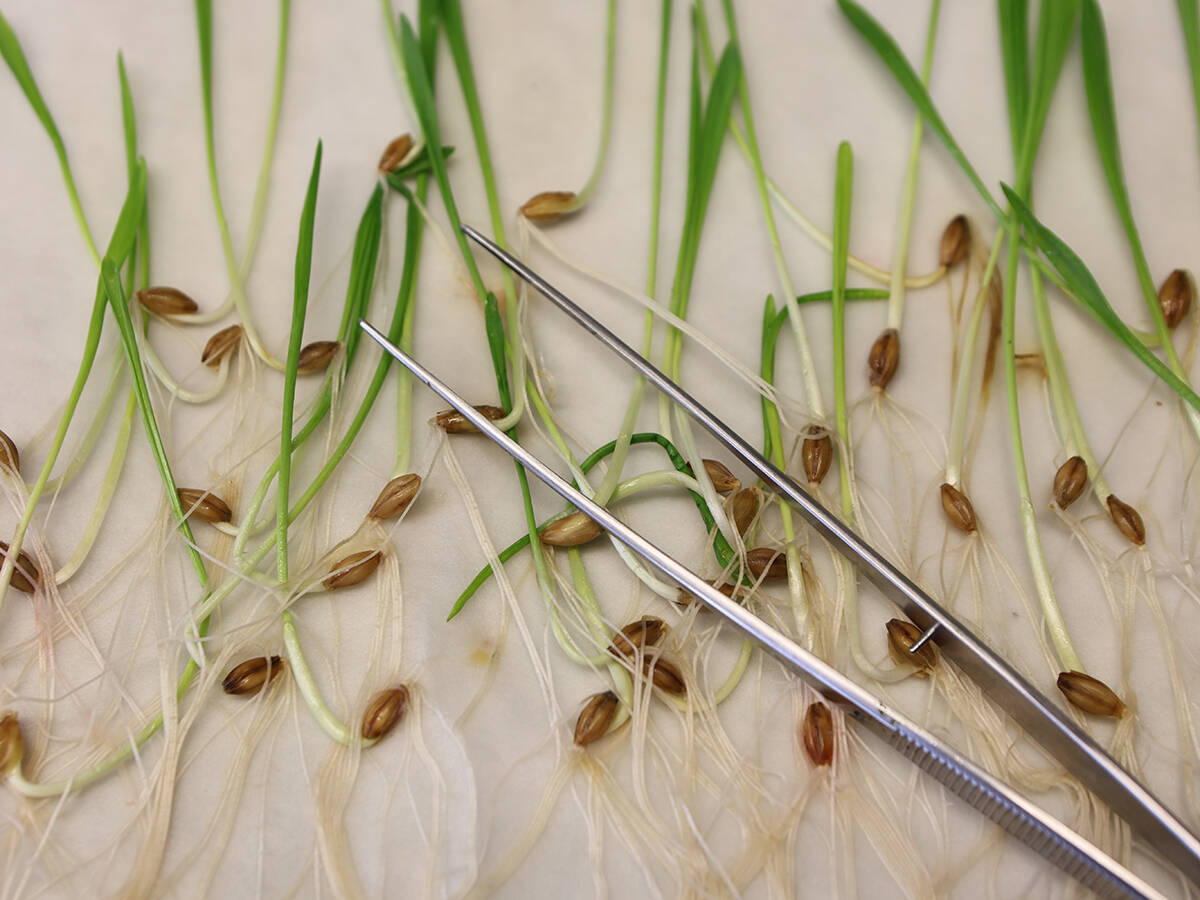
EU vote on gene-edited crops could reshape Canada’s export landscape
A pending EU vote on gene-edited crops could accelerate global acceptance of the technology and reduce export risk for Canadian growers.
In the survey, Smyth plans to compare farmers’ most recent crop rotations with those of 25 years ago, and “identify changes in crop trends, fuel and chemical use, and land management practices.”
Canada, at last month’s Paris Climate Conference, made commitments to reduce greenhouse gas and carbon emissions, and farmers “may be asked to comply with new policies, which come with a cost,” the university said in a release.
The data, Smyth said, “will quantify how GHG and carbon emissions have changed following the move to zero tillage. Such data is essential in demonstrating to policy-makers the efforts farmers have already made in being stewards of the land.”