Try a snack before you go, like a piece of fruit or some crackers.
Since holidays revolve around food – and lots of it – here’s some tips to help keep the calories down.
Avoid going to gatherings starved. If you arrive too hungry, you’ll eat too fast, choose the less-healthy foods available and end up stuffed. Try a snack before you go, like a piece of fruit or some crackers.
If there’s a buffet, select the smallest plate available to help you keep portions under control.
Read Also
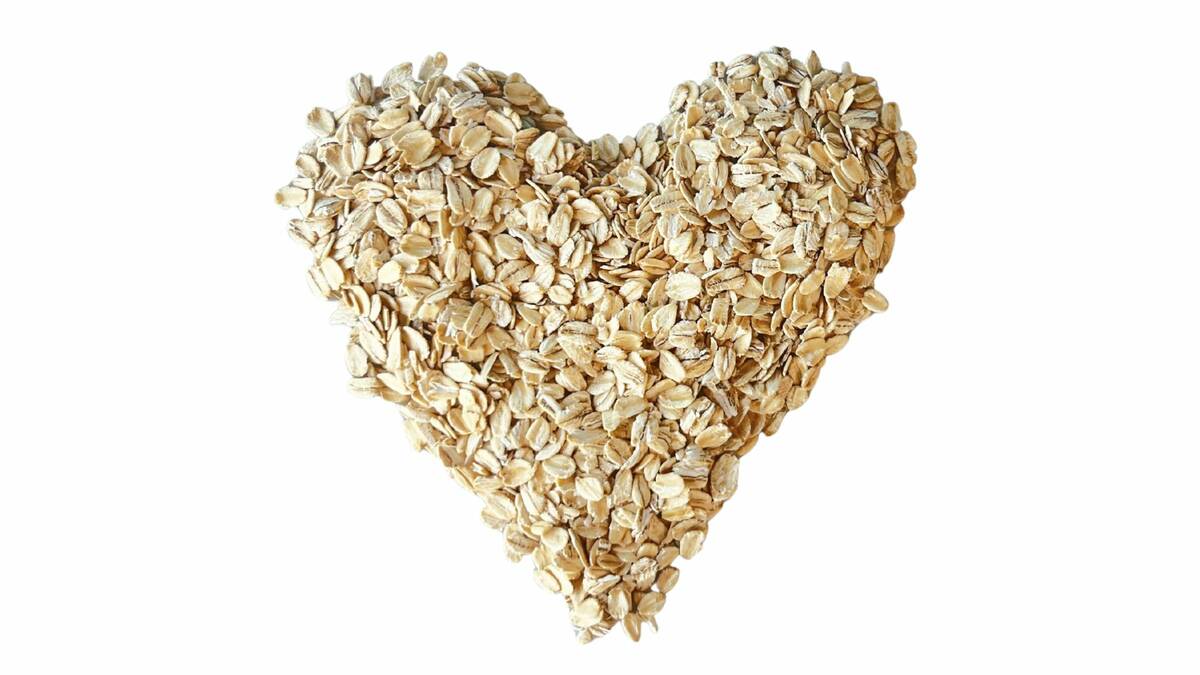
In defence of eating oats
Forget any social media fear mongering about oats — Oats are a healthy, nutritious, Prairie-grown option to add more whole grains to your diet.
Divide the salad choices into cream based and plain. Cream based usually means more calories, fat and cholesterol, so go easy. Go for the plain salads and veggies. If a dip or dressing is offered, take and use sparingly.
Look for healthier grain products but beware. Dark breads and crackers aren’t always the healthier, high-fibre
choices they appear to be. Since it’s hard to choose a high-fibre grain product by its looks, you may want to stick with lower-fat choices, such as pita bread, pretzels and wheat thins. Watch what goes on these grain products, too. Salsa and other vegetable-based toppings are usually good selections.
A handful of nuts, although not low in calories, provides a great source of protein, fibre and heart-healthy fats. Try walnuts, almonds, pecans or peanuts. Keep it to a small handful.
Remember the veggies and
fruit! Most of us don’t meet the goal of five or more fruits and vegetables every day, so here’s your chance to load up. Remember to vary the colours: reds, orange/yellow, greens, whites and blue/purple. The more brilliant the colour, the more cancer-fighting phytochemicals you’ll receive.
– Connie Burns is a health and nutrition educator with University of Minnesota Extension.