A British farmer has culled his herd of “Nazi” cattle from 20 to six because the animals were considered too dangerous to handle.
According to a story in The Guardian, in 2009, Derek Gow imported 13 Heck cattle to his Devon farm for study and as subjects for photography.
Wikipedia says Heck cattle originated in Germany in the 1920s and 1930s in an attempt to breed back domestic cattle to aurochs or wild ox (Bos primigenius primigenius), their ancestral wild form. Two brothers, Heinz and Lutz Heck, independently used a different selection of cattle breeds including Spanish fighting bulls.
Read Also
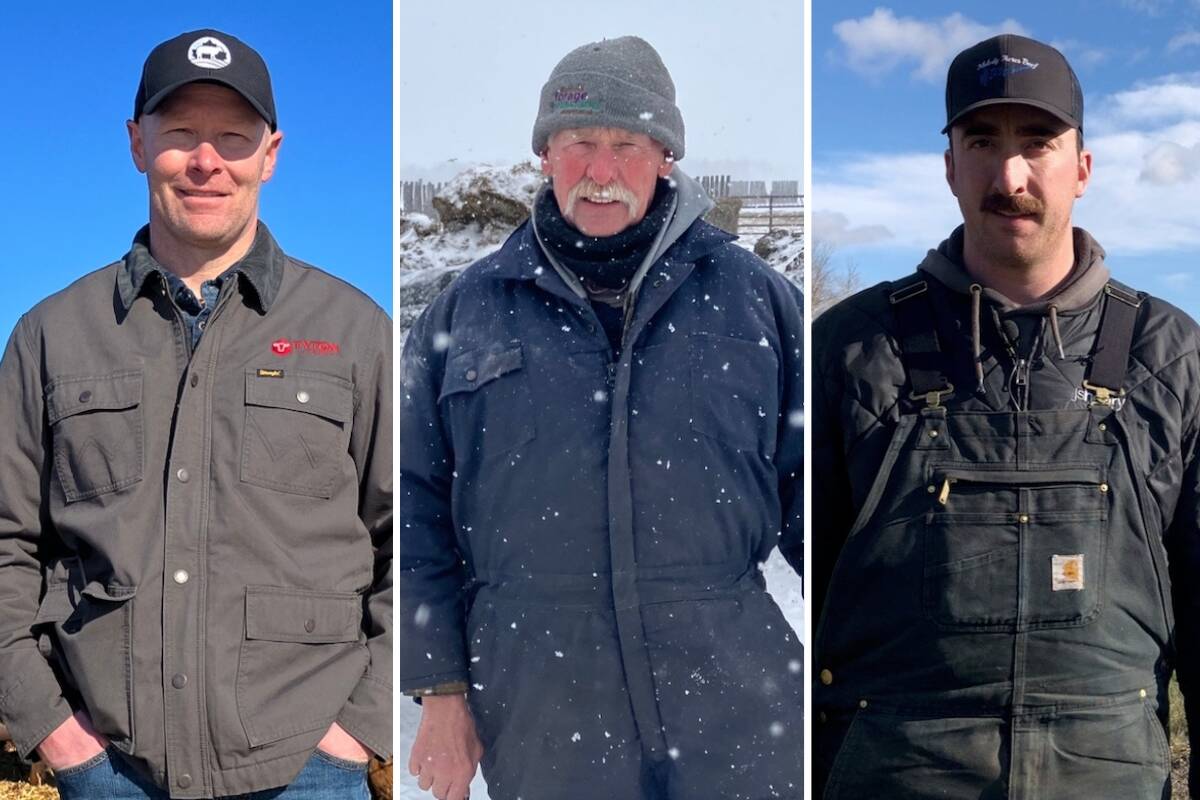
VIDEO: Three Manitoba cattle ranchers on what succession planning really looks like
A 72-year-old breeder, the CCA president and a 27-year-old rancher talk about what it takes to hand down a cattle operation.
Their efforts reportedly captured the attention of some Nazi leaders who dreamed of allowing the animals to roam free so they could once again be hunted.
However, Gow’s beasts became too difficult to handle.
“The ones we had to get rid of would just attack you any chance they could. They would try to kill anyone. Dealing with that was not a lot of fun at all. I have worked with a range of different animals from bison to deer and I have never come across anything like these. They are by far and away the most aggressive animals I have ever worked with,” Gow told The Guardian.
“We made sure no one went near them so there were never any incidents. To get them into the trailer to get them off the farm we used a young and very athletic young man to stand on the ramp and they charged at him before he quickly jumped out of the way.”