The March 12 Manitoba Co-operator features an article in which Richard Holley of the University of Manitoba suggests that there are insufficient regulatory and manufacturing controls in Canada to prevent the widespread inclusion of pathogens in animal feed (“Stop recycling pathogens in animal feed,” March 12, page 27). He is quoted as saying that “there’s no restriction on what goes into livestock feed as long as it doesn’t make animals sick.” This is factually incorrect: Mr. Holley overlooks, or is perhaps unaware of, the fact that both the Health of Animals Regulations and the Feeds Regulations contain various prohibitions and limitations on feed ingredients.
Read Also
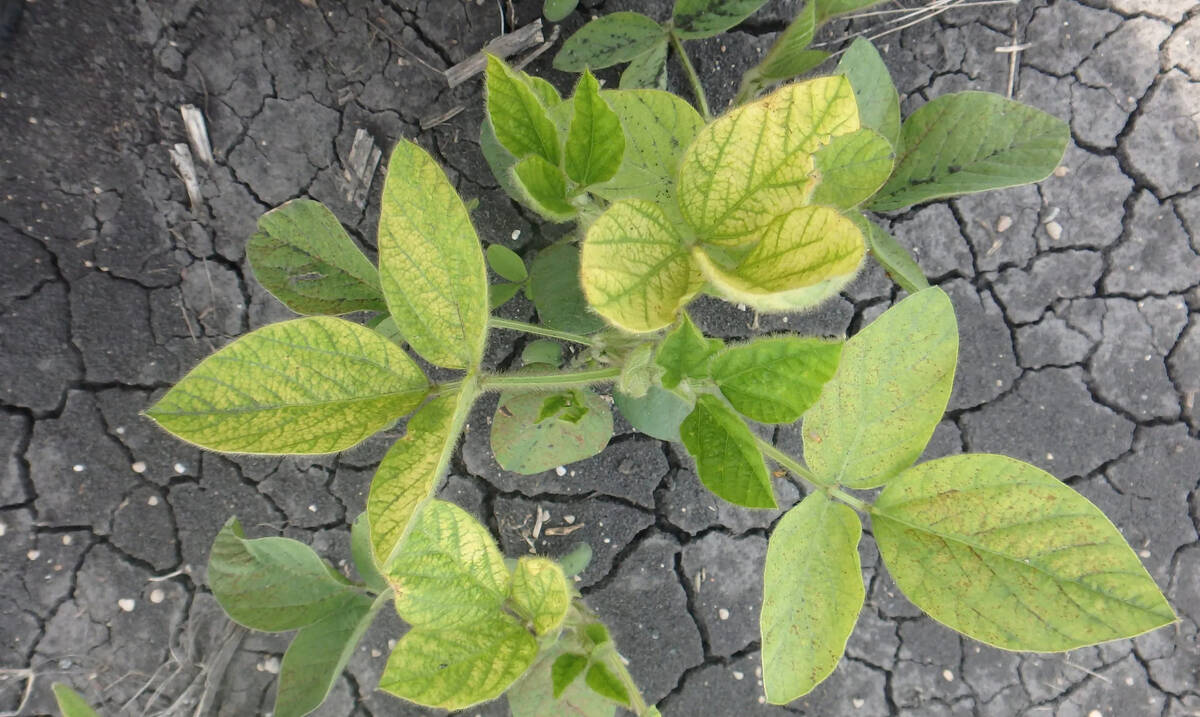
Selecting IDC-tolerant soybeans doesn’t reduce yield, Manitoba study confirms
University of Manitoba research shows soybean varieties selected for iron deficiency chlorosis (IDC) tolerance protect yield in affected areas without reducing performance elsewhere in the field.
More to the point, however, is that the commercial feed industry itself has taken an important step beyond regulatory oversight through the adoption of the FeedAssure program, an HACCP-based system of feed safety controls. This is a program offered by the Animal Nutrition Association of Canada to both members and nonmembers across Canada, and there are now over 170 independently certified manufacturing facilities participating in the program. Safety is a cornerstone of the FeedAssure approach, which incorporates a range of measures to prevent the types of cross-contamination Mr. Holley describes.
There is clearly a role for regulation in the feed-manufacturing sector, but no regulatory system is infallible, nor should it be seen as the solution to all risks. The feed industry must take it upon itself to ensure the highest possible levels of product safety, and that’s exactly what it is doing through adoption of the rigorous standards set by the FeedAssure program.
Graham Cooper Executive director, Animal
Nutrition Association of Canada Ottawa
Please forward letters to Manitoba Co-operator, 1666 Dublin Ave., Winnipeg, R3H 0H1 or Fax: 204-954-1422 or e-mail: [email protected](subject: To the editor)