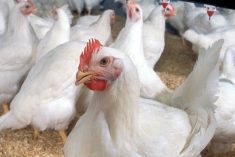
shanghai / reuters / Beijing will introduce tough new laws to punish firms that flout food safety laws, the official Xinhua news agency reported, a significant move in China’s struggle to get its abysmal food safety record under control.
Under the new regulations, to take effect in April, firms caught producing or selling unsafe foods will be banned from operating in Beijing for life. Employees and executives of companies found responsible for food safety problems will not be allowed to work in the industry for five years after their firms’ licences are revoked.
Read Also
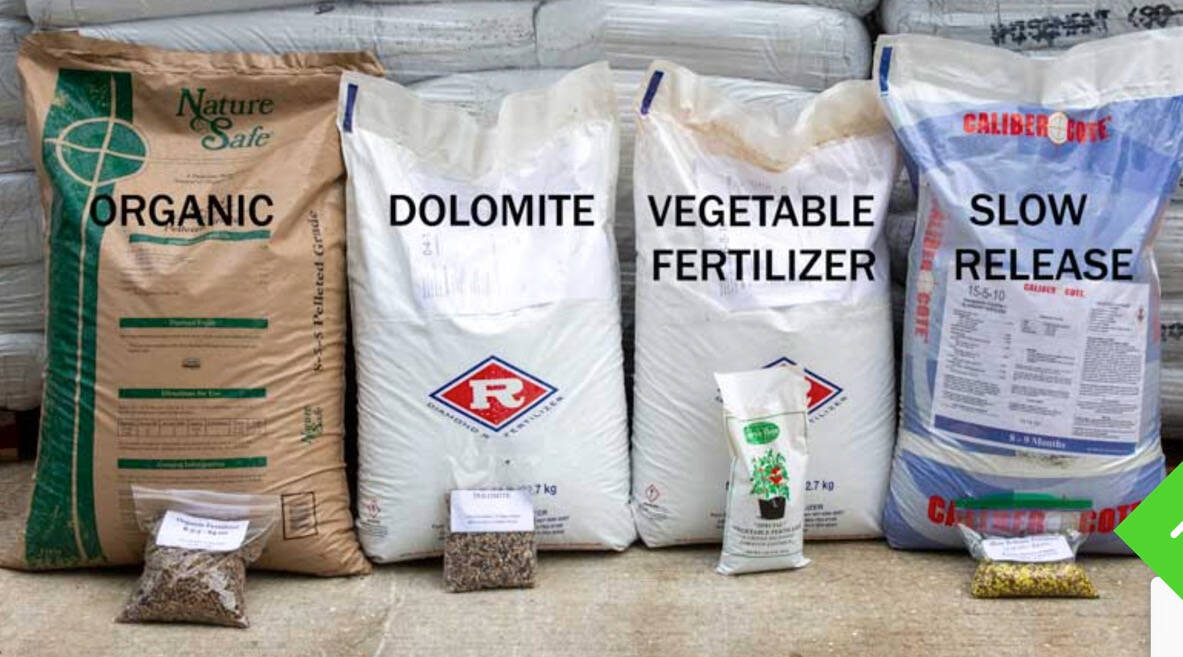
Fertilizer industry optimistic as Ottawa commits to cutting red tape
Federal ministers and bureaucrats are now willing to modify or eliminate unhelpful regulations, including a rule that required complex bilingual labels on fertilizer delivered to Canadian farms. The CFIA extended the bulk fertilizer labelling deadline to July 2027.
China’s food safety problems have proven difficult to eradicate even after repeated government campaigns to enforce standing laws. Frequent media reports refer to cooking oil being recycled from drains, carcinogens in milk, and fake eggs. In 2008, milk laced with the industrial chemical melamine killed at least six children and sickened nearly 300,000.
Russian farmers need 1.5 million tonnes of feed grain
moscow / reuters / Russian farmers will have to buy about 1.5 million tonnes of feed grain to cover the deficit caused by drought this year, according to the country’s Agriculture Ministry.
All regions of the country, excluding the central region, see a deficit of feed grain at the moment, the ministry was quoted by Interfax news agency as saying.
It did not specify if Russia would be able to cover the required amount of feed grain from domestic stocks.