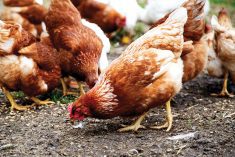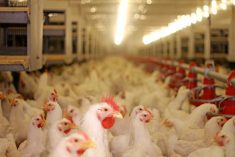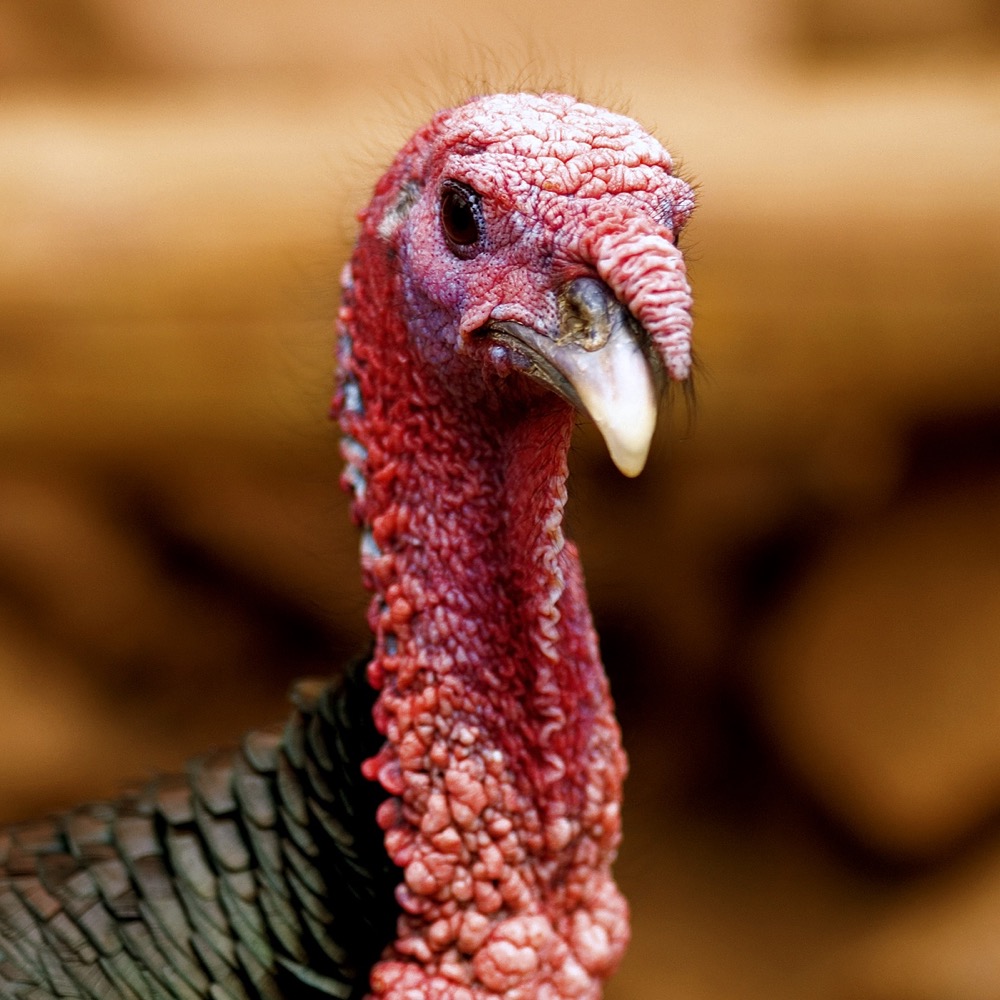
Britons may struggle to get a free-range turkey or goose for the Christmas table this year after an industry head said about half of them had either died or been culled due to the country’s largest-ever outbreak of avian flu.
Richard Griffiths, chief executive of the British Poultry Council, told lawmakers that British farmers usually produce 1.2 to 1.3 million free-range birds for the festive period.
“We have seen around 600,000 of those free-range birds being directly affected,” he said.
Read Also
Indo-Pacific seen as potential organics market
Organic producers who want to export Canadian agrifoods should look to the Indo-Pacific region, an expert on trade in the area says.
Giving evidence to parliament’s Environment, Food and Rural Affairs Committee, Griffiths said total turkey production for Christmas in the U.K. was usually about 8.5 to nine million birds. Of these, just over one million had died or been culled.
He did not know what the impact would be on prices.
“That is really a question for retailers at this point. We do not know how the gaps within retail are going to be filled,” he said.
[RELATED] Comment: Avian flu – let’s talk turkey
The major British supermarket groups have so far been relatively relaxed in their public statements about turkey availability at Christmas.
Market leader Tesco said in October it expected to be able to satisfy demand, while earlier this month Sainsbury’s said it had ordered more turkeys for Christmas this year than last year, giving it a buffer in case the crisis did hinder supply.
Marks & Spencer, which typically sells one in four fresh turkeys consumed in the U.K. at Christmas, said it had strong plans to protect supply.