Frequent storm fronts from the southern U.S. and Mexico have brought common rust to Ontario cornfields relatively early this year compared to the past few seasons, the province said Friday.
The storm fronts and “persistent” showers have been ideal for common rust to spread this year, said Albert Tenuta, a field crop pathologist with Ontario’s agriculture ministry at Ridgetown, in a newsletter on crop pests.
Common rust spores are airborne from down south, unlike northern leaf blight and gray leaf spot, Ontario’s other most economically important corn leaf diseases, which overwinter in the province, Tenuta wrote.
Read Also
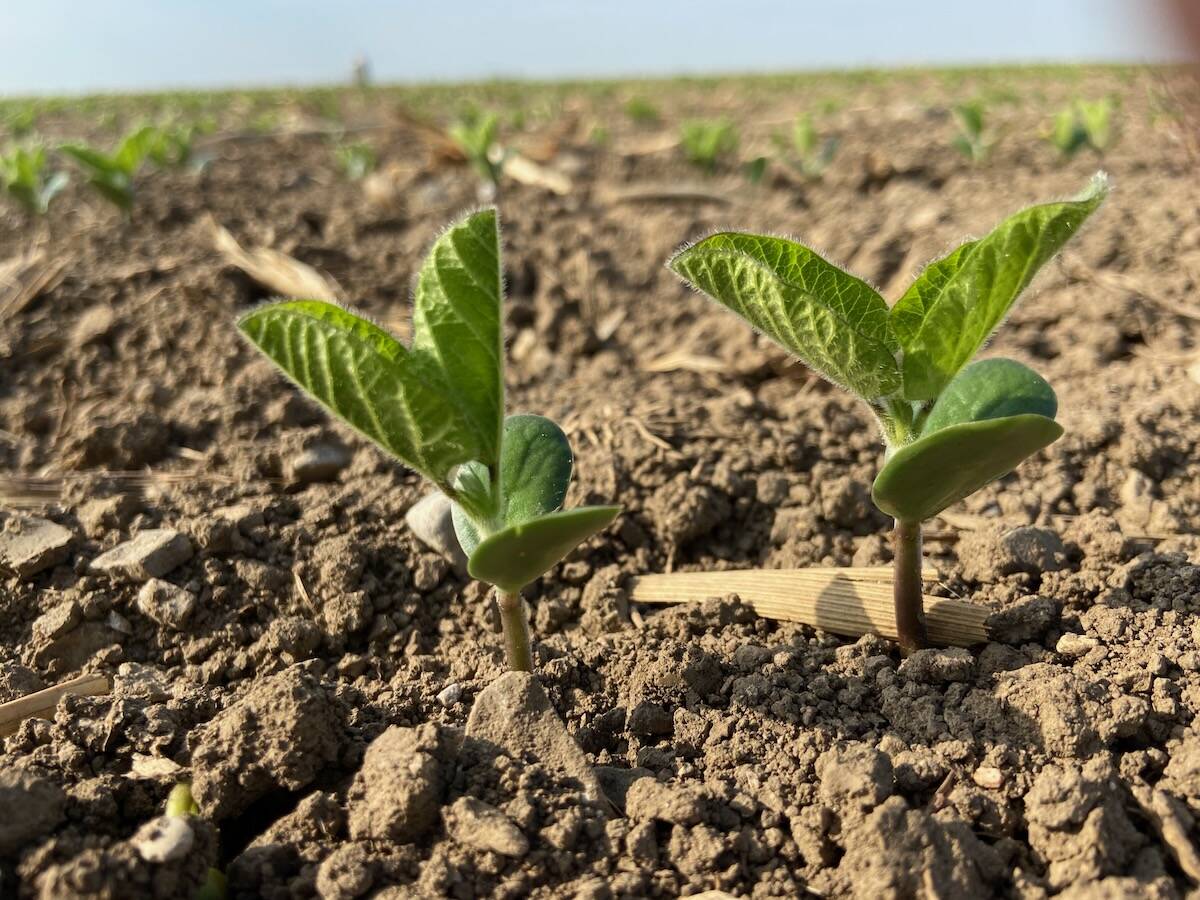
Pulse Weekly: War, weather affecting Manitoba pulse prospects
Manitoba pulses could be affected by the ongoing war in Iran as well as spring weather, said the former executive director of Manitoba Pulse & Soybean Growers.
“Growers need to assess their fields for leaf diseases as we enter the critical tasseling through to silking stage (VT to R1),” Tenuta wrote.
Fungicides’ primary purpose in this case is to protect corn leaves near the ear and above from significant disease, he wrote. In most years a fungicide application isn’t needed for disease control, but farmers who do consider it should keep the following in mind:
- the susceptibility of the hybrid to disease;
- yield potential of the field;
- weather conditions and forecasts;
- the cost, and the application method, of the fungicide; and
- crop growth stage.