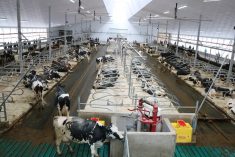
A team of scientists and archeologists has discovered widespread evidence of prehistoric milk production in southern Europe.
The study, a collaboration between the U.K.’s University of York, the University of Bristol, and France’s Centre National de la Recherche Scientifique, uncovered evidence that humans have been utilizing milk and dairy products across the northern Mediterranean region from the onset of agriculture — some 9,000 years ago.
The importance of meat and dairy production in the Neolithic Mediterranean area remains a topic of debate, with previous research showing that the attraction for milk may have been a driving force for the domestication of cud-chewing animals like cows, goats and sheep.
Read Also
MFGA praises federal government’s national soil strategy promise
Ottawa has announced plans to develop a national agricultural soil health strategy, drawing praise from Manitoba farm organizations.
This study combined evidence of the presence of milk and carcass fats in more than 500 pottery vessels together with an examination of the ages at death of domesticated animals excavated from 82 sites dating from the seventh- to fifth-millennia BC.
The findings show varying intensities of dairying and non-dairying activities in the northern Mediterranean region, with the slaughter profiles of the animals mirroring the fats detected in cooking pots.
Cynthianne Spiteri, who conducted the residue analysis as part of her PhD at the University of York’s department of archeology, said: “At the onset of food production in the northern Mediterranean region, milk was an important resource to these early farming communities.”
The research and locations where evidence was found may help explain why human populations exhibit varying degrees of lactose tolerance.