Argentina’s revenue from exports of grain, oilseeds and their derivatives plummeted 61 per cent in January from a year ago, exporters and crushers chamber CIARA-CEC said Feb. 1, in a setback as the country tries to refill foreign currency reserves.
Exports totaled US$928.37 million in the first month of the year, also falling 75 per cent over the previous month, as the world’s largest exporter of soybean oil and meal grapples with a severe drought that has delayed fieldwork and affected grain output.
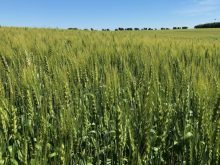
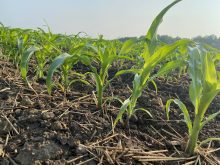
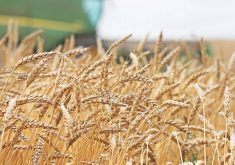
Lack of rainfall in Argentina, also a major supplier of corn and wheat, has delayed planting of the local soybean and corn crops, while cutting wheat output by nearly half. The government has pledged to support some 54,100 farmers affected by drought with tax and credit benefits.
Read Also
What African farmers can teach Manitoba about soil health
Degrading soil and food insecurity in Africa can teach Manitoba farmers some things about the urgency of soil health.
CIARA-CEC added in a statement that the export drop also came after a preferential exchange rate for soy exports expired at the end of December, as the South American nation tried to boost shipments.
Revenue from agricultural exports represents a much-needed dollar inflow for economically battered Argentina, which faces a crisis marked by sky-high inflation and a weakening local currency.